
Al-Samkari discusses a potentially novel use for bevacizumab in improving outcomes for patients with lesions from non-HHT etiologies.
Al-Samkari discusses a potentially novel use for bevacizumab in improving outcomes for patients with lesions from non-HHT etiologies.
Al-Samkari discusses the slew of HHT-related complications, their frequency, and their severity, highlighting the need for more active intervention.
Zorrilla discusses the safety and efficacy of a series of minor surgeries in patients with hemophilia A/B currently taking fitusiran to control AT levels.
Sohail discusses the promising results from this retrospective cohort study which aims to put longstanding concerns about worsening infection to bed.
Malec discusses the XTEND-ed trial, which proved the efficacy and tolerability of efanesoctocog alfa in adults and children with hemophilia A.
Pustake highlights the reticence with which clinicians should approach providing platelet transfusion to patients.
Kuter discusses the efficacy and safety of rilzabrutinib in sustaining platelet responses and symptom improvement over the LUNA3 long-term extension.
Jain describes the phase 3 WIL-33 trial, which marked the first test of pdVWF/FVIII in adolescent patients aged <6 years.
A prediction model ties emergency visits and opioid doses with return visits in children with sickle cell disease pain.
Zackon discusses a retrospective 20-year analysis, which implies an easier-to-achieve hemoglobin target in myelodysplastic syndrome treatment.
Jang discusses the results of an open-label extension highlighting the comparative efficacy of this combination therapy versus standard-of-care ravulizumab.
End-of-study analysis from the HOPE-B trial shows durable endogenous FIX expression, reduced annualized bleeding rates, and a favorable safety profile.
George highlights bezuclastinib’s effect on bone marrow systemic mastocytosis, emphasizing the drug’s potential in reducing symptom burden.
Data from VAYHIT3 presented at ASH 2025 suggest efficacy and safety of ianalumab in patients with primary immune thrombocytopenia.
Morris discusses this latest trial in a long list of phase 3 studies which failed to evaluate arginine therapy’s value in vaso-occlusive pain episodes in SCD.
Al-Samkari discusses the positive results from the VAYHIT2 trial, which investigated ianalumab in combination with eltrombopag in adults with ITP.
Gwarzo discussed the shortcomings faced by many patients with SCD during pain crises, due to less frequent opioid prescription than guidelines recommend.
Announced by Cogent Biosciences, these data indicate bezuclastinib’s capacity for improving patient-reported symptoms of mast cell burden.
Strunk highlights reduced length of stay and superior outpatient pain management due to palliative care in hospitalized patients.
Rusfertide shows promising results as a first-in-class therapy for polycythemia vera, demonstrating sustained hematocrit control and safety in recent studies.
Piatek discussed findings from a healthcare resource utilization study and a sentiment analysis study presented at ASH 2024.

Pipe discussed a symposium at ASH 2024 about practical implementation of gene therapy in the field.
Schultz discussed the SCtalk trial and its findings at ASH 2024.
Zaheer discussed how this research may be used as a model to help study other therapy transitions as well.
Bendapudi gave an overview of 2 studies presented at ASH 2024 from his Harvard lab.
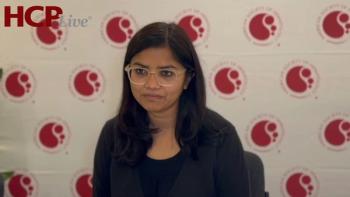
Rani discussed an in-depth study examining quality of sleep and quality of life in children and adolescents with SCD.

Iron deficiency is currently screened at a ferritin threshold of 15 ug/mL, well below an accepted 25 ug/mL threshold.
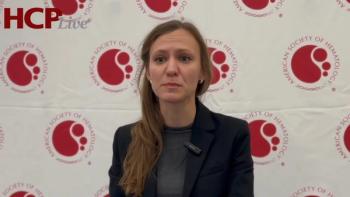
Weisinger discussed findings from the largest cohort of patients with iTTP treated with Obinutuzumab.
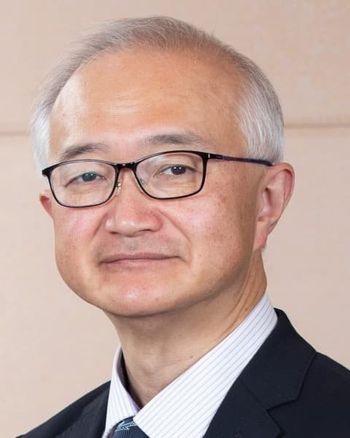
Matsushita discussed findings from the OLE FRONTIER4 study of Mim8.
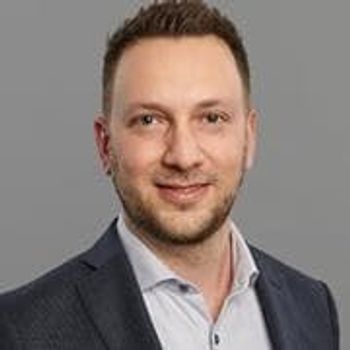
Matino discussed data from the phase 3 BASIS study evaluating the recently approved Hympavzi.