

Samelson-Jones discussed follow-up data of up to 6 years with investigations of fidanacogene elaparvovec.

Samelson-Jones discussed follow-up data of up to 6 years with investigations of fidanacogene elaparvovec.

Bernaudin discussed the Drepagreffe-1 and 2 studies and improvements seen over 10 years of follow-up.

Real-world clinical data from the Adelphi PNH II Disease Specific Programme were reported at ASH 2024.

Danicopan add-on therapy demonstrated more favorable safety in the ALPHA trial than pegcetacoplan did in the PEGASUS trial in a new analysis.

Appiah-Kubi also noted that despite elevated HbF levels, very young children with SCA already had anemia and reticulocytosis.

Pipe discussed findings from the open-label extension of the ATLAS studies at ASH 2024.

Chaturvedi discussed findings from the NeST study at ASH 2024, including an increased risk of stroke in those with silent cerebral infarction progression.

At ASH 2024, Annette von Drygalski, MD, PharmD, described the paradigm shift that has taken place in hemophilia over the past decade.
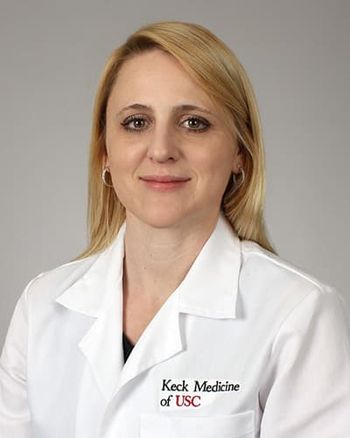
Piatek shared the latest data update from the phase 3 ALPHA study at the ASH 2024.

Frangoul discussed highlights from the latest data update from the CLIMB SCD-121 trial of Casgevy.
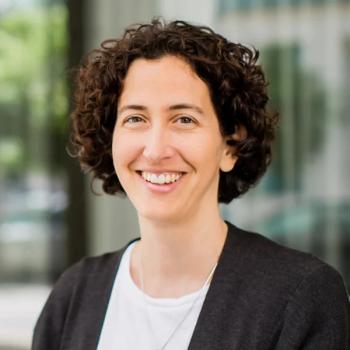
Data from the PINES trial at ASH 2024 suggest eltrombopag could outperform current standard of care for platelet response in newly diagnosed pediatric ITP.

Yale study at ASH 2024 finds screening adult women for iron deficiency with a ferritin threshold of 25 µg/L is cost-effective.

A propensity score-matched study from ASH 2024 suggests GLP-1 RA use reduced VTE risk in type 2 diabetes.

While the therapy was generally well-tolerated, the PIVOT trial failed its primary endpoint of dose-limiting toxicities.

The therapy uses a novel pyruvate kinase activator mechanism and warrants further investigation in an ongoing phase 3 trial.

Notably, participants without platelet responses also experienced improvements in fatigue, which may be due to the monoclonal antibody’s anti-inflammatory action.
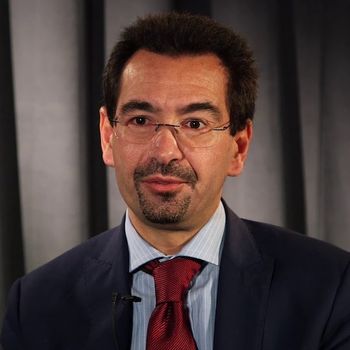
Topline results from APPULSE-PNH show the positive efficacy and safety of twice-daily oral iptacopan in adults with PNH switched from anti-C5 therapies.

Keli Coleman, MD, discusses findings from her research about the role of pain scores and opioids in predicting hospitalization and return visits in children with sickle cell disease and uncomplicated pain crises.
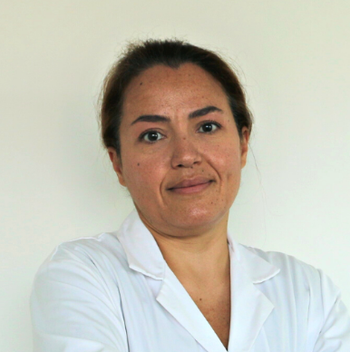
Presented at ASH 2023, a new study demonstrated physical activity does not increase bleeding for patients with hemophilia A as patients with low physical activity still experienced frequent bleeding.

Presented at ASH 2023, findings of a new study showed patients with sickle cell disease and venous thromboembolism have longitudinal worsening of left ventricular diastolic and right-sided cardiac function.

The submissions to both agencies were based upon positive results from the BASIS trial that had been presented at the American Society of Hematology Annual Meeting.
Phase 3 data presented at ASH 2023 show the gene therapy significantly reduced annualized bleeding rates and the number of total bleeds.

Final emergency department pain scores, opioid doses in the emergency department, and receipt of an opioid prescription at discharge predicted hospitalization and return visits.

Presented at ASH 2023, opioid use disorder in sickle cell disease patients with vaso-occlusive is associated with a longer hospital stay and greater cost.
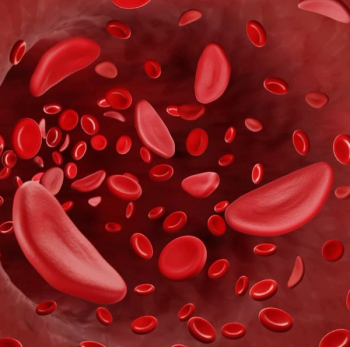
A higher prevalence of STI diagnosis is observed in adolescents and young adults with sickle cell disease compared with controls.

Findings of a new study suggest COVID-19 does not serve as risk factor for the development of VTE in pediatric cancer patients.

Results showed treatment with iptacopan through 48 weeks caused hemoglobin-level increases, blood transfusion avoidance, and reductions in patient-reported fatigue.

Although more than half of female patients with sickle cell disease reported sickle cell pain associated with their menstrual cycles, only 12.5% had used ≥1 hormonal therapies within the past 3 months.
Study results presented at the 2023 American Society of Hematology Annual Meeting and Exposition found equal immune tolerance induction success rates regardless of race/ethnicity.

The revised algorithm demonstrates 97% sensitivity in identifying pregnant patients with inherited bleeding disorders.