

New research presented at ASH 2022 and conducted following a Hemophilia-Related Distress Questionnaire indicated racial disparities between White and Black patients.
New research presented at ASH 2022 and conducted following a Hemophilia-Related Distress Questionnaire indicated racial disparities between White and Black patients.

Spleen size can vary significantly in pediatric patients with sickle cell anemia.
In her mitochondrial work, Dr. Claudia Morris made a novel discovery that wasn't discussed in her presentation at the ASH 2022 Annual Meeting.
The results show the mean change from baseline in PKDD was ‒7.19 for M/M patients, ‒4.58 for P/M patients, and ‒3.94 for mitapivat patients.
"Acute myeloid leukemia (AML) remains the most deadly disease among adults, with a five year overall survival of less than 30%," lead investigator Dr. Molly Tokaz says in an interview.

The results for emotional functioning, social functioning, and nausea and vomiting numerically favored D-Rd at several time points.

New research presented at ASH 2022 showed survival rate improvements for APL patients through a simplified treatment algorithm designed by the trial investigators.

The accurate prediction of EF trajectory phenotypes may determine personalization of prognosis and treatment in a pediatric population with acute myeloid leukemia.

New research assessed whether the T117S gene variant could be useful as a marker for predicting sickle cell disease patients' might responses to hydroxyurea treatment.

Researchers from Germany suggest the utility of platelet and absolute neutrophil counts may be misplaced in current standards for pediatric remission.
Every patient in the study was VOC-free at the time of the data cut.
A whole genomic sequencing study shows what may be influencing risk of quadruple-agent regimen response in patients receiving daratumumab.
Research into ovarian follicular density in younger female sickle cell disease patients finds no effect from exposure to hydroxyurea.

Compared with infants kept on a standard dose of hydroxyurea, those receiving escalating doses showed greater increases in HbF and HB without significant toxicity.
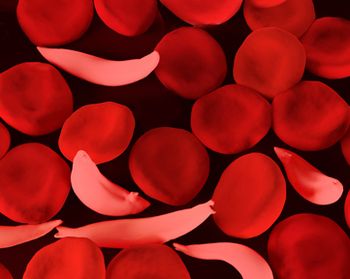
A study in the Dominican Republic assessed the use of dose escalation of hydroxyurea for children in a single hospital with sickle cell anemia.

Research presented at ASH 2022 examined the ages of onset of ASSC in younger sickle cell disease patients treated with hydroxyurea.

The SPHRE trial in Tanzania show significant benefit for children at high stroke risk in sub-Saharan Africa.

Updated findings from the ongoing clinical trial investigating lovo-cel in sickle cell disease and persistent anemia allude to the possibility that a contributing factor of anemia was identified.
An in vitro assessment showed the promising molecule class should be advanced toward prospective clinical trials.

The observed heterogeneity between BP-CMML cases suggested distinct clinicopathological phenotypes and the investigators integrated clinical metadata with blast immunophenotype with 59 independent features.
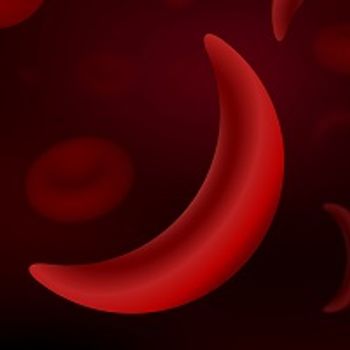
A total of 55 metabolites were significantly different between samples from patients with SCD at baseline and healthy control samples.

According to data presented at the ASH 2022 Annual Meeting, this is the first suggestion of a hydroxyurea-related impact on mito activity in patients with sickle cell disease.
Fuad El Rassi talks about the Grady Comprehensive Sickle Cell center, the COVID-19 vaccine, and the data he presented at ASH.

The enrollment distribution was consistent by ethnicity over the course of 18 years, with no change in diversity over time despite there being an increase in the UK in the minority population.
Of the SCD patients who contracted COVID-19, 49% of them visited the Grady Comprehensive Sickle Cell center because of a vaso-occlusive event.
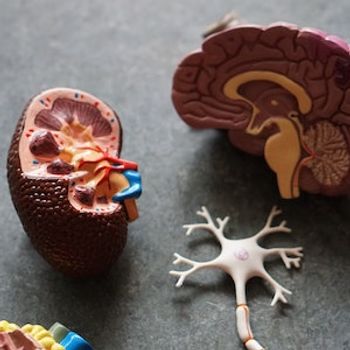
Data show patients with sickle cell disease identified by distinct cognitive profile should have neurorehabilitation tailored to each unique profile.
After 2 months of voxelotor treatment, all patients with sickle cell anemia perceived global improvement, but peak VO2 did not change in 8 of 9 patients.
Data show most patients (60.3%) with sickle cell disease achieved a Hb increase of >1 g/dL during the follow-up period.

Patients with SCD were not at an increased risk of death or disease complications.

High dose vitamin D supplementation has been linked to fewer pain days and higher physical activity scores for patients with chronic pain.