

More than 60% of patients with psoriasis achieved PASI 100 at week 16 with bimekizumab and maintained skin clearance up to 4 Years.
More than 60% of patients with psoriasis achieved PASI 100 at week 16 with bimekizumab and maintained skin clearance up to 4 Years.
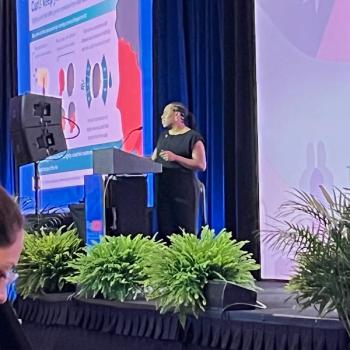
The topics of different hair textures and the management of alopecia in patients with skin of color were highlighted by Ginette Okoye, MD, at SDPA 2025.


Orit Markowitz, MD, highlighted takeaways from her SDPA presentation on the recognition of benign patterns in dermoscopy.

A recent post hoc analysis of 2 pivotal phase 3 trials has determined the efficacy of acoltremon .003% in reducing ocular surface damage in dry eye disease.

From uncovering new benefits of semaglutide to targeting hypercortisolism in people with type 2 diabetes, here are 5 key updates from the annual meeting.

Nearchou discusses the implications for early detection of specific learning disabilities and the potential for early intervention to provide equal access to education.

This interview at SDPA features Janelle Ball, founder and CEO of BC Educators, who discusses tips related to success with insurance authorizations.

Amlitelimab shows promise as a safe and effective treatment for moderate-to-severe atopic dermatitis, with sustained benefits post-treatment.

This interview segment at the 2025 SDPA Conference highlights additional insights by Friedman on the management and diagnosis of chronic hand eczema, or CHE.

Based on recent data, artificial intelligence can improve patients’ awareness of their condition, as well as confidence in, and satisfaction with, their care.
In an interview conducted at the 2025 SDPA Conference, Friedman provided several insights into management and diagnosis of chronic hand eczema, or CHE.

At SDPA 2025, Candrice Heath, MD, said many clinicians remain unaware of baby perfume traditions that may contribute to persistent symptoms in patients of color.

Research has indicated a substantial increase in axial length, a contributing factor of myopia, in young adults who report regular mobile device usage.
At SDPA 2025, Candrice Heath, MD, presented on what you can do in your clinic to bridge the gap in pediatric atopic dermatitis among children with darker skin tones.
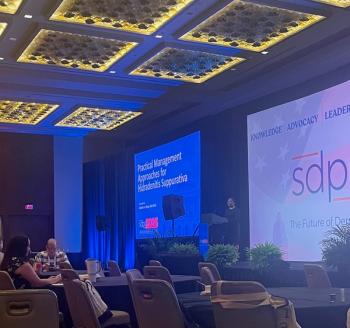
This session with Ginette Okoye, MD, features a discussion about hidradenitis suppurativa (HS) and several helpful approaches for patients.

Verma discussed how recent advances in the field affect clinician management of type 2 diabetes and peripheral artery disease.

Despite its availability as an over-the-counter medication, BTOS is frequently prescribed by clinicians for the treatment of ocular redness due to minor eye irritations.
Verma discussed how new data from the STRIDE trial support the role of GLP-1 RAs as protective vascular medications.

Donovan and Feig shared exciting findings and further research from a study evaluating an insulin pump with Control-IQ technology with Dexcom G6 sensor.

This interim report of an ongoing study has indicated an overall positive impression of the INFUSE for Astigmatism contact lens among a 100-patient population.

Check out the top 5 interviews from SLEEP 2025.

A survey study has indicated a substantially positive perspective on UMFfA contact lenses, including reports on well-maintained vision, comfort, and ease of fitting.

From new data for potential IgAN treatments to the use of combination initiation therapy for type 2 diabetes and CKD, here are 5 key updates from the annual meeting.

The combination was significantly more efficacious than either therapy alone on both body composition and physical activity; safety events were similar across study arms and consistent with known profiles.

In this report, Chovatiya highlights lebrikizumab’s evolving role in long-term atopic dermatitis management.
The report highlights lebrikizumab’s potential for sustained disease modification and its evolving role in long-term atopic dermatitis management.

Sleep Number studies presented at SLEEP 2025 show that heating and cooling patterns improve sleep quality, especially for women experiencing menopause.
This recap highlights data on stem cell-derived therapies for type 1 diabetes, cortisol-modulating strategies for hard-to-treat type 2 diabetes, and a novel once-weekly insulin alternative that matches daily injections in efficacy.

Read the latest pivotal data on once-monthly injectables, oral GLP-1 agonists, and novel co-agonist therapies from ADA.