
An analysis of data from the LIBERTY AD trial presented at RAD 2024 details the risk of infections observed with dupilumab use with up to 5 years of follow-up.
An analysis of data from the LIBERTY AD trial presented at RAD 2024 details the risk of infections observed with dupilumab use with up to 5 years of follow-up.

This RAD 2024 interview featured a discussion of currently FDA-approved atopic dermatitis therapies and their comparisons.

This segment of Paller’s RAD 2024 interview covers tips for treating children with biologics as well as unmet needs of eczema patients and upcoming treatments.
An analysis of data from the NIH's All of Us program details the prevalence of fatigue among patients with pruritus among US patients.

The global, real-world TRACE study was designed to improve the understanding of tralokinumab’s safety, efficacy, and clinical utilization in daily practice for eczema.
In her RAD conference interview, Paller describes several treatments featured in her talk on the subject of pediatric eczema.

A real-world analysis of 60 patients suggests traolkinumab was effective in atopic dermatitis, regardless of prior therapy use.
This interview with Silverberg featured a discussion of new data on systemic therapies for various dermatologic conditions.
Lisa Swanson, MD, discusses the recent advancements in pediatric dermatology and emphasizes the importance of correctly diagnosing conditions to improve patient outcomes.

At Heart in Diabetes, full results of the GRACE trial detailed the benefits of relacorilant use from both parts of the 2-part, phase 3 trial.
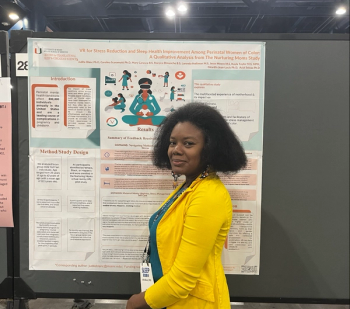
During SLEEP 2024, Judite Blanc, PhD, discussed her team’s ongoing study assessing whether an education VR program improves maternal stress and sleep among women of color.
At SLEEP 2024, Broussard told HCPLive about how eating time restriction can serve as another as another dietary tool for people who are unsuccessful with other strategies.
Broussard discussed the importance of eating during the day at SLEEP 2024.
In an interview at SLEEP 2024, Brager talked about the benefits of exercise on cardiovascular health and sleep.

Parthasarathy discussed next steps for research on the relationship between sleep disturbances and immunity in an interview with HCPLive at SLEEP 2024.
Parthasarathy told HCPLive women have a weaker immune response to COVID-19 than men.
In an interview with HCPLive, Parthasarathy discussed the relationship between sleep disturbances and immune function.

In an interview with HCPLive, DelRosso spoke about the 1-year plans of the "Count on Sleep" OSA project.

At SLEEP 2024, Revana told HCPLive her thoughts on the potential of pitolisant to address excessive daytime sleepiness in Prader-Willi syndrome compared to treating narcolepsy.

Sands reviews key findings from the phase 3 VIVID-1 study of mirikizumab in Crohn’s disease presented at DDW.
Analysis of the OASIS trial shows, on average, women post-menopause with vasomotor symptoms experience at least moderate rates of sleep disturbance.

A cohort analysis suggests upper airway collapsibility prevalence may correlate closely to race in patients with OSA.

New study data show patients with OSA may use a fixed CPAP device for a longer daily duration than those with an automatic option.

Presented at SLEEP 2024 as a late-breaker, a study found a positive relationship exists between suicide severity on any day and next-day suicide severity.
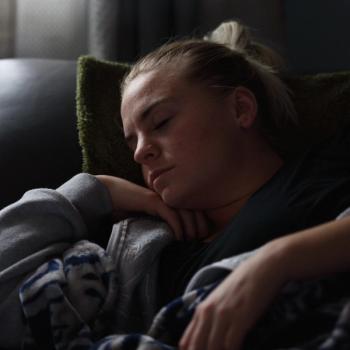
New data presented at SLEEP 2024 show sleep disorders including insomnia are only linked to worse quality of life when veterans do not also have PTSD.

A study presented at SLEEP 2024 found medicinal cannabis shows promise for improving sleep onset latency, quality, and duration in children with ASD.

New analysis from SURMOUNT-1 support the use of GLP-1/GIP agonist tirzepatide to reduce weight in patients with OSA and obesity/overweight.
A study presented at SLEEP 2024 found melatonin increased sleep latency and overall sleep quality and decreased awakenings.

A late-breaking abstract from SLEEP 2024 shows the effect of mandibular devices on respiratory effort, and its overall impact on OSA.

An alternative device to CPAP shows clinical benefit and long-term patient adherence in new SLEEP 2024 trial data.