

Davida Kruger, NP, joins the podcast to discuss updates in automated insulin delivery and continuous glucose monitoring systems from ADA 2024.
Davida Kruger, NP, joins the podcast to discuss updates in automated insulin delivery and continuous glucose monitoring systems from ADA 2024.

Data on outcomes stratified according to baseline use of SGLT2 inhibitors from the FLOW trial were presented at ADA 2024.

At 8 months follow-up, 86.0% of patients with rheumatoid arthritis were in remission and 94.2% exhibited low disease activity.

Ralph DeFronzo, MD, discusses the results of the first phase of the CATALYST trial and how results should influence the care of patients with difficult-to-treat type 2 diabetes.

The CATALYST trial sheds light on the true prevalence of hypercortisolism among difficult-to-control type 2 diabetes, with data at ADA 2024 shedding light on adrenal abnormalities and presence among subgroups.

Study results highlight the impact of continuous glucose monitoring on glucose control and HbA1c improvements in patients with type 2 diabetes, regardless of treatment regimen.
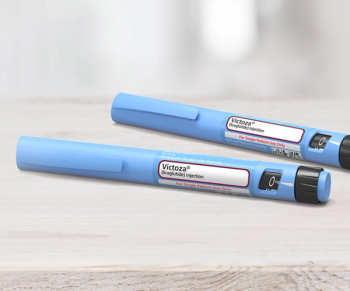
Teva Pharmaceuticals’ launch of an authorized generic of liraglutide injection 1.8 mg (Victoza) for type 2 diabetes makes it the first-ever generic GLP-1.

Anastasia Albanese-O'Neill, PhD, APRN, joins Diabetes Dialogue to discuss newly released consensus guidance on monitoring of early-stage type 1 diabetes spearheaded by Breakthrough T1D.

MOMENTUM trial data shows pemvidutide reduced body weight by 15.6%, with 78.1% fat loss, highlighting the GLP-1/Glucagon receptor agonist's ability to achieve significant weight reduction and minimal muscle loss.

In this episode, hosts are joined by Grazia Aleppo, MD, for a discussion on the use of inhaled insulin following the INHALE-3 trial and relevant updates in diabetes technology at ADA 2024.

An analysis of over 2.5 million patients with type 2 diabetes shows newer GLP-1 RAs are linked to lower HbA1c levels.

Halis Akturk, MD, offers an overview of the growing prevalence and dangers associated with cannabis use among patients with type 1 diabetes.

Use of LX9211 showed significant benefits for diabetic peripheral neuropathic pain in the phase 2 RELIEF-DPN 1 trial.

Details of an analysis from ADA 2024 compared matched cohorts from SURMOUNT-1 and SURMOUNT-2 to determine drivers of differences in weight loss from the trials.

Omnipod 5 improved HbA1c from 8.2% to 7.4% in 13 weeks among adults with type 2 diabetes in the SECURE-T2D trial, with a nearly 5-hour increase in time in range per day.

ADA study highlights disparities in CGM access for children with type 1 diabetes, showing delays for publicly insured and minority children.

New data from INHALE-3 at ADA 84th Scientific Sessions show inhaled insulin (Afrezza) is safe, effective for type 1 diabetes, improving glycemic control and HbA1c goals.

Participants assigned to a 4-day energy balance diet plus oral bisphenol A administration at 50 μg/kg body weight experienced significant decreases in peripheral insulin sensitivity.
In retrospective, observational research at ADA 2024, real-world weight loss was linked to a reduction in the risk of obesity-related cancers.

Atul Malhotra, MD, discusses the results of the SURMOUNT-OSA trial and how they inform clinicians on the role of tirzepatide in OSA and obesity.

New phase 1/2 data suggest VX-880 islet cell therapy may restore physiological islet function and glycemic control in patients with T1D, potentially eliminating the need for insulin use.
Tirzepatide reduces OSA severity by 30 events/hour and achieves remission in up to 51% of patients with obesity, per SURMOUNT-OSA study results from Eli Lilly and Company.

A first-time trial presented at ADA 2024 found the common cholesterol-lowering drug halts vision loss in patients with diabetic eye disease.

These data, presented at RAD 2024, highlight the potential of delgocitinib cream for patients with chronic hand eczema in terms of patient and clinician reported outcomes.

Patients in the spesolimab cohort demonstrated rapid improvements in DLQI scores compared with placebo, which were maintained through week 48.
These data highlighted which drug, in combination with topical corticosteroids, produced the best efficacy results for those with atopic dermatitis.

Matthew Zirwas, MD, reviews the clinical discrepancies of certain JAK-targeting therapies and their role in dermatology patient outcomes.
Matthew Zirwas, MD, discusses the prospect of pairing JAK inhibitors like ruxolitinib cream with other disease-targeting options for conditions including vitiligo and alopecia areata.

These data, presented at RAD 2024, highlight the potential benefits of upadacitinib for adults and adolescents observed in the Measure Up 1 and Measure Up 2 studies.

Responses were highly durable throughout 4 years of bimekizumab treatment.