

The DELTA trial results on delgocitinib cream as a topical option for CHE were presented at the EADV Congress 2024.
The DELTA trial results on delgocitinib cream as a topical option for CHE were presented at the EADV Congress 2024.

Temtokibart showed similar efficacy to dupilumab in treating moderate-to-severe atopic dermatitis, with faster skin hydration improvements in a phase 2a trial.

These new data on treatment of atopic dermatitis and prurigo nodularis were presented by Galderma at the European Academy of Dermatology & Venereology Congress.

These new findings were released by Arcutis Biotherapeutics and presented at the European Academy of Dermatology & Venereology Congress.

A Q&A with Nihar Desai, MD, on the PROMPT-Lipid trial and the potential of advancing technology for improving patient care in pragmatic ways.

Benjamin Scirica, MD, discusses the importance of team-based care and leveraging technology to optimize the management of cardiovascular risk factors.

Adding semaglutide to standard hidradenitis suppurative therapies achieved improvements in quality of life and fewer disease-related flares.

The ESS device, leveraging artificial intelligence, may allow for enhanced decision making among nurse practitioners as well as physician assistants evaluating patients for skin cancer.
Nihar Desai, MD, discusses the results of the PROMPT-Lipid trial while on-site at the 2024 Family Heart Global Summit.
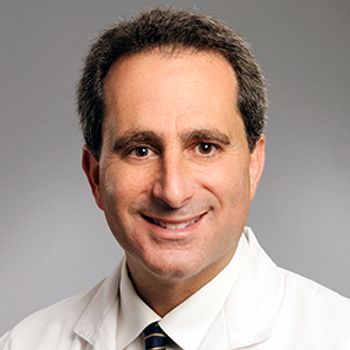
Laurence Sperling, MD, discusses his presentation from the 2024 Family Heart Global Summit examining public health efforts for prevention of cardiovascular disease.

These data from the DISCREET study highlight the impact of apremilast on men and women with genital psoriasis.

A handheld tool improved skin cancer detection in primary care, increasing diagnostic sensitivity to 96.3% compared to 83.9% without the device.

Del Rosso reviews several key highlights from his Maui Derm presentation on acne and rosacea updates from 2024.

This conference talk was titled Acute & Chronic Spontaneous Urticaria: Diagnostic and Therapeutic Strategies and presented a challenging case series to attendees.
Del Rosso highlights points from his conference talk on benzoyl peroxide (BPO) use among patients with acne and other updates.

This segment of her interview featured a conversation about the biggest takeaways and notable case series presented in Culton’s talk at Maui Derm NP+PA Fall.
This interview with Culton featured a discussion of key challenges faced when treating patients with blistering diseases such as pemphigus and bullous pemphigoid.
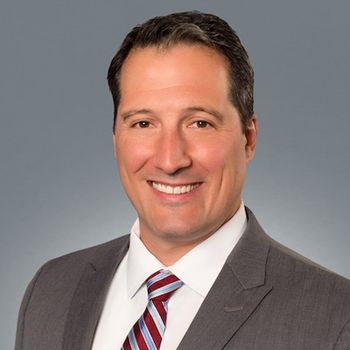
In this segment of his interview, Zirwas highlighted the use of JAK inhibitors such as upadacitinib, discussed safety, and touched on topical options for patients with eczema.

Shapiro spoke in his Maui Derm NP+PA Fall conference interview about differentiating between types of alopecia areata and about the potential use of JAK inhibitors.

In her Maui Derm NP+PA Fall interview, Harper highlighted treatment approaches and unmet needs of patients with acne.
After his review on recent literature, Zirwas’s Maui Derm NP+PA Fall interview featured a discussion about the biggest unmet needs among patients.

At Maui Derm NP+PA Fall 2024, bimekizumab data demonstrates a consistent safety profile in moderate to severe plaque psoriasis over 4 years, with decreasing event rates over time.
This interview featured a literature review discussion about non-FDA approved advancements in dermatology, including oral roflumilast for psoriasis, metformin for acne, and minoxidil for nails.

Moser reviews ongoing unmet needs in PBC and how the addition of 2 new second-line treatment options has changed the treatment landscape.

In this interview segment, Chovatiya highlights HS therapies such as IL-17 inhibitors and JAK inhibitors, as well as unmet needs of patients.
This interview with Chovatiya highlights promising therapies in the dermatology space for the treatment of patients with the skin condition HS.
Mathew emphasizes the importance of routine liver cancer screening in patients with advanced liver disease and the need to overcome insurance barriers for HCC panel testing.
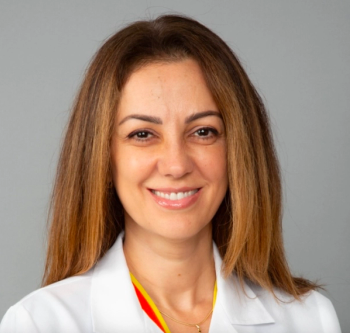
Iordache emphasizes the importance of a multidisciplinary approach to liver disease care in pregnant patients and the need for patient education.

In this Maui Derm fall conference session, Callender highlights approaches to pigmentation issues such as vitiligo, melasma, and other disorders.

Counting down the most impactful news at major medical meetings, it’s the HCPLive Five! This episode focuses on 5 key updates from the European Society of Cardiology (ESC) Congress 2024.