
This interview following Fall Clinical highlights new phase 3 data on patient-reported outcomes from the ARRECTOR study evaluating roflumilast foam for psoriasis.
This interview following Fall Clinical highlights new phase 3 data on patient-reported outcomes from the ARRECTOR study evaluating roflumilast foam for psoriasis.
This conference review highlights several of the most notable stories and recent data covered by HCPLive at the Fall Clinical Dermatology Conference.

Mice models had improved disease phenotype and high transduction of PS-002 gene therapy.
This interview from Fall Clinical featured a discussion of new findings on upadacitinib (Rinvoq) for patients with atopic dermatitis.

Yee discussed research she is conducting into gFSGS and nephrotic syndrome, presented at ASN Kidney Week.

These data suggest brodalumab’s safety profile is consistent with findings from long-term clinical trials, with no new occurrences of suicide and a low rate of fungal infection.
Abdellatif discussed the high prevalence of gout in patients with chronic kidney disease and the importance of screening and early treatment.

Popov reviews findings from her late-breaking presentation at ACG 2024 suggesting GLP-1 RAs may not need to be held prior to upper endoscopy.

Rao explains the comparative effectiveness of biofeedback and dextranomer injections for treating fecal incontinence.

In this segment, Barratt reflects on recent updates in the management of IgA nephropathy, with a focus on updates related to atrasentan.
In this segment, Barratt reflects on recent updates in the management of IgA nephropathy, with a focus on felzartamab.
In this segment, Barratt reflects on recent updates in the management of IgA nephropathy, particularly data on long-term use of Nefecon.
In this segment, Barratt reflects on recent updates from the SPARTAN trial examining use of sparsentan as a first-line therapy in IgAN.
In this segment, Barratt reflects on recent updates in the management of IgA nephropathy.

Zand discussed the unmet need for refractory primary FSGS and the importance of investigations specifically in this population.

This interview at the Fall Clinical Dermatology Conference features a discussion with Stein Gold regarding the open-label extension of the phase 3 ADORING trial regarding tapinarof.

Iyer reviews findings from subgroup analyses of the phase 3 STARS study of apraglutide for SBS-IF based on demographics and disease characteristics.

Many with moderate-to-severe atopic dermatitis do not reach treatment targets in 12 months, underscoring a need for proactive management strategies.

Dellon reviews phase 3 data supporting the 48-week safety and efficacy of cendakimab for treating EoE.

Complete, 24-month data from the IGNAZ study were presented at the ASN Kidney Week 2024 Meeting.
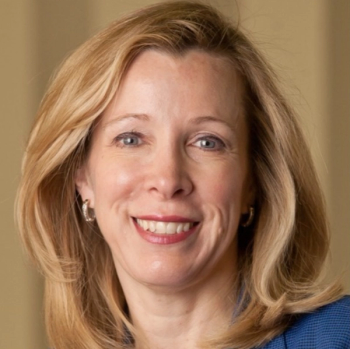
Mayo explains elafibranor’s benefit for patients with advanced-stage primary biliary cholangitis based on findings from a new ELATIVE analysis.
Iyer describes differences between short bowel syndrome and intestinal failure and explains the value of GLP-2 analogs like apraglutide for treatment.

Stein Gold speaks in this interview about the new lebrikizumab (Ebglyss) data presented at the Fall Clinical Dermatology Conference.
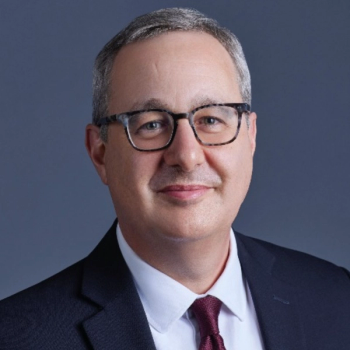
Sands reviews long-term phase 3 data from the LUCENT-3 and VIVID-2 extension studies of mirikizumab in UC and CD presented at ACG 2024.
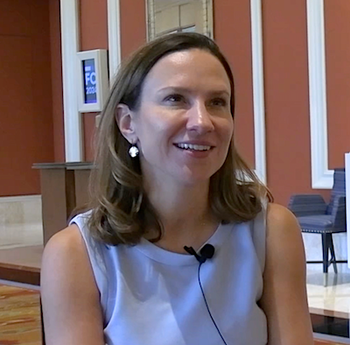
Murina highlighted takeaways from her seminar-in-depth regarding the evolving therapeutic landscape of HS.

At AAO 2024, Quan Dong Nguyen, MD, and Jia-Horung Hung, MD, discuss the Phase 2 Neptune trial investigating brepocitinib for active non-infectious uveitis.

Axelrad reviews preliminary findings from a study assessing the utility of a new monitoring technology for improving IBD medication adherence and outcomes.

This discussion with Murina covers several tips for dermatologists to implement, 1 of which touched on omega-3 supplementation for ocular rosacea.
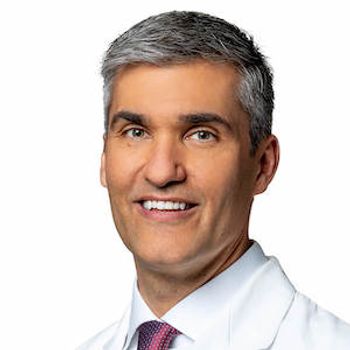
At AAO 2024, Wykoff discussed first-time extended results from AMARONE showing Restoret’s effectiveness in improving outcomes for patients with DME and nAMD.
In her Fall Clinical interview, Murina highlighted several key takeaways related to her talk titled ‘Managing Psoriasis with Oral Therapy: 2024 & Beyond.’