

Data from ACG 2024 show only 1 in 12 patients eligible for second-line PBC therapy are actually doing receiving it—and it may take up to a year to initiate.
Data from ACG 2024 show only 1 in 12 patients eligible for second-line PBC therapy are actually doing receiving it—and it may take up to a year to initiate.
Jacqueline Khalil, DO, reviews findings from 2 studies about the association between hormone replacement therapy with IBS and gastric motility disorders.
ChatGPT may provide helpful information around gastroparesis, IBS and celiac disease diets, according to findings from a new study.

Braden Kuo, MD, explains how GLP-1 RA use increases residual gastric content but does not significantly impact negative endoscopy outcomes.

This interview from Fall Clinical covers 2 additional tips for clinical practice as well as unmet needs among patients.

Lacy explains the potential value of an ambulatory wireless patch test for identifying unique gastric activity patterns and individualizing patient care.

At AAO 2024, Kay presented an overview of gildeuretinol, an oral vitamin A derivative offering hope for patients with Stargardt disease.

Fass reviews findings from a post hoc analysis of a phase 2 trial suggesting the value of vonoprazan as an on-demand NERD treatment.

In this interview at Fall Clinical Dermatology, Ferris and Bhatia highlighted several elements of skin cancer detection and management as well as unmet needs of patients.
Carla Nester, MD, discusses her perspective on the APPEAR-C3G 12-month data from ASN Kidney Week 2024.

The APPEAR-C3G trial’s 12-month data show Novartis’ iptacopan significantly reduced proteinuria in C3G, with sustained renal improvements and stable eGFR.

Njei points to the need for improved lean MASLD screening, citing findings from his research about its prevalence and the burden of undiagnosed disease.
This Fall Clinical Dermatology Conference interview with Song features a discussion regarding several useful clinical pearls for dermatologists.
New ACG 2024 data show patients with both IBD and vitamin D deficiency face longer, more expensive hospital stays, as well as risk of colectomy.

Ritter reviews findings from 2 real-world studies supporting the safety and efficacy of live-jslm (Rebyota) for recurrent C Diff infection.
New late-breaking ACG 2024 data supports AIMS65 as a risk factor tool for patients undergoing anticoagulant reversal.

The CRAC channel inhibitor zegocractin significantly improved acute pancreatitis patients' time to eating food and risk of respiratory failure in new data.

Post hoc analyses from the LIBERTY trials support infliximab as either a monotherapy or combination therapy for ulcerative colitis or Crohn's disease.
This interview features a discussion with Bhatia and Ferris regarding the necessity of collaboration between dermatologists and oncologists for skin cancer.
In this interview, Neal Bhatia, MD, and Laura Korb Ferris, MD, PhD, spoke on their Fall Clinical Conference talk titled ‘Beyond the Biopsy: Other Methods To Help Us Manage Skin Cancer.’
Lacy explains limitations to current motility measurements and reviews findings from his study exploring the potential of a wireless motility patch system.

Hiddo Heerspink, PhD, PharmD, joins the podcast during Kidney Week 2024 to discuss the SMART trial and the potential of semaglutide in people with kidney disease without diabetes.

This interview with Bunick highlighted the LEVEL UP phase 3b/4 trial findings regarding upadacitinib treatment of patients with atopic dermatitis.
Neuen, Wadhwani, and Barratt discuss atacicept promise in IgA nephropathy based on phase 2b ORIGIN OLE results, at-home use, and the future of kidney disease care.

New ORIGIN trial data show atacicept may slow kidney decline in IgA nephropathy to rates seen with healthy aging, with notable reductions in Gd-IgA1 and UPCR.
Refardt discussed findings from the largest hyponatremia trial ever conducted, including 2174 participants across 9 European centers.

These findings from the phase 3 STRATUM trial suggest significant DLQI score improvements as early as the second week of treatment with roflumilast foam.
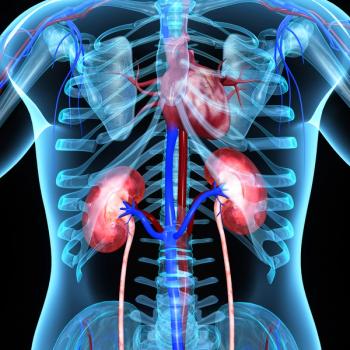
The dapagliflozin group had an average eGFR rate of -2.24 mL/min/1.73 m2 compared to -3.67 mL/min/1.73 m2 in the control group after about 1.5 years of follow-up.

Richard Pratley, MD, discusses how FLOW mortality data informs the use of semaglutide in patients with chronic kidney disease and type 2 diabetes.
In this interview, Bunick spoke about the contents of his Fall Clinical Dermatology presentation specifically regarding mechanisms of action and safety of systemic therapies.