
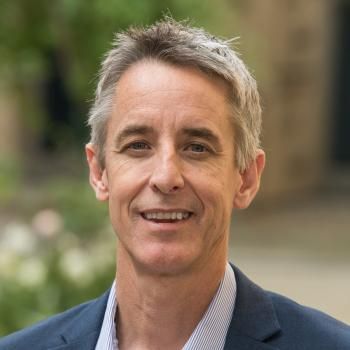
Kenneth Mahaffey, MD, discusses FLOW trial data showing semaglutide improves cardiovascular outcomes in patients with type 2 diabetes, regardless of CKD severity.
Kenneth Mahaffey, MD, discusses FLOW trial data showing semaglutide improves cardiovascular outcomes in patients with type 2 diabetes, regardless of CKD severity.
RESHAPE-HF2 shows mitral transcatheter edge-to-edge repair (M-TEER) reduces heart failure hospitalizations and improves quality of life vs optimal medical therapy alone.

A single blood test using hsCRP, LDL-C, and Lp(a) levels can predict cardiovascular risk for women up to 30 years, emphasizing personalized care.
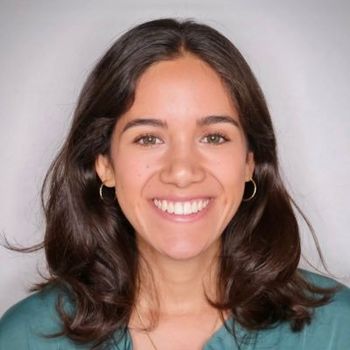
Sara Diaz Saravia, MD, discusses a study from ESC Congress 2024 examining the utility of cancer history in women as a predictor of subclinical atherosclerosis.
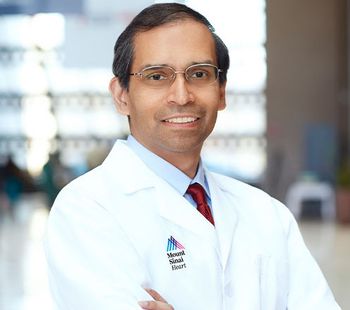
Deepak Bhatt, MD, MPH, MBA, discusses common pitfalls for clinicians when interpreting trial data based on a presentation he led at ESC Congress 2024.
Women with endometriosis experienced a 20% greater risk of cardiac outcomes compared with women without endometriosis.
The STOP-or-NOT trial found similar outcomes for continuation or discontinuation of RAS inhibitors before noncardiac surgery, supporting individualized decision-making.
HELIOS-B trial shows vutrisiran reduces all-cause mortality and CV events in ATTR-CM, with benefits consistent regardless of tafamidis use.
The ABYSS trial suggests no clear benefit of continuing beta-blockers post-MI in patients with preserved LVEF, echoing REDUCE-AMI findings.
Patients with stable CAD who quit smoking reduced the risk of a major event by nearly 50%, while a reduction in smoking habits demonstrated minimal effects.

Kausik Ray, MD, discusses what trials and new data in lipidology he is most looking forward to from the upcoming ESC Congress.
This episode focuses on sotagliflozin in type 1 diabetes and other highlights from the ADCES 2024 annual meeting.
Laurence Sperling, MD, offers perspective on multiple topics within the evolving field of lipid management and dyslipidemia.
The first of 2 episodes on ADCES 2024, this episode focuses on sessions and presentations hosts Isaacs and Bellini participated in during the meeting.
Deepak Bhatt, MD, MPH, MBA, discusses 7 trials to watch from hotline or late-breaking sessions at the upcoming European Society of Cardiology Congress 2024.
Laurence Sperling, MD, provides an overview of the Family Heart Global Summit, including previewing the meeting and discussing where interested attendees can learn more.
Brett King, MD, PhD, discusses the LEVEL UP trial and how it represents the field of dermatology's desire to advance care and advocate for new standards of care.
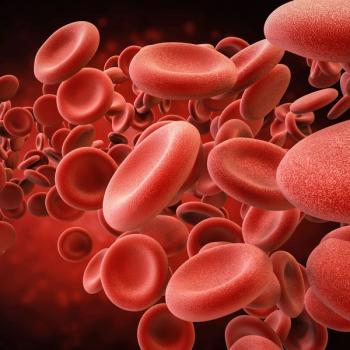
Patients with hemoglobin SS sickle cell disease type may experience a significantly elevated risk of retinal vascular occlusion.

An analysis of more than 11,000 people with T1D found people were more likely to report an affected father than an affected mother.

A first-time comparison in US patients displays the protective association of DOACs over warfarin use on RVO and intraocular bleeding risk.
A teleretinal screening program improved the awareness of sickle cell retinopathy and motivated patients to visit an eye care provider.

Older patient age was linked to suboptimal anti-VEGF response for diabetic macular edema in DRCR clinical trials.

Geographic atrophy in eyes with dry AMD and macular atrophy in fellow eyes with neovascular AMD demonstrate similar growth rates.

Counting down the most impactful news at major medical meetings, it’s the HCPLive Five! This episode focuses on 5 key interviews from the American Society of Retina Specialists (ASRS) 42nd Annual Meeting.
Pre-dose IOP outcomes in eyes with DME receiving aflibercept 8 mg or 2 mg were comparable through Week 48 of the Phase 2/3 PHOTON trial.

A post hoc analysis of PHOTON showed the utility of aflibercept 8 mg in patients with DME, irrespective of baseline visual acuity.
A recap of the 5 most popular topics related to gene therapy in ophthalmology coming from the 42nd American Society of Retina Specialists meeting.

Hesitancy with anti-VEGF biosimilars was identified in a survey among both ophthalmologists and patients with nAMD in Canada.

Across 40 clinical scenarios, ChatGPT did not provide a comprehensive response in 50% of clinical questions with nearly 30% hallucinated sources.
Patient factors trended towards an association with a higher risk of proliferative sickle cell retinopathy but did not reach statistical significance.