

The mitochondria-targeting medication preserves photoreceptor health regardless of baseline photoreceptor outer segment thinning burden.
The mitochondria-targeting medication preserves photoreceptor health regardless of baseline photoreceptor outer segment thinning burden.

Interim data from the ongoing TEASE-3 trial have indicated preservation of best-corrected visual acuity.

Compared to sham treatment, the PER-001 implant is safe, efficacious, and effective in reducing macular ischemia, vascular leakage, and microaneurysms.

Based on an open-label extension of the OAKS and DERBY trials, pegcetacoplan has highlighted the superior effectiveness of early versus delayed GA treatment.

Insights from Lungcast Interviews with Experts Leading the Charge in Detection and Therapy

Results from the DAVIO 2 trial have shown the equivalence of a single dose of EYP-1901 to aflibercept Q8W in visual acuity over 6 months.

In a DERM 2025 conference interview, Hebert highlights takeaways from her team’s findings on roflumilast cream in patients aged 3 months to 2 years with atopic dermatitis.

This FDA News Month in Review provides a round-up of regulatory decisions from July 2025.

Post hoc analyses of the TENAYA and LUCERNE phase 3 trials indicated important endpoints that could signal the potential for treatment interval extension.

This month in review spotlights 6 headlines, from the FDA approving sebetralsta for HAE to NICE Recommending Betula Verrucosa for Birch Tree Allergy.

Panelists discuss differentiators between nsMRA and steroidal MRAs in the context of heart failure.
Panelists offer perspective on the role of finerenone in combination therapy approaches in patients with HFmrEF/HFpEF.
Finerenone's FDA approval marks a transformative step in heart failure treatment, offering early benefits and broad applicability.
Finerenone's FDA approval marks a breakthrough in heart failure treatment, significantly reducing cardiovascular events and hospitalizations for patients.

From clinical trial updates in IBD to novel research about IBS and other disorders of gut brain interaction, catch up on the latest headlines in GI.

Three-year PIONEER data show avapritinib provides lasting symptom relief in indolent systemic mastocytosis with good safety.

EYP-1901 successfully achieved an extended time to first supplemental treatment versus aflibercept, indicating a potential for further dose interval extension.

Hahn discusses his recent study evaluating AREDS’s potential for nonsubfoveal GA regression in response to a recent post hoc analysis.

Patient responses indicate that the device is simple and easy to use, and clinical data reflects its effectiveness in recognizing hallmark signals of AMD.

The therapy was originally approved under the name Alhemo for people with hemophilia ages 12 and up without inhibitors.
FDA approves aceclidine ophthalmic solution 1.44%, revolutionizing presbyopia treatment for millions with a once-daily eye drop.
The new requirements follow a May Advisory Committee meeting that went over the latest long-term data on opioid risks.

Inclisiran can now be used alone, without addition of statin therapy, as adjunct to diet and exercise for LDL-C reduction in hypercholesterolemia.

These data were presented at DERM 2025, highlighting recent findings on the impact of tralokinumab on atopic dermatitis.

Results from an extension study of the PHOTON trial indicate longer-lasting visual and anatomic improvements in patients receiving aflibercept 8mg versus 2mg.

A recent analysis of data from the phase 3 YOSEMITE/RHINE trials has indicated a greater reduction in hard exudates using faricimab versus aflibercept.

An online course, AllergyAware, significantly improved school personnel’s ability to recognize and manage anaphylaxis.
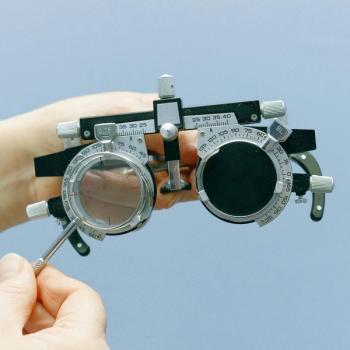
In a trial studying faricimab’s efficacy in Black, Hispanic/Latino, and Native American patients with DME, investigators found results consistent with the YOSEMITE/RHINE trials.

Findings confirm a significant post-pandemic rise in disorders of gut-brain interaction, including IBS and functional dyspepsia.

These pooled THRIVE-AA1 and THRIVE-AA2 study data highlight improvements in mental health among patients with alopecia given deuruxolitinib.