
Isaacs, Bellini, and Levy discuss a currently recruiting trial investigating CGM metrics in pregnant individuals with type 1 diabetes.
Isaacs, Bellini, and Levy discuss a currently recruiting trial investigating CGM metrics in pregnant individuals with type 1 diabetes.
Steger discussed the importance of tailoring diet strategies to patients with type 2 diabetes.

Shah discusses the stagnation of the T1D treatment landscape and the potential progress that GLP-1 RA research could present.
This interview with Hamade highlights some of the most notable takeaways regarding deucravacitinib’s safety among patients with psoriasis.
Host Brendon Neuen is joined by guests Tor Biering-Sørensen and Kristoffer Skaarup to discuss NUDGE-CKD and implementation trial design.

Announced by Aldeyra Therapeutics, Inc. on July 17, the FDA also assigned a PDUFA target action date of December 16, 2025.
Philis-Tsimikas emphasized the impact of nonmedical factors on health and how clinicians can be cognizant of them in their patient management.
Shah discusses the results from the ADJUST-T1D trial comparing semaglutide to placebo, which saw a significant disparity in semaglutide’s favor.

In this Q&A, Alva discusses how to identify tardive dyskinesia, approaches for treatment-resistant depression, and emerging therapies.
The most effective FMT strategy involved giving FMT as multiple-dose capsules or colonoscopy after an extended period of antibiotic pretreatment.
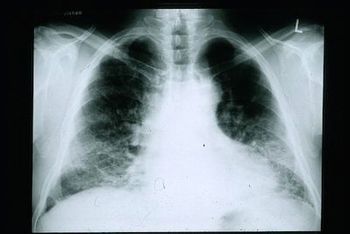
Endeavor BioMedicines' Taladegib gains orphan drug status for idiopathic pulmonary fibrosis, showing promise in improving lung function and patient outcomes.
In a new study, Yale researchers develop a method that has the potential to cure cystic fibrosis prior to birth.

Join leading experts at the 42nd Annual Echocardiography and Structural Heart Symposium to explore cutting-edge advancements in cardiovascular care.

A clinician performing an echocardiogram of a patient's heart
The Yale Biomedical Imaging Institute will drive transformative advancements in both basic science and clinical translation.

This analysis highlights differences between topical and oral finasteride for hair loss, specifically looking at adverse events and any causal connections.

Yale researchers developed an AI model that illuminates critical details about—and possible treatments for—idiopathic pulmonary fibrosis. It could do so for many other diseases.

At 2025 So Cal Psych, Maguire shared insights on diagnosing bipolar depression, treating agitation in dementia, and managing mental health challenges in patients who stutter.

Neffy showed fast symptom resolution in children experiencing moderate anaphylaxis following oral food challenges, offering a needle-free alternative to epinephrine injection.
Isaacs and Bellini discuss 3 more of the most impactful trials presented at the 85th annual American Diabetes Association conference in part 2 of this 2-part recap.

Patients who adhered to a strict 12-week low FODMAP diet saw improvements in fatigue, anxiety, and depression, and performed better on an attention test.

This July 15, 2025 SOCS News Update highlights Regine Mathieu, MD's experiences and views on collaboration opportunities.

At So Cal Psych 2025, Monroe discusses the promise of xanomeline-trospium (Cobenfy) and its novel mechanism.

Moderate vitamin D deficiency was not associated with cognitive outcome risk, but severe deficiency was linked to both cognitive impairment and mortality.
Alopecia significantly impacts life quality, with stigma and negative perceptions contributing to mental health issues such as anxiety and depression.
Isaacs and Bellini cover 3 of the most pivotal trial results from the 85th annual American Diabetes Association conference in part 1 of this 2-part recap.

Female sex and recent pregnancy were independent risk factors for reduced likelihood of DAA prescription among people with HCV entering opioid use disorder treatment.

This analysis suggests serum IL-13 levels are lower in bullous pemphigoid patients than in healthy controls and pemphigus vulgaris patients.

Sarcopenia was most prevalent among those on hemodialysis, but prevalence varied based on assessment criteria and timing of lean muscle mass measurement.
Daily intake of baked milk significantly improved tolerance and immune markers in young children with baked milk tolerance, according to a 12-month study.