

This interview segment with Scherer highlights additional takeaways from his SDPA 2025 talk, covering clues for clinicians to identify different interdigital foot infections.
This interview segment with Scherer highlights additional takeaways from his SDPA 2025 talk, covering clues for clinicians to identify different interdigital foot infections.

In this interview at SDPA, Scherer provides an overview of foot web space infections, fungal versus bacterial infections, and more.
At SDPA 2025, Cotter highlights clinical patterns in alopecia areata that may respond better, or worse, to JAK inhibition and shares his approach to systemic therapy.

Attar discusses the medication pipeline, possible AI implementation, and the importance of making patients aware of clinical trials for rare genetic diseases.
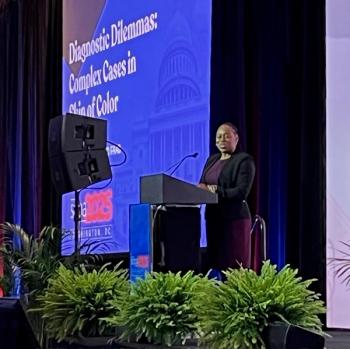
This presentation, covered at SDPA, features a discussion by Ginette Okoye, MD, who highlights diagnostic challenges among even experienced clinicians.

Lang discusses his expectations and excitement for upcoming developments in the field and encourages clinicians to work together to better treat complex patients.

At SDPA 2025, Mangin emphasized the importance of wood lamp use, JAK inhibitors, and phototherapy in managing vitiligo and preventing relapse.

Hope Cook, PA-C, speaks in this interview at SDPA about strategies for clinicians seeking to overcome burnout in their careers.
At SDPA 2025, Mangin discussed her vitiligo approach, misconceptions, and how to determine when the disease is active.
In this interview at SDPA 2025, Hope Cook, PA-C, describes the contents of her talk regarding helping clinicians heal from burnout.

A worldwide increase in both near-work and screen usage has led to a spike in myopia rates; this study associates this with near exophoria caused by close reading.
Silverberg discussers 16-week data for rezpegaldesleukin in atopic dermatitis from the phase 2b REZOLVE-AD trial.
Silverberg discusses the significance of the dupilumab approval in BP and why he thinks it's the most important news in dermatology in 2025 so far.
Brimer sat down with HCPLive to discuss her presentation of a study analyzing the refill rates of PFHO and common alternative cyclosporine ophthalmic emulsion .05%.

In this segment of her SDPA interview, Orit Markowitz, MD, highlights several points about dermoscopy, including common issues with identifying benign lesions.

More than 60% of patients with psoriasis achieved PASI 100 at week 16 with bimekizumab and maintained skin clearance up to 4 Years.

Patients with cirrhosis receiving diuretics and SGLT-2 inhibitors experienced lower rates of serious liver events than those not taking SGLT-2 inhibitors.

A form of the cytisine regimen, widely used in Eastern Europe for decades, is finally being put in front of US regulators after recently also becoming available in the UK.
The topics of different hair textures and the management of alopecia in patients with skin of color were highlighted by Ginette Okoye, MD, at SDPA 2025.
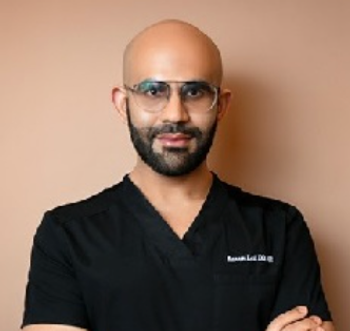
Orit Markowitz, MD, highlighted takeaways from her SDPA presentation on the recognition of benign patterns in dermoscopy.
Discover how advancements in biologic therapies and precision medicine are transforming asthma and COPD management, enhancing patient care and outcomes.

A recent post hoc analysis of 2 pivotal phase 3 trials has determined the efficacy of acoltremon .003% in reducing ocular surface damage in dry eye disease.

From uncovering new benefits of semaglutide to targeting hypercortisolism in people with type 2 diabetes, here are 5 key updates from the annual meeting.
Chang reviews key points from her recent paper on the evolving landscape of eosinophilic esophagitis management and lingering knowledge gaps.

Jennifer Lai, MD, shares science-backed strategies for clinicians to counsel patients on nutrition and liver health.

This case study underscores how fragmented care and weight bias can contribute to late-stage MASH diagnosis.

A patient’s near-fatal journey from undiagnosed fatty liver disease to liver transplant highlights the urgent need for better screening and stigma-free communication.

Nearchou discusses the implications for early detection of specific learning disabilities and the potential for early intervention to provide equal access to education.