
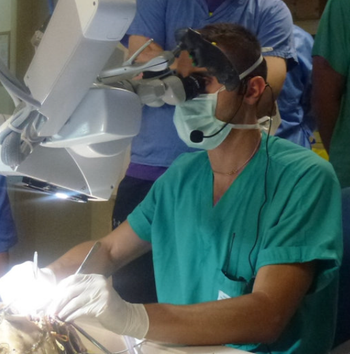
Dupilumab improves severe CRSwNP symptoms, such as nasal obstruction and quality of life, showing significant efficacy within 6-12 months.
Dupilumab improves severe CRSwNP symptoms, such as nasal obstruction and quality of life, showing significant efficacy within 6-12 months.

Phosphatidylethanol outperformed several indirect blood-based alcohol biomarkers for differentiating MetALD from MASLD.

Meteorological conditions’ effect on exacerbations were likely mediated by particulate matter.

Approximately 2.0% of commercially insured individuals with obesity, but not diabetes, initiated semaglutide within 6 months of diagnosis.
In this quiz, the June 2022 approval of baricitinib is highlighted as the first treatment approved for alopecia areata.

Mindfulness eased opioid cravings in OUD patients on buprenorphine but showed no added benefit over recovery support for abstinence, substance use, or anxiety.

Study findings point to the prognostic value of anti-ETAR and anti-CXCR3 antibodies in IgA nephropathy and lupus nephritis.

Increases in oxidized HDL levels were linked to HFpEF in new analyses, suggesting reduced antioxidant HDL function is present in this patient population.

These real-life data highlight dupilumab’s efficacy at 16 weeks, with the safety and effectiveness in children with atopic dermatitis continuing to 52 weeks.
The Breakthrough Therapy designation comes just months after positive phase 2 data for brelovitug were presented at AASLD The Liver Meeting in 2024.
The FDA approved esketamine (SPRAVATO) nasal spray as the first monotherapy for adults with TRD, showing rapid efficacy at 4 weeks.

A study showed that vitamins, supplements, and antipsychotics were associated with an increased dementia risk.
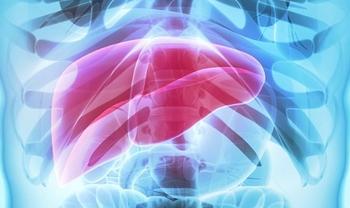
The analysis of NHANES data revealed higher LE8 scores for cardiovascular health were linked to a decreased risk of MASLD.

A new study found high concentrations of pollen from 3 species classes—ragweed, deciduous trees, and grass—are linked to increased chronic respiratory mortality.

Findings show differences in the clinicopathological characteristics and prognosis of patients with IgAN and nephrotic syndrome across renal pathologies.
In this summary, we highlight the latest issue of our pulmonology research quarterly newsletter powered by the American Lung Association Research Institute.
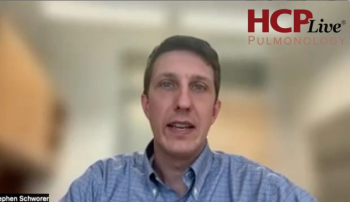
This interview in the latest issue of The Respiratory Report features Stephen Schworer, Md, PhD, discussing the role of mucus plugging in severe asthma.

The FDA has assigned a Prescription Drug User Fee Act (PDUFA) target action date of November 18, 2025.

Exploring mucus plugging in severe asthma, focusing on small airway dysfunction, MUC5AC expression, and epithelial heterogeneity using advanced methods.
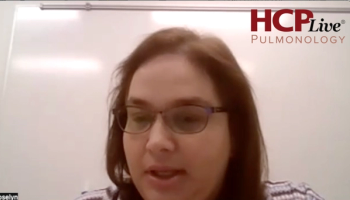
Joselyn Rojas-Quintero, MD, speaks about her team's current research into COPD treatment on this issue of The Respiratory Report.

The importance of AT2 cells in repairing injured alveoli and maintaining alveoli number and lumen size suggests that COPD therapies may be implemented to improve AT2 cell biology and/or increase AT2 cell numbers.
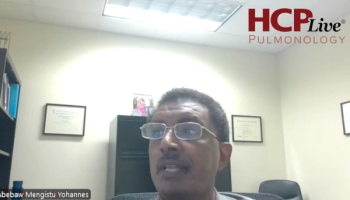
Abebaw Yohannes, MSc, PhD, speaks about his team’s pilot study designed to assess the use of duloxetine for patients with COPD and comorbid depression.

Pilot study tests duloxetine’s feasibility for depression in COPD, examining patient/physician attitudes, treatment barriers, and therapy effects.

This summarizes the latest in our pulmonology research quarterly newsletter powered by the American Lung Association Research Institute.

The RECEIVE study develops tools to standardize returning chest CT results in the Lung Health Cohort, improving engagement and ethical practices.

With a completed 12-week analysis, Outlook Therapeutics plans to resubmit the Biologics License Application for ONS-5010 in the first quarter of 2025.

This cohort study’s findings shed light on associated factors with acne relapse and retrial among individuals with acne who were treated with isotretinoin.

In the absence of effective treatments, the prevalence of MASLD could reach 41.4% by 2050 and lead to large increases in HCC cases and liver transplants.

This systematic review and meta-analysis highlighted several key findings on use of probiotics as a treatment of pediatric patients with allergies to food.

A new study shows that employee stress improves when using a mindfulness meditation app for under or above 5 minutes (the more effective option).