

A study showed age and sex perform better at identifying the risk for opioid use disorder than candidate genetic variants.
A study showed age and sex perform better at identifying the risk for opioid use disorder than candidate genetic variants.

Flemming describes increasing rates of AH among adolescents and young adults, with females facing the greatest increases and worse outcomes than males.

An infusion of ferric carboxymaltose in the third trimester significantly reduced anemia in pregnant women, surpassing the efficacy of iron tablets.

These findings suggest that zinc and vitamin D levels may function as a disease severity indicator for patients with alopecia areata.

Subjective poor sleep quality is tied to greater systolic blood pressure in adults ≤ 49 years with optimal sleep duration, compared with adults ≥ 50 years.

In patients with MASLD and T2D, GLP-1 RA use was linked to a 16% relative risk reduction in major adverse liver outcomes compared with SGLT2i use.
Hosts are joined by a registered dietitian and practicing endocrinologist to discuss dietitians' role in managing patients receiving incretin therapies.

These data highlight the long-term efficacy of baricitinib, a JAK 1/2 inhibitor, for patients with severe alopecia areata in a real-world setting.

A study found many people with dementia live approximately 1 third of their remaining life expectancy in nursing homes.

The new definition uses both age and GFR without body surface area correction to determine the threshold value for hyperfiltration.

All participants with RP treated with OCU400 gene therapy achieved vision improvement or preservation at 2 years of the Phase 1/2 trial.
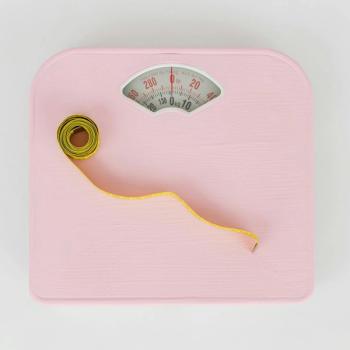
A new study highlights notable obesity-associated disruptions of iron metabolism, with higher hemoglobin and serum ferritin levels in pre-obese and obese cohorts.

These findings on asthma healthcare utilization resulted from the lack of a winter peak in RSV during the first months of the COVID-19 pandemic.

In a recent study, participants reported worse patient care experience and staff responsiveness following the private equity acquisition of hospitals.

Pediatric liver transplant centers with greater within-center variability in induction type had higher rates of 1-year rejection.
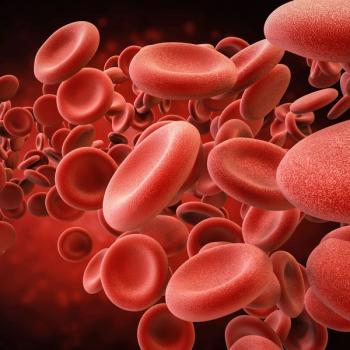
Nearly half of patients with acute coronary syndrome in a single-center analysis exhibited iron deficiency, with anemia linked to a greater impact on mortality.

In this study, investigators pointed to existing resources available for mental health care among those with various skin conditions.

Aspirin avoidance remained safe and did not increase thrombosis risk after LVAD implantation in patients with a history of atherosclerotic vascular conditions.
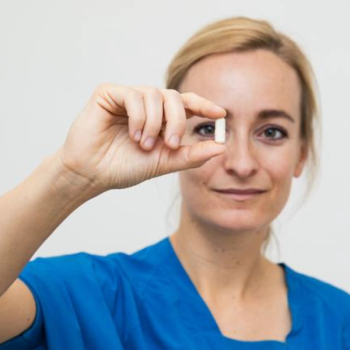
The randomized trial is the first to assess fecal microbiota transplantation for treating diabetic gastroenteropathy, highlighting its safety and efficacy.

This study looks into the relationship of caffeine intake among pregnant mothers with asthma development outcomes among their offspring.

HCPLive spoke with John M. Kane, MD, about phase 2 LB-102 data for schizophrenia.

A new study found that depression prevalence among older adults was greater for those who were 65 – 69 years old.

Atumelnant rapidly lowered key biomarkers in congenital adrenal hyperplasia in positive topline results from the Phase 2 TouCAHn trial.

As the number of metabolic components increased, so did the risk of adverse outcomes in patients with biopsy-proven IgAN.

Submission of the supplemental NDA was based on positive findings from the FINEARTS-HF trial investigating finerenone for heart failure with an LVEF ≥40%.

4D-150 shows promising efficacy and safety in DME as FDA greenlights Phase 3 trial for Biologics License Application submission.

This analysis highlights the transcriptomic patterns of chronic hand eczema, indicating the potential of novel drug targets.

SP-624, a SIRT6 activator, showed promise in an exploratory study for treating depression and cognition in females with MDD. Positive EEG data suggests enhanced neural connectivity.

New research reveals that frequent social media use, especially active use of platforms such as TikTok and Facebook, is linked to greater irritability levels.

Non-Hispanic Black and Hispanic children were less likely to undergo preemptive KT and had longer wait times than non-Hispanic White children.