

Medicaid-insured heart transplant recipients reported worse survival and higher risk of cardiac allograft vasculopathy over 5 years.
Medicaid-insured heart transplant recipients reported worse survival and higher risk of cardiac allograft vasculopathy over 5 years.

These findings suggest the ACORN PtGA tool may be effective as an alternative option for acne assessment when a clinician is unavailable.

Women experience more severe early PTSD symptoms than men, with re-experiencing and avoidance clusters being strongest. Men showed stronger anxious arousal patterns.

Donor HCV positivity was not associated with acute rejection or recipient mortality 1-year post-renal transplant in HCV-negative recipients.

GLP-1 RA initiation boosted new thyroid cancer diagnoses, compared with other anti-diabetic drugs, but enhanced early detection may have played a role.

The results of this analysis point to the significance of emotions in the treatment and functional outcomes of those with dandruff.

A new study showed that experiencing worsened allergic rhinitis symptoms in air-conditioned environments may predict disease severity.

The updated clinical practice guideline addresses new research and clinical developments since the first iteration of the guideline was released in 2014.

However, subgroup analyses may reveal a more pronounced effect in people with severe COPD.

Subcutaneous amycretin achieved up to a 22.0% weight loss over 36 weeks, with a consistent safety profile to other incretin-based therapies.

This class 2 recall of almost 3000 First Aid Beauty brand face moisturizers resulted from deviation from Current Good Manufacturing Practice regulations.

A study found depressive symptoms in older individuals with normal cognition were linked to amyloid pathology in APOE ε4 noncarriers but not carriers.

Factors associated with 30-day readmission were shorter hospital stays after transplant, insurance status, and patient history of diabetes and malignancy.

CRN declined from 23.2% to 13.1% between 2011 and 2022 but still affects around 2.5 million adults in the US.
In this episode, hosts explore the latest updates to the ADA Standards of Care on therapeutic innovations and their real-world impact on diabetes management.

These data highlight the effectiveness of long-term ritlecitinib treatment among those with alopecia areata and significant scalp hair loss.

A new study showed sedative, hypnotic, and anxiolytic use disorder diagnoses rose 3- to 5-fold from 2001–2019 among adolescents and young adults.
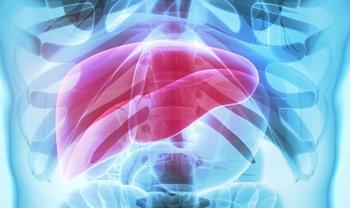
MASLD and MetALD were linked to a greater risk of incident IBD, with risk increasing as the number of associated cardiometabolic risk factors increased.

These findings highlight the efficacy and tolerance of treatment with oral baricitinib along with phototherapy among those with the most severe form of vitiligo.

The approval of Amneal Pharmaceuticals’ generic version of rifaximin 550 mg oral tablets is tentative due to the product’s involvement in litigation.

Abelacimab achieved notably lower levels of free factor XI and fewer bleeding events than standard-of-care rivaroxaban in the Phase 2b trial.

A new study identified psychiatric, neurological, and somatic comorbidities of intermittent explosive disorder.

Findings point to global increases in alcohol use disorder, alcohol-associated liver disease, and liver cancer attributable to alcohol from 2000-2021.

New findings cast doubt on required black box warnings for montelukast (brand name Singulair).

Grade 2 or 3 cardiac uptake showed a 5-fold higher risk of cardiovascular death compared to grade 1 in asymptomatic ATTR cardiac amyloid infiltration.

HCPLive spoke with Mattingly about esketamine’s recent FDA approval as a monotherapy for treatment-resistant depression which works within hours or 1 – 2 days.

In this observational cross-sectional study, investigators highlighted the challenges associated with tapering cortisone creams for patients with atopic dermatitis.

Findings highlight the wide variety of outcomes experienced by patients with IgAN and the limited insights offered by clinical data at diagnosis.

Self-reported primary prevention aspirin use decreased among adults with both low and high ASCVD risk after the release of evidence-based guidelines.

These topline findings highlight the potential of VP-315, an investigational oncolytic peptide, as a first line therapy for basal cell carcinoma.