
David Rosmarin, MD, discussed STAT6 inhibitors, ITK inhibitors, bispecifics, hand eczema, and endpoints at the RAD 2026 Conference.
David Rosmarin, MD, discussed STAT6 inhibitors, ITK inhibitors, bispecifics, hand eczema, and endpoints at the RAD 2026 Conference.

At SDPA 2026, Shanna Miranti, PA-C, outlined how dermatology PAs can sharpen diagnostic speed and accuracy through structured visual practice and algorithm-based thinking.

Diana Varghese, MD, discusses her recent study noting a 9% prevalence of PA among patients with incident hypertension and providing targets for further screening strategies.

Song emphasized that clinicians should think beyond the skin when managing patients with atopic dermatitis.

ARCADIA LTE data show nemolizumab maintains EASI-75 in over 90% of responders through 2 years and phase 2 pediatric data shed further light at RAD 2026.

Pulmonologist David Hill, MD, anticipates cytisinicline's approval ahead of its June 20 PDUFA date.

At RAD2026, Lieberman notes advances in immunology and systemic therapies that are reshaping the link between dermatology and allergy/immunology.
A propensity-matched study shows dupilumab reduces gastrointestinal and endocrine IMID risk by 43-46% but raises psoriasis risk by 24%.

Tatyana Kushner, MD, joins hosts Brown and Reau to discuss HDV testing gaps, bulevirtide approval, and the emerging delta hepatitis pipeline.

Data from the ongoing open-label extensions of PATHFNDR-1 and PATHFNDR-2, presented at ENDO 2026, highlight the drug’s efficacy in reducing IGF-1.

This episode covers recent approvals and updated indications allowing more treatment options for children with diabetes.

Crinecerfont enabled sustained GC dose reductions over 2 years, with nearly 70% of adults with classic CAH reaching physiologic dosing.
Lieberman, spoke at RAD 2026 about highlights from his session, ‘Connecting AD to Other Dermatologic Disorders and Related Comorbidities.'

Gafni discusses the primary results of the phase 3 CALIBRATE trial, testing the investigational oral calcilytic in this difficult-to-treat disease state.
RAD 2026 analyses reveal the impact of CHE on patients' lives, including its financial effects and influence on treatment decision-making.

Real-world data from the international TRACE study show 12 months of tralokinumab improved skin and quality-of-life outcomes.

Erika Lundgrin, MD, discusses her recent work comparing the various components of financial toxicity, determining what has the greatest effect on negative outcomes.

Shipra Patel, MD, MS, discusses her recent study highlighting best practices for phase 1 and 2 obesity trials to avoid attrition and loss of data.
An expert clinical forum explores recent updates in the field and incorporating sotatercept treatment.

Aleena Banerji, MD, reviews HAELO secondary data: 91% reduction in moderate/severe attacks, 17-point QoL gain, and zero non-responders for lonvo-z.

Bharat Saboo, MS, discusses his recent study investigating the LLM device in improving both physical and psychological issues associated with T1D.

Samuel Shangwu Wu, PhD, discusses his recent work evaluating TMRCP as an effective endpoint for future T1D trials.

DiRuggiero on PsO-LD, a heating pad for molluscum, and why psoriasis counseling must now include pulmonary risk.

This video feature highlights the views of dermatologists on prior authorization, step therapy, and issues related to these processes.
Dermatologists write up to 10% of US antibiotics. At SDPA 2026, Douglas DiRuggiero, PA-C, explains why that must change and what to use instead.

Explore APAPP’s Las Vegas meeting with hands-on POCUS and airway labs, COPD and ILD bootcamps, AI updates, and new therapy insights.

Brian Lacy, MD, PhD, of Mayo Clinic discussed the stepwise approach to diagnosing non-IgE mediated food hypersensitivity at EAC 2026.
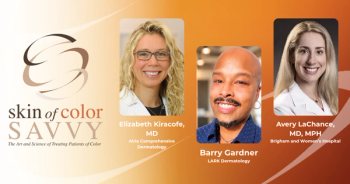
This discussion centers on patient empowerment, shared decision-making, and advancing equitable dermatologic care for those with skin of color.
Two-year CAHtalyst data show crinecerfont sustained glucocorticoid reduction and improved metabolic outcomes in classic CAH.

Elena Christofides, MD, discusses her recent analysis of patients with ulcerative colitis receiving corticosteroids.