

New findings point to remaining gaps in AI diagnostic success for skin lesions compared with experienced clinicians in dermatology.
New findings point to remaining gaps in AI diagnostic success for skin lesions compared with experienced clinicians in dermatology.
Alexis Marcotte-Chénard, PhD, discusses his presentation on “exercise snacks” and how they can lower blood pressure and improve HbA1c in sedentary patients.
From hepatitis D's first FDA-approved therapy to advances in hepatitis B and PBC, May delivered major developments in hepatology.

From FDA-approved at-home TMS and accelerated protocols to conversational AI matching group therapy outcomes, here are 5 psychiatry updates from May every clinician should know.

ACCESS phase 2b data show aleniglipron 120 mg produced 11.3% placebo-adjusted weight loss at 36 weeks, with continued reductions in the OLE.
Vleugels discusses Part B findings on investigational IL-13 inhibitor zumilokibart (APG777) in adult patients with moderate-to-severe atopic dermatitis.
Sood discusses emerging diabetes technologies, from automated insulin delivery to dual glucose-ketone monitoring, at ADA 2026.

The phase 3 TURING trial found rituximab slashed relapse rates in adults with minimal change disease and FSGS, offering a steroid-sparing alternative.

Teplizumab, which has recently seen a substantial label expansion into pediatric patients, is matching its safety and efficacy data in the clinic.
From a one-time CRISPR therapy cutting HAE attacks by 87% to CSU biomarkers and emerging ILIT research, here are the 5 allergy stories worth catching up on from May 2026.

In the final segment, the clinicians evaluate the guideline's nuanced positioning of phototherapy relative to newer systemic agents and highlight a gap.
Krakowski and Torres-Zegarra discuss how to initiate the conversation about systemic therapy with families and review the guideline's drug hierarchy.
The experts review the guideline's approach to topicals for active atopic dermatitis, covering the appropriate use of topical corticosteroids and more.
This segment examines how the guideline navigates the tension between GRADE-based evidence thresholds and long-established clinical practices.
This discussion highlights disease prevention and the foundational role of moisturization, with the experts examining emollient use.
Pediatric dermatologists introduce the first pediatric-specific evidence-based guidelines for atopic dermatitis and discuss.
Phase 3 TETON-1 data show inhaled treprostinil reduced FVC decline by 130 mL and cut clinical worsening risk 33% in IPF patients over 52 weeks, according to Steven Nathan, MD.
5 interviews. 5 minutes. The asthma data from ATS 2026 your patients will be asking about.
This Q&A interview highlights findings on the lifelong impacts on education and career faced by some patients with childhood diagnoses of atopic dermatitis.
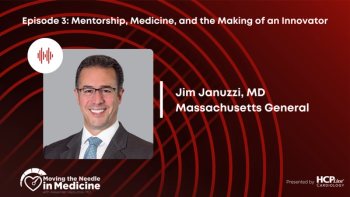
Hear Jim Januzzi, MD, discuss how he overcame academic shortcomings to become one of the preeminent voices in cardiology biomarkers.

Khlevner, MD, discusses the expanded FDA approval of linaclotide for children aged ≥2 years with functional constipation.
Catch up on GI regulatory actions and top headlines from DDW in this May month in review.

5 interviews in 5 minutes. Check out this HCPLive Five at ATS 2026 on late breaking data in sleep apnea, lung function recovery, PAH, lung disease, and COPD.
Catch up on major trial results, key FDA decisions, and more.
Catch up on the key nephrology news, research findings, and expert insights featured on HCPLive throughout May 2026.
This installment of our Month in Review series highlights top news headlines and podcast updates in dermatology from May 2026.

Phase 2 JASMINE data show nipocalimab achieved SRI-4 response rates of 53.5% vs 46.7% with placebo at week 24, with benefits sustained through week 52.
The Genital Psoriasis Wellness Consortium reached consensus on age-specific recommendations on screening, care, and special populations.

Data suggest long-term extracorporeal photopheresis may reduce mortality risk in patients with chronic lung allograft dysfunction unresponsive to standard immunosuppression.

May 2026 saw substantial FDA decisions, major trial results, guideline updates, and more.