
Much of the recent focus on drug development in IBD has centered on the IL-23 pathway.
Much of the recent focus on drug development in IBD has centered on the IL-23 pathway.

At ACC 2023, HCPLive editorial team sat down with Clyde Yancy, MD, to learn more about his perspective on recent and upcoming advances in cardiovascular care. In this interview, Yancy discusses his perspective on the clinical trial data surrounding renal denervation as a treatment for hypertension.

An interview with Dr. Annapoorna S. Kini at ACC 2023 breaks down the findings on the effect of evolocumab on coronary plaque characteristics in stable CAD from the YELLOW III study.

Steve Nissen, MD, sits down for an interview to discuss the clinical takeaways, design intricacies, safety signals, and more from the CLEAR Outcomes trial.
Implantation of a pacemaker to enhance exercise heart rate did not improve exercise capacity, symptoms, or exercise cardiac output in patients with HFpEF and chronotropic incompetence in the RAPID-HF trial.
Hosts are joined by Tor Biering-Sørenson, MD, MSc, MPH, PhD, to discuss the NUDGE FLU trial and how the lessons learned can inform implementation strategies for various other types of therapies.

In the largest implementation trial ever conducted, new research from the NUDGE FLU trial suggests informing patients of the potential cardiovascular benefits associated with receipt of the flu vaccine could increase uptake among older adults.

In patients with acute coronary syndrome and multi-vessel heart disease, immediate stent treatment was as safe and effective as staged treatment at one year, according to late-breaking data presented at ACC 2023.
Clyde Yancy, MD, offers insight into his keynote address and the importance of both recognizing and addressing inequities within heart failure management.

In a Q&A at ACC 2023, Drs. Alexandra Murphy and Birgit Vogel of Mount Sinai discuss sex-specific predictors of MACE and the need for individualization of care to achieve equity in cardiovascular health.
At ACC.23, our editorial team sat down with a pair of leaders in cardiometabolic health to get their perspective on the growing intersectionality of cardiovascular and chronic kidney disease and how patients have been the beneficiaries of this growing recognition.
Results from the STOP-CA trial suggest patients taking atorvastatin for one year were significantly less likely to show evidence of heart dysfunction than those who took a placebo.

The TRILUMINATE Pivotal trial reports a reduction in the severity of tricuspid regurgitation with TEER, but no significant difference in survival or hospitalization after one year of follow-up.
Results of the CLEAR Outcomes trial suggests adherence to bempedoic acid was associated with a 13% relative reduction in incidence of the trial's primary endpoint of 4-point MACE, but no benefit was observed for risk of cardiovascular death or all-cause mortality in the trial.

A new meta-analysis of 9 randomized trials suggests restricting dietary sodium intake to levels below 2.3 grams per day may increase the risk of death in patients with heart failure.

Medicaid enrollees with sickle cell disease have limited access to clinical trials and out-of-state benefits. Barriers to treatment are multifaceted and occur at different levels of care.

Results from the NOSTONE trial suggest the incidence of recurrence did not differ among patients receiving hydrochlorothiazide once daily at a dose of 12.5 mg, 25 mg, or 50 mg or once-daily placebo.

Data from AAAAI 2023 suggests that gut microbial composition, function, and metabolic activity are implicated in the efficacy of peanut oral immunotherapy in children with peanut allergy.
A recap of the top news and research from the 16th annual meeting for Advanced Technologies and Treatments for Diabetes in Berlin, Germany.
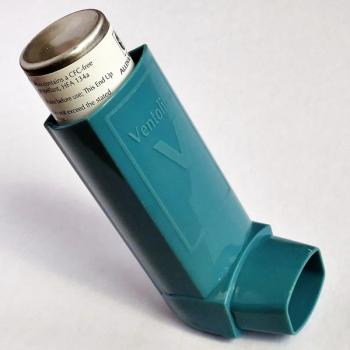
In recent data presented at the AAAAI annual meeting, dupilumab was found to have outperformed both mepolizumab and omalizumab in FEV1 improvement for asthma patients.

The results from a Bayesian reinforcement learning model showed the antidepressant placebo trial-wise expectancies were updated by composite learning signals multiplexing sensory evidence and trial-wise mood.

The patients that did not undergo colectomy in the infliximab group were more often re-hospitalized because to the need for intravenous corticosteroids at the two-year follow-up compared to the cyclosporine group.

Data shown at the AAAAI annual meeting showed that chronic spontaneous urticaria activity and DLQI rankings were higher following dupilumab treatment.
After Eli Lilly and Company announced major reductions in list prices for multiple insulin products, the community rejoiced at the though of taking a major step forward toward equitable access to insulin. Learn more about the reaction from major organizations and those within the field.

Dr. Margaret Ragni discusses the FDA approved, first-in-class, factor VIII replacement therapy, antihemophilic factor (Recombinant), Fc-VWF-XTEN Fusion Protein-ehtl, previously known as efanesoctocog alfa.

Data presented at the AAAAI annual conference showed that delayed cutaneous reactions were more reported following Moderna COVID-19 vaccination than other vaccines.

Individuals that did not respond had a lower percentage of naïve T cells compared to responders, while responders had a lower percentage of Th2 and CD4 central memory subsets before vaccination.
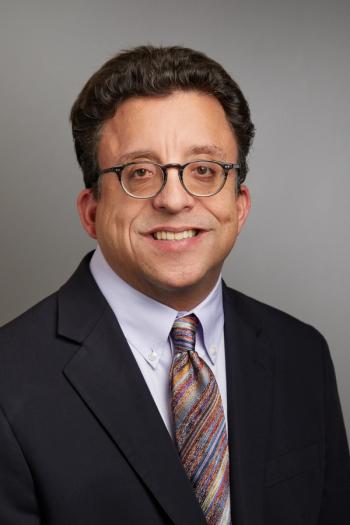
In this episode, Stuart Weinzimer, MD sits down with hosts for a discussion on his research and experience with diabetes technology, the need to focus on patient-reported outcomes in pediatric diabetes, and strategies for meeting the practical needs of individuals with diabetes.

New data presented at the AAAAI annual meeting showed that a significant number of patients recommended to be evaluated for drug allergy never completed their diagnostic tests.

There was also an inverse correlation between FGF21 levels and nutritional status indicators, including body mass index, albumin level, and cholesterol in patients with inflammatory bowel disease.