

Research indicates that a potential reduction in healthcare costs could result from utilization of biosimilars for adalimumab and etanercept in dermatology.
Research indicates that a potential reduction in healthcare costs could result from utilization of biosimilars for adalimumab and etanercept in dermatology.

The odds of hospitalizations with acetaminophen and opioid toxicity increased by 11% per year prior to the mandate and decreased by 11% per year after the announcement.

In another interview segment, Castells went further into depth regarding the PIONEER trial results and regarding avapritinib’s effect on mastocytosis.

Zuranolone is being evaluated as a 14 day, rapid-acting, once-daily, oral treatment for adult patients with MDD and PPD. The drug is an oral neuroactive steroid GABA-A receptor positive allosteric modulator.

Deepak Bhatt, MD, MPH, discusses results of the phase 2 ENTRIGUE trial and how it informs clinicians on the effects of the human FGF21 analogue in patients with severe hypertriglyceridemia.

If approved, Boehringer Ingelheim and Eli Lilly and Company's SGLT2 inhibitor would be the first agent in the class with an indication as an adjunct to diet and exercise for improving glycemic control in children with type 2 diabetes aged 10 years and older.

The results show 58% of patients treated with ustekinumab were in clinical remission, while 80% were in clinical response.
New data from AAAAI was described by Castells, who explained some of the background of the recent PIONEER trial on avapritinib for mastocytosis patients.

New research from a phase 2b trial presented at ACC 2023 suggests an oral PCSK9 inhibitor could help reduce LDL-C by 60% in patients with or at-risk for atherosclerotic cardiovascular disease.

A one-of-its-kind assessment of 8 decades' worth of UK data show a lower respiratory tract infection by age 2 increases risk of premature adult death by 93%.
Hear from Deepak Bhatt, MD, MPH, as he discusses how he interprets the results of the HALO trial and offers perspective on the forthcoming research related to baxdrostat.

Novan announced on Tuesday that the FDA accepted the New Drug Application (NDA) for Berdazimer Gel, a topical antiviral molluscum contagiosum treatment, for review.

A new study supports an individualized treatment plan for aflibercept, showing its improved efficacy with fewer injections over 2 years.

At ACC 2023, results from the RAPID-HF trial reported atrial pacing was ineffective at improving exercise capacity in patients with HFpEF and chronotropic incompetence.

In a recent letter to the editor, a newly-developed tool to assess one’s satisfaction with life when dealing with food allergy was introduced.

The gene expression analysis of the liver showed mRNA levels of BCAT1, BCAT2, and BCKDA were upregulated in patients with NAFLD.

A recent study reviewed several educational interventions designed to promote food allergy literacy and knowledge for both parents and children.

The results show 28.9% of the aripiprazole augmentation group achieved remission, compared to 28.2% of the bupropion augmentation group and 19.3% of the bupropion switch group.

Results from the phase 3 A DUE study suggest a combination of macitentan and tadalafil nearly doubled reductions in pulmonary vascular resistance in patients with PAH.

Data from cohort 4 in REDWOOD-HCM provides the first insight into the effects of aficamten in a cohort of patients with non-obstructive hypertrophic cardiomyopathy.

Data from the phase 3 STELLAR trial indicate adding sotatercept to background therapy in PAH was associated with statistically significant improvements in 6-minute walk distance and 8 of the trial's 9 secondary endpoints, including time to death or clinical worsening.

At the AAAAI 2023 Annual Meeting, Dr. Debajyoti Ghosh explains the importance of understanding the effect of phthalates, specifically di-2-ethylhexyl phthalate (DEHP).

In an interview at ACC 2023, Ankeet Bhatt, MD, describes how virtual care team represents an effective and scalable approach to improve therapeutic optimization across a health system.

Data from COORDINATE-Diabetes presented at ACC 2023 demonstrate the impact of a multifaceted, coordinated care approach on improving prescription rates of statins, ACEs/ARBs, and glucose-lowering medications among people with type 2 diabetes.

Mary McGowan, MD, discusses a study she presented examining the overall prevalence of patients with high-risk hypercholesterolemia who fail to meet guideline-recommended goals for LDL-C levels.

In an interview at ACC 2023, Harrington elaborated on the upcoming phase 3 Librexia clinical trial program studying the Factor XIa inhibitor for the prevention of thrombotic events.

New data from a study on adult vitiligo patients indicates that both autoimmune/autoinflammatory and non-autoimmune comorbidities have higher occurrence rates for vitiligo patients.

The mortality rate ranged from 13.2 deaths per 100,000 live births in 2005 to 8.3 deaths per 100,000 live births in 2020.

The US FDA has granted clearance to the FreeStyle Libre 2 and FreeStyle Libre 3 sensors for integration with automated insulin delivery systems. Abbott, which noted ongoing collaborations with Insulet and Tandem, expects the modified sensors to be available in the US later this year.
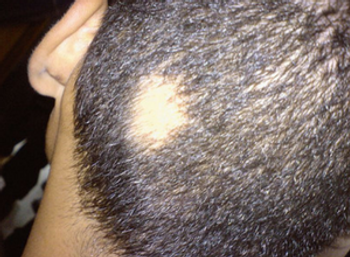
New findings have indicated that alopecia areata, alopecia totalis, and alopecia universalis, may disproportionately affect Asian Americans and other people of color.