

A new interview segment with Karan Lal, DO, in which he explores the benefits and drawbacks of dermatology offices versus medical spas.
A new interview segment with Karan Lal, DO, in which he explores the benefits and drawbacks of dermatology offices versus medical spas.

MDR colonization was associated with MDR infection and colonization and infection was linked to higher numbers and duration of antibiotic use.

A study of more than 100 adults with type 1 diabetes suggests those with increased levels of self-stigma had worse glucose control than their counterparts with lower levels of self-stigma.

The company announced they will no longer pursue approval for the treatment despite positive data from recent phase 2 trials.

Abbott's Proclaim XR spinal cord stimulation system allows patients with painful diabetic peripheral neuropathy to improve quality of life using a system that is easily incorporated into their everyday lives.

The monoclonal antibody serves as the first and only therapy for treating hemolysis in adults with cold agglutinin disease, an extremely rare condition.

Real-world evidence indicates that patients with psoriasis can safely and effectively undergo (non-medical) switching to a biosimilar.

An analysis of the Jackson Heart Study reports economic food insecurity as a risk factor for incident CHD and incident HFrEF, independent of socioeconomic measures and traditional CV risk factors.

“Repurposing approved drugs developed for other conditions presents an attractive strategy to identify new treatment options and expand access to potentially lifesaving care,” investigators wrote.

Rurality was associated with an increased risk of HF among women and Black men, which persisted after adjustment for cardiovascular risk factors and socioeconomic status.
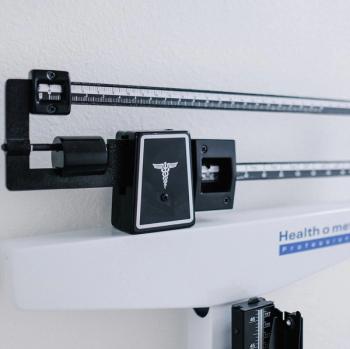
With up to 40 years of follow-up, a retrospective study of matched pairs is providing an overview of the long-term risks and benefits of bariatric surgery in people with overweight or obesity.

Patients with COVID-19 and CDI had a higher incidence of sepsis, shock, ICU admission, and acute kidney injuries.

The house dust mite allergen extract was approved by the FDA for treating adolescents with immunotherapy.

Individuals with level 3 care needs, participants with hypertension or stroke and residents who used canes were at a higher risk of developing norovirus-related diarrhea.

An analysis of 2 decades worth of data from the Clinical Practice Research Datalink suggests all-cause mortality rates in type 2 diabetes have decreased but sheds light on upward trends in mortality from multiple different forms of cancer, including pancreatic, liver, and lung cancer, particularly among older patients.

Recent findings indicated that patients with new-onset psoriasis may see positive results from switching to secukinumab treatment.

Announced on January 24, the US FDA's marketing clearance for the Tidepool Loop mobile app allows for use with compatible devices for automated insulin dosing to help manage type 1 diabetes in persons 6 years of age and older.

Participants in the Tromsø study with both obesity and moderately high/high waist circumference at baseline had increased odds of being frail compared with those in the normal range.

Shifts towards on-patient and higher-cost therapies have been observed in TNF-alpha inhibitor biosimilar availability. Therefore, the importance of investing in biosimilars is encouraged.

Based on data from the systematic review, investigators urge for the prioritization of sleep as a core clinical target and further investigation across the stages of psychosis.

Repeated injections with preoperative povidone-iodine application was associated with reduced meibomian gland loss, increased tear volume, and reduced signs of inflammation.

Hospital lengths of stay, costs, and readmissions were all reduced after implementing an antimicrobial stewardship program.
After addressing a 2021 CRL, Verrica Pharmaceuticals vies for the agent to become the first drug approved to treat the common skin infection.

The SPRINT MIND trial is providing new evidence related to the effects of intensive blood pressure lowering on cognitive impairment and risk of dementia according to baseline diastolic blood pressure

New research connected dupilumab levels to OSD in atopic dermatitis patients, indicating a contribution to the development of the condition.

A prospective, dual-center study of people with high-risk type 1 diabetes using multiple daily injections aged 13-25 years demonstrates the utility of this technology in this patient population.

Results from the ACTIVE-AF trial indicate participation in an exercise-based intervention reduced arrhythmia recurrence and improved symptom severity among patients with AF.

Men in the highest quartile of PDE-5i exposure had the lowest incidence of MACE and overall mortality compared to the lowest exposure quartile.

Announced on January 23, the US FDA's approval of bexagliflozin (Brenzavvy) was awarded to TheracosBio and indicates the SGLT2 inhibitor for use as an adjunct to diet and exercise to improve glycemic control in adults with type 2 diabetes.

This recent analysis highlighted an association between anxiety disorder and psoriasis in both children and adult patients.