

Severe or inflammatory acne can result in prominent scarring in affected patients, which highlights the importance of grading acne in diagnosis of the skin condition.
Severe or inflammatory acne can result in prominent scarring in affected patients, which highlights the importance of grading acne in diagnosis of the skin condition.

The investigators found pharmacotherapy for AUD was associated with a lower incidence of hepatic decompensation in patients with cirrhosis.

Efanescotocog alfa is the first factor VIII therapy to be granted Breakthrough Therapy designation by the FDA.

Childhood BMI, SBP, and total cholesterol level among those risk factors associated with adult cardiovascular events.

Investigators observed that patients with quantifiable levels of brodalumab following 12 weeks of therapy experienced significantly higher PASI reductions that those without.

Since the delivery of these medications were disrupted during the pandemic, members of racial and ethnic minority groups experienced an increased risk of opioid overdose, compared with White individuals.
The NDA submission is based on results from the Phase 3 DERBY and OAKS studies and the Phase 2 FILLY study.

Fidaxomicin had a 13.5% higher rate of 4-week sustained response compared to vancomycin and 13.2% higher rate for 8-week sustained response.

Patients with ≥1 CDI-related admissions versus no CDI admissions experienced higher rates of 6-month readmission and annual cost across all hospitalizations.

AXS-05 also showed superiority to placebo in safety.

A greater prevalence of hidradenitis suppurativa, psoriasis, folliculitis, and hirsutism in pediatric patients with obesity compared to the general pediatric population.

SER-109 engraftment was durable through week 24 and significantly higher than placebo at all time points for all comparisons.

Most adverse events reported were mild or moderate and found in a similar percentage of patients regardless of treatment cohort.

New data suggests there is no connection between ustekinumab and the risk of malignancies.

While the long-term efficacy and safety of the biologic has been investigated in, few studies have been based on real life experience.

There are several companies preparing new treatments for recurrent C difficile infections.
Dupilumab is the first and only biologic to show positive Phase 3 results in patients with prurigo nodularis.

There are several potential treatments on the horizon for C difficile infections.

The meta-analysis included more than 11,000 patients with between 8 and 9 years of mean follow-up periods.

Screening and early-life interventions for these patients may prevent cardiometabolic outcomes, according to investigators.

Primary care provider Dr. Gerald Smetana shares key information and resources to give PCPs all they need know about prescribing outpatient therapies for COVID-19.

The public perception of marijuana has shifted significantly, and Dr. Timothy Fong addresses how to keep up with progressive research and what risk factors still need to be better understood.

EoE expert Dr. Marc Rothenberg says it's a relief to know that the FDA has finally approved a drug for EoE.

Oral doses of 3 Janus kinase inhibitors show the therapies out-performed placebo in all outcomes measured in patients with moderate-to-severe AD.

Despite most adverse events of special interest being deemed mild to moderately severe in nature, these types of events have been increasingly reported in real-world practice.
Despite this, close gynecological monitoring of pregnant women with PR was still recommended.

RBX2660, an investigational microbiota-based live biotherapeutic for the treatment of C difficile, safely and effectively reduced recurrent C diff for 6 months.

Gina Poe, PhD, discusses the potential role of beta blockers in treating psychiatric illness-related sleep, as well as the specific benefit of melatonin.
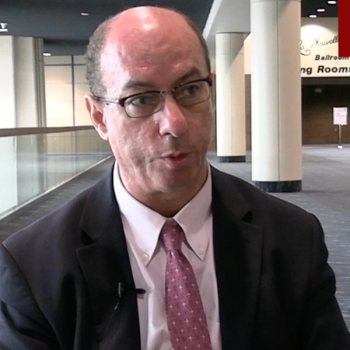
NIDA research director Carlos Blanco-Jerez, MD, PhD, reviews how stigma, language barriers and digital health create disparate outcomes in mentally-ill Hispanic patients.

Lois Choi-Kain, MD, MEd, discusses her field's interest in improving the modern diagnosis and evidenced-based treatment of personality disorders.