

Despite being one of the most common dermatologic conditions, the etiology of chronic pruritis is still unknown, and conventional medication may not always result in a good therapeutic response.
Despite being one of the most common dermatologic conditions, the etiology of chronic pruritis is still unknown, and conventional medication may not always result in a good therapeutic response.
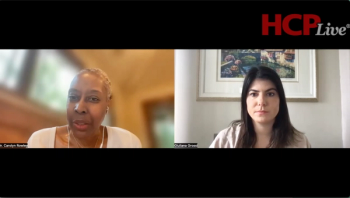
Dr. Carolyn Rowley talks about the Cayenne Wellness Center's mental health initiative for individuals with sickle cell disease and shares the story of one of her first patients.

A significant decrease in SII, SIRI, CRP, and UAS-7 was observed in the third month of omalizumab treatment, and the responder groups at 3 and 6 months of treatment had significantly higher baseline SII and SIRI levels than non-responders.
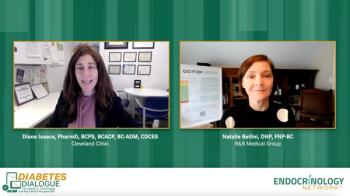
In this episode of Diabetes Dialogue, hosts Drs. Isaacs and Bellini take a deep dive into the tirzepatide approval, including discussions around the mechanism of action, dose titrations, and where it might fit in the upcoming ADA standards of care. Later in the episode, hosts recap their experiences from AACE 2022, which saw the release of new guidelines for NAFLD.

The bioactive triterpenoid saponin was associated with edema in treated patients.
Christian Lillis of the Peggy Lillis Foundation for C. Diff Education & Advocacy discusses the need for greater industry-organization support and drug development.

In this interview, Dr. Wonder Drake shares physician resources and explains the unique presentation of sarcoidosis and how it varies by region.

However, the presence of residual IRF was associated with substantially worse BCVA at last study observation and less improvement of BCVA from baseline.

New data suggest pediatric patients with a history of cardiac arrest are highly susceptible to hospitalization if infected with SARS-CoV-2.

Presence of chronic liver disease, prior use of gabapentin and being discharged to a long-term hospital or rehabilitation center are among some of the factors associated with a new opioid use disorder diagnosis.

About half of a cohort of nearly 800 patients said they experience ocular symptoms.

The first controlled trial of the combination therapy shows its benefit in 6-week depressive symptom improvement versus lone bupropion.

Sickle cell warriors are empowered to be part of the research and to be part of the solution, Regina Hartfield says.

Both the regulation of cues intervention and ROC with behavioral weight loss were found successful in individuals with high levels of food responsiveness.
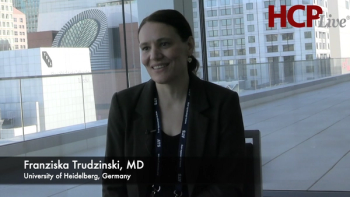
Dr. Trudzinski speaks of the importance of diagnosing sex-specific pulmonary and extra-pulmonary comorbidities in women with COPD, as well as the lack of research regarding COPD prevalence in women.

A South Korea in-hospital assessment found that approximately half of all ordered CDI tests did not meet recommendation standards.

Safety and efficacy data for the oral asthma therapy was presented at a late-breaking session at ATS 2022.

Investigators defined AHR as “a hallmark of persistent asthma”, noting that it could also be assessed via indirect challenge with mannitol.

In particular, airway epithelial cells (AEC) in allergic asthmatic (AA) were shown to upregulate mucus metaplasia, matrix-remodeling, and glycolytic programs while failing to upregulate antioxidant genes.

Isatuximab in combination with carfilzomib and dexamethasone (Kd) demonstrate the longest median progression free survival (mPFS) on a proteasome inhibitor backbone in multiple myeloma patients who relapsed after a prior therapy, including lenalidomide.

With this new decade-long cohort, Dr. Chen notes that researchers are "one step closer to a more accurate view of what sarcoidosis may be like in the United States", with has been suggested to be more prominent in African American communities.

A post-hoc analysis of the VOYAGE study also found that the biologic improved the percent predicted pre-bronchodilator FEV1 in this patient population.

Dr. Chatterjee cites an urgent need for new treatment strategies, adding that reducing airway iron could result in a decrease in the production of aspergillus fumigatus proteases.

New data suggest prediction of SARS-CoV-2 and bacterial co-infection or superinfection could be provided for hospitalized patients.

Implementation of the USPSTF 2021 and ADA 2022 guidelines would increase screening eligibility by approximately 6 to 7 percentage points.
Investigators who say that assessing vaso-occlusive crises solely through medical utilization doesn’t provide a full picture of the SCD experience because many VOCs are managed from home, are now backed by research.

Both exogenous hyperthyroidism and exogenous hypothyroidism were associated with increased risk of cardiovascular mortality.
Dr. Carolyn Rowley is leading the California Sickle Cell Disease Mental Health and Wellness Initiative to provide mental health services free to people living with sickle cell disease.

Dr. Au spoke of how the new data provides an opportunity to think about how lifestyle intervention focused on weight and moderate exercise can actually have meaningful impacts on patients with COPD.
This model was responsible for correctly identifying 73% of patients with pulmonary arterial hypertension 6 months prior to a confirmed diagnosis.