

Expert nephrologist Dr. Rajeev Raghavan elaborates on the American Diabetes Association guideline updates for patients with diabetic kidney disease during Pri-Med West.
Expert nephrologist Dr. Rajeev Raghavan elaborates on the American Diabetes Association guideline updates for patients with diabetic kidney disease during Pri-Med West.
Dr. Rajeev Raghavan talks about the role of SGLT2 inhibitors and GLP-1 receptor agonists as new therapeutics available to slow progression of chronic kidney disease.
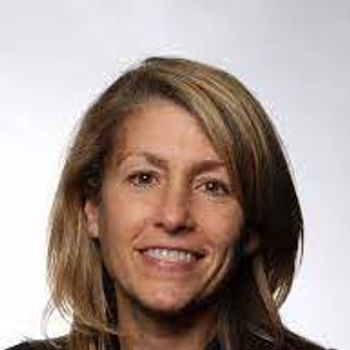
Jennifer Green discussed weight management and obesity during the annual Pri-Med West conference.
Pri-Med West presenter Dr. Rajeev Raghavan highlights the key points of his nephrology talk and identifies trending topics in the field during an interview.
Type 2 diabetes can be more aggressive in younger patients.
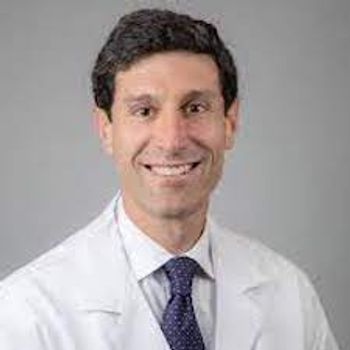
There is concern for cardiovascular patients over missed screenings during the pandemic.

Though minocycline therapy has been effective in treating acne, it can often leave erythema and hyperpigmentation which can be mitigated via Intense Pulsed Light.

On the heels of the FDA approval of viloxazine extended-release capsules for adult ADHD, a neuropsychiatrist discusses the state of care and diagnosis among older patients.

In this special edition ATTD Recap episode of Diabetes Dialogue: Therapeutics, Technology, & Real-World Perspectives, hosts Drs. Diana Isaacs and Natalie Bellini provide insight from ATTD 2022, including the latest updates in the world of diabetes smartphone apps, smart insulin pens, and CGM systems.
The pandemic has removed some of the barriers of medicine.
Phone communication may have decreased in recent years among doctors.

In the first episode of this new game show, a team of ARVO 2022 investigators work to invent an innovative clinical trial.
Many people struggled with anxiety during the COVID-19 pandemic.

Data show 7 risk factors, many potentially modifiable, accounted for 85% of the risk of first AMI in young women and men.

Exact triggers in acute urticaria and chronic urticaria are largely unknown, with the success of identifying causes of AU varying between 21-68%.

Previous research has suggested that psoriasis could affect both fecundity and fertility, leading to spontaneous abortion and ectopic pregnancy.

From curative stem cell approaches to in-clinic subretinal injections, Arshad Khanani, MD, MA, navigates what the future drug class may entail.

There remains a need for more doctors that specialize in geriatrics.

An FDA decision could come as soon as this year. One expert stresses the need for improved screening, biomarker research, and patient communication beforehand.
Many patients, particularly older ones, are taking unnecessary medications.

The current registered dosing of the therapy is 30 mg twice daily, but the analyzed dosage of 20 mg has not yet been approved.

Early-stage prevention of modifiable risk factors may contribute to the prevention of neurodegenerative changes and diabetic retinopathy.

Similarly, patients affected by alopecia areata had higher odds of developing psoriasis.

Study author Arshad Khanani, MD, MA, discusses how the novel-targeting gene therapy candidate may uniquely benefit patients with treated retina disease.

The participants included more than 2,000 pregnant individuals at higher risk of preeclampsia.

AstraZeneca announced the phase 3 DELIVER trial has met its primary endpoint, with use of dapagliflozin associated with a statistically significant and clinically meaningful reduction in the primary composite endpoint of CV death or worsening heart failure in patients with HFmrEF and HFpEF.
Dr. Christine Rauscher details immunotherapy for seasonal allergies, which affect roughly 20 millions adults in the US

Theodore Leng, MD, MS, discusses his team's IRIS registry findings suggesting a need for quantifying how vision-loss patients are impacted by functional or quality-of-life measures.

The Lumipulse G β-Amyloid Ratio is the first in vitro diagnostic test for early detection of amyloid plaques associated with Alzheimers disease.

Study investigators used data from midlife checkpoints and late life checkpoints for participants without heart failure.