

The decision to initiate low-dose aspirin use for CVD prevention in adults aged 40 to 59 years with a 10% or greater 10-year CVD risk should be individualized.
The decision to initiate low-dose aspirin use for CVD prevention in adults aged 40 to 59 years with a 10% or greater 10-year CVD risk should be individualized.
Dr. Miriam Vos details the TARGET-NASH study, which indicated a higher prevalence of NAFLD in pediatric patients than previously thought.

New interim data from the RESTORE study indicates that more than 94% of participants preferred the once-nightly dosing of FT218.

There were key aspects that differed in the gut microbiota between patients with major depressive disorder and the healthy control group.
Each weight-loss regimen had similar success in obesity management, regardless of patients reducing their calorie consumption through time-restricted eating or through calorie restriction alone.

Voxelotor is the first and only FDA-approved medication for children with sickle cell disease.

Emergency medicine specialist urges hospitals to add methylnaltrexone to the hospital formulary after promising research shows the treatment's success with opioid-induced constipation.

EPSOLAY is the first and only micro-encapsulated benzoyl peroxide topical treatment shown to improve inflammatory lesions associated with rosacea
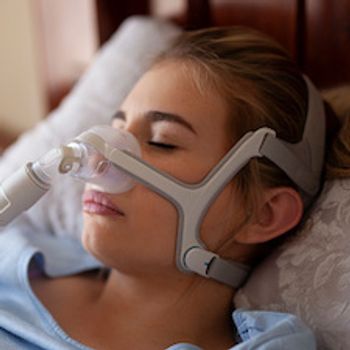
Currently, CPAP is the first-line therapeutic option for OSA. Despite this, investigators noted that many patients with OSA do not tolerate CPAP therapy.

Dexamethasone as a first-line treatment for DME may increase economic costs in settings where bevacizumab is used off-label, but lower annual costs compared with aflibercept.

The overall strength of association was directly related to the number of affected first-degree relatives and was modified by IBD subtype and age of diagnosis.

Stephanie Lovinsky-Desir, MD, MS, discusses key findings from the 2022 ALA State of the Air Report.
Mehdi Mirsaeidi, MD, MPH, Director of the ILD and Sarcoidosis Program at the Jacksonville College of Medicine, joins Lungcast to review the rare disease for Sarcoid Awareness Month.

Upper airway stimulation was initially shown to be effective in adults with obstructive sleep apnea.


Data show 15-mg edoxaban dose was superior to placebo in preventing stroke or systemic embolism in all 3 age strata studied, with higher incidence of major bleeding.

Rural patients identifying as Black had a more than 10% absolute increased risk of major leg amputation or death compared with the overall cohort with diabetic foot ulcers.

Erica Marsh, MD, MSCI, discusses the role of new drug classes like GnRH antagonists, as well as the adoption of remote screening options following COVID-19 response.
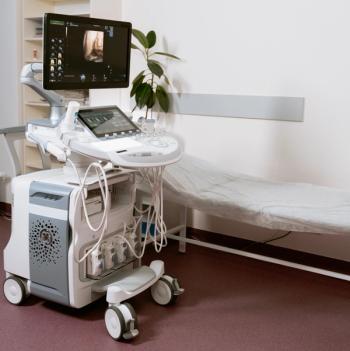
Investigators assess the connection between PAPP-A MoM and fibroid size in pregnant women.

Palliative care programs were challenging during the COVID-19 pandemic.

Erica Marsh, MD, MSCI, discusses the need for improved patient involvement and open discussion in the highly prevalent, potentially psychologically impactful condition.

Hemoglobin changes and the degree of surgery difficulty were significantly lower in the lidocaine plus epinephrine group compared with placebo.

Dr. Homa suggests many women consider freezing their eggs during their childbearing years.

Females were disproportionately affected by some of the restrictions put in place in the early stages of the COVID-19 pandemic.

methylnaltrexone is more effective, less costly, and can even keep some patients out of the hospital after being treated for opioid-induced constipation in the emergency department.

A group of experts discuss new and emerging therapies for IBD.

Double board certified dermatologist Dr. Karan Lal details targeted therapies and surgical treatments for vitiligo and how the condition is perceived by different cultures.

Patients from the lowest BMI, HbA1c, SBP, and LDL-C population quartile had 3.9, 3.8, 1.9, and 0.9 years of additional life expectancy, respectively.

There are several emerging treatments for C difficile infections.
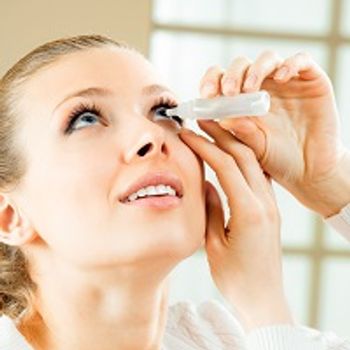
Data show visual display terminal use causes dry eye disease mainly through impaired blinking patterns.