

The 2022 State of the Air report from the American Lung Association highlights growing disparities in coastal-based ozone and particle pollution, amid wildfires and shifts in regulatory policies.
The 2022 State of the Air report from the American Lung Association highlights growing disparities in coastal-based ozone and particle pollution, amid wildfires and shifts in regulatory policies.

The VersiPD Cycler System is expected to be available in the US in 2022.

Dr. Stephanie Lovinsky-Desir speaks on the staggering new data from the 23rd annual "State of the Air" report by the American Lung Association.
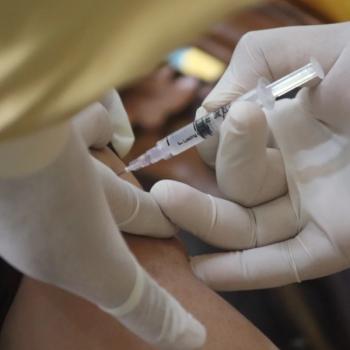
The company reported interim results at a meeting this week showing multiple formulations were tolerable and safe. Next comes a phase 2 trial.

The estimated annual progression rate to diabetes in older adults with HbA1c-defined prediabetes was 5.3%.
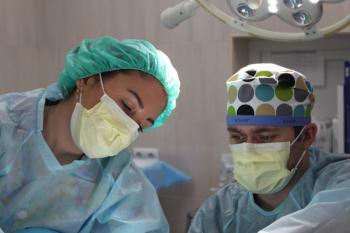
The long-term efficacy of fundoplication surgery has not previously been explored for the management of the symptoms of GERD.

Individuals in the intervention arm walked a mean of 647 more steps per day compared with the control arm.

A new method of opioid disposal was proposed by the FDA in an attempt to mitigate unauthorized access to opioids and lessen risk of addiction.

Investigators hypothesize that the development of culturally tailored interventions could prove beneficial for engaging racial and ethnic minority patients with data-driven insomnia treatment.

Dr. Brett King returns to discuss the impact of JAK inhibitors in the management of atopic dermatitis.

A large proportions of patients with C difficile infections do not respond to metronidazole.

Pregnant women with preexisting T1D or T2D had a higher rate of any DR and a higher DR progression rate compared to the nonpregnant population.
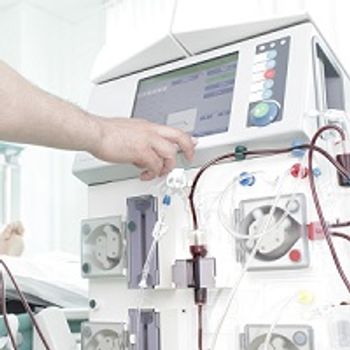
After adjustment for age and sex, data show the reduction in mortality rates in the patients receiving dialysis was greater than the general population.

New data suggests that symptoms of depression are screened in addition to symptoms of insomnia in affected patients.

About 1 in 5 recent novel drug approvals were based on data extrapolated to a broader patient population or in regard to a concomitant drug use, including the controversial aducanumab indication from 2021.

Acadia Pharmaceuticals evaluated the effects of its novel redox modulator drug on pain intensity levels of patients undergoing a bunionectomy.
Dr. Sarah Asch details therapeutic strategies for treating pediatric patients with vitiligo.

Patients with inflammatory bowel disease are at an increased risk of developing depression.
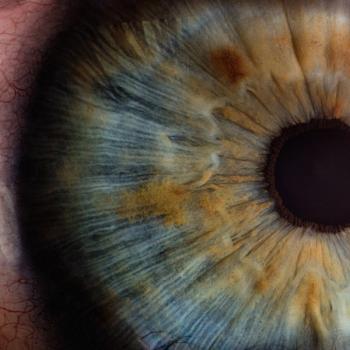
However, initially observed eyes were found more at risk of developing moderate visual loss and more than 80% required treatment over 24 months.

Students who reported maltreatment had 2.47 times the odds of receiving an insomnia diagnosis than those without adverse childhood experiences.

Bianca K. Frogner, PhD, discusses the prevalence of burnout and job dissatisfaction observed across various health care worker roles and settings.

New research shows diarrhea did not increase overall mortality for hospitalized patients.

Key themes such as a distrust in conventional therapies and non-conventional "cures" with no scientific evidence were observed.

Data show 80% of included patients had an increase of more than 20 points in Kansas City Cardiomyopathy Questionnaire summary scores.

From 2014 to 2020, there was significant increase in the frequency of preeclampsia or gestational hypertension, transfusion, preterm birth <37 weeks, and NICU admission.

Investigators suggested high-dose vitamin D could have beneficial effects on other health outcomes related to pneumonia and influenza.

Elapsed time following diagnosis, naïve biologic therapy status and previous use of only 1 biologic were associated with higher persistence rates.

An overview of the progress in hemophilia treatments and global access to gene therapy.

The investigative gene therapy achieved significant phase 3 endpoints, after receiving feedback from the FDA on its efficacy outcomes in 2020.

Outside of the ankle, knees and elbows were also commonly affected joints for patients with hemophilia.