
New research has suggested that approximately 2%-5% of patients with sarcoidosis also struggle with cardiac sarcoidosis.
New research has suggested that approximately 2%-5% of patients with sarcoidosis also struggle with cardiac sarcoidosis.
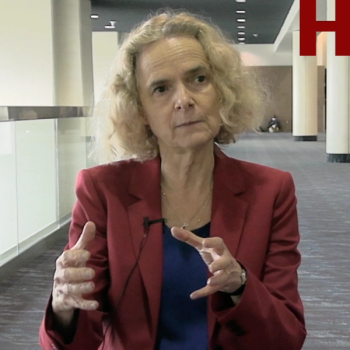
The director of NIDA discusses the unprecedented impact of the pandemic on overdose deaths—and how substance use disorder care may still reach greater capability when all is said and done.
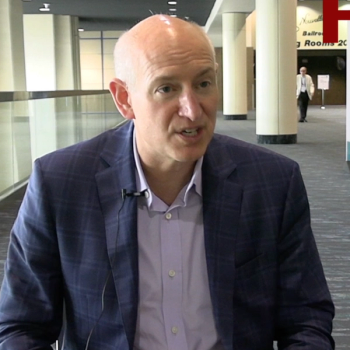
Dementia and Alzheimer's disease cases are anticipated to boom in coming decades. One expert stressed the need for improved screening and facilitation of care at the earliest stages and signs.
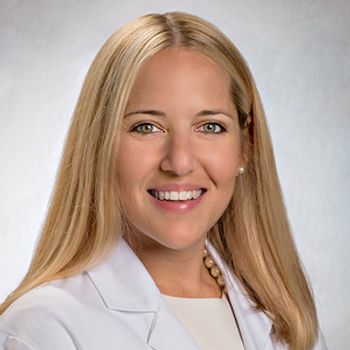
Data show the proportion of individuals with sustained clinical cure through Week 8 was 80.3% with CP101 treatment.

Initial studies have shown a 73% efficacy for FMT in treating patients with HVGD.

BMI did not have an association with increased risk for death in any BMI category, according to study investigators.
A look into the efficacy of ozanimod in patients with UC and the potential risk for cardiovascular events.

The live microbiota therapeutic has shown promise in treating patients with recurrent CDI.
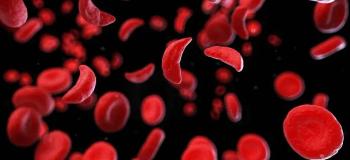
In a late-breaking presentation at ASGCT 2022, investigators shared preclinical results of a gene-editing strategy that seeks to reactivate developmentally silenced fetal hemoglobin (HbF, α2γ2) in order to replace defective sickle hemoglobin (HbS, α2βS2).

Patients who have IPAA are more than twice as likely to suffer from male sexual dysfunction.

Patients treated with TNF- antagonists had a higher deep remission rate compared to patients treated with ustekinumab.

Patients with IBD are often at an increased risk of developing NAFLD.
New data from DDW 2022 show inpatient mortality rates were lower in patients with history of bariatric surgery.

Dr. Blount discusses the DDW 2022 poster of distinction on the investigational live biotherapeutic.

Post-treatment, data show molecular age remained significantly greater than chronological age at a median difference of 18.6 years.
New phase 3 data presented at APA 2022 support the agent as an adjunctive in older patients without benefit from monotherapy antidepressant medication.

The data presented at DDW show similar safety and efficacy for the 2 treatments.
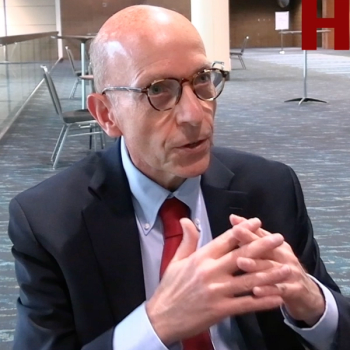
Montefiore psychiatry chair Jonathan Alpert, MD, PhD, discusses suggested updates to the DSM-5—with consideration to social determinants and patient-reported functioning.

Recurrence commonly occurred during the first 2 weeks regardless of treatment.
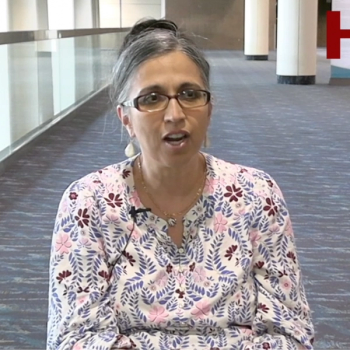
Linda Chokroverty, MD, discusses the role psychiatrists play in managing the mental health effects of disasters, and how children specifically may be impacted.

Both post-transplant PPI and histamine-2 receptor antagonist use were independently associated with reduced risk of 1-year mortality.
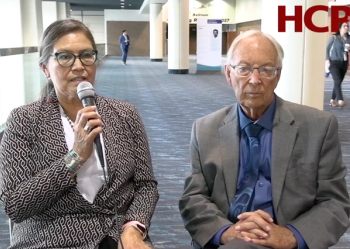
A pair of psychiatrists discuss how climate change and other social determinants of health are affecting the mental wellbeing of indigenous people.

DASH diet was inversely associated with NAFLD risk, independent of BMI changes.

The treatment did not improve sustained virologic response but did increase the rate of treatment-related adverse events.

There remains a need for longer-term observational studies comparing the 2 treatments.

It takes even more than a village to provide the comprehensive care needed for aging, neurocognitive patients, says Rajesh R. Tampi, MD, MS.

A 6-year mirror analysis of risperidone, once-monthly paliperidone palmitate or once-monthly aripiprazole concludes suggesting the regimens may serve as an alternative to clozapine.

Sarcoidosis expert Dr. Wonder Drake got into the field after diagnosing a patient with the disease early in her career. In this interview she explains the best way to approach a suspected case of sarcoidosis.

Dupilumab is the first treatment in the US indicated for adults and pediatric patients over 12 years with EoE.

Guselkumab was effective in patients with previous biologic therapies, comorbidities or psoriasis manifestation in difficult-to-treat areas.