

Data from SLEEP 2022 suggests children with OSA may have faced worse psychosocial burden during the pandemic.
Data from SLEEP 2022 suggests children with OSA may have faced worse psychosocial burden during the pandemic.
The findings presented at SLEEP 2022 differ from previous studies that evaluated the objective-subjective sleep patterns of this population.
The agency also granted rare pediatric disease designations for inclacumab and GBT601.

A new study from SLEEP 2022 showed asthmatic children have a 10 times greater risk of the condition, and are twice as likely to have a history of snoring.
New SUNRISE 2 data show a subjective, dose-dependent, and disease severity-dependent benefit with the insomnia therapy.
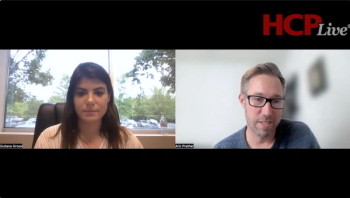
Sleep expert Aric Prather, PhD, presented a discussion at SLEEP 2022 that focused on how the immune system and sleep are related to the "ongoing and protracted" impact of the COVID-19 pandemic.

New phase 3 data from the STRATUM trial found that 80.1% of individuals treated with roflumilast foam achieved "IGA Success" compared to 59.2% of patients treated with vehicle at week 8.

The FDA-approved sleep agent was associated with ≥5% weight loss in more than one-quarter of patients in a phase 3 trial.

The mean time below range following exercise sessions was significantly lower with IGlar U300 compared to IDEG at the 100% dose.
The late-breaking findings at ADA 2022 suggest patients were more often prescribed oral semaglutide by primary care physicians than endocrinologists.

Prof. Hertzel Gerstein discusses new ELIXA biomarker findings from ADA 2022.
However, the post-hoc analysis found a greater variability in HbA1c levels was associated with increased risk of cardiorenal outcomes.

The diabetologist and professor discusses new findings from the ReTUNE trial, which disparage the utility of BMI in defining diabetes risk and remission opportunity.
New post hoc data from the STEP 1 and 4 trials show an approximate 60% risk reduction of type 2 diabetes over 10 years versus placebo.

A month and a half after topline results were announced in April, full data from SURMOUNT-1 was presented at ADA 2022 and demonstrate tirzepatide in 5 mg, 10 mg, or 15 mg doses provides superior weight loss compared to placebo therapy, with this weight loss maintained throughout the duration of the trial.

In recent years more and more biologics have come on the market for the treatment of IBD.
A Montefiore residency director explains the impact of engaging with communities to improve mental health care capability.

A greater reduction in UACR was observed with finerenone in patients taking GLP-1RA at baseline.
Expert Dr. Mikkael Sekeres treats patients with bone marrow diseases and in this episode he talks about treatment methods, clinical trial obstacles and the importance of reliable sources when it comes to rare conditions like MDS and AML.

Uninsured adults with low income in nonexpansion states experienced worse access and cardiovascular risk factor management compared to insured adults.

Prematurity was also linked to infant regurgitation, infant colic, infant dysphasia, and functional constipation.

Thinning across the PMB associated with poorer VA at 9 months’ corrected age, independent of gestational age and macular microanatomy.
In data presented at DDW, there was no evidence found showing biologics result in an increased risk of developing malignancies for patients with IBD and PSC.

For pediatric patients, the anti-HBs (+) rates were relatively stable at approximately 60%, but the anti-HBc (+) rates increased significantly with age.

HDL-C level >80 mg/dL was associated with higher risk of all-cause and cardiovascular death in patients with CAD, compared with those with normal HDL-C levels.

Montefiore's Carol A. Bernstein, MD, discusses the role of psychiatry specialists in discerning their colleagues' need for mental health care or resolutions to burnout.

The majority of treatment emergent adverse events were mild to moderate in severity.

The study authors suggest a thinner macular RNFL may predict a decline in cognitive performance.

Despite being rare, little is known regarding the pathophysiology of DLLR following COVID-19 vaccination.
Dr. Brown and Mr. Zavodnick speak on the first and only FDA-approved steroid-free topical medication in its class approved for psoriasis, and the data that bolstered this approval.