

In part 2 of the discussion, experts discuss recommendations around protein intake, including controversy and misconceptions.
In part 2 of the discussion, experts discuss recommendations around protein intake, including controversy and misconceptions.
In the opening segment of this special report, a trio of experts discuss what's new in the 2025-2030 Dietary Guidelines.

This secondary analysis of the phase 3b SOUL cardiovascular outcomes trial indicates oral semaglutide’s potential capacity to reduce HF events.

Reau and Brown are joined by Amanda Van Jacobs, MS, RDN, and Jessica Mellinger, MD, to discuss the new dietary guidelines through the lens of liver health.

Delay discounting links to residual depression symptoms but does not predict relapse after stopping antidepressant treatment in patients with remitted MDD.
In this Maui Derm Hawaii 2026 interview, key takeaways on contact dermatitis treatment strategies are highlighted by Liszewski.
Catch up on hepatic FDA news, expert insights on PBC and MASH developments, & more.

Longitudinal data identify aromatic lactate–producing bifidobacteria and the metabolite 4-hydroxy-phenyllactate as key factors in early immune tolerance.
January 2026 Hematology Month in Review highlights new ASH and KDIGO guidelines, FDA approvals, and pipeline progress in rare blood disorders.

FDA approvals, priority review decisions, and new data on treatment response and mechanisms highlight a month of progress in MDD and ADHD.
This interview at Maui Derm 2026 highlights notable takeaways regarding psoriasis treatment strategies and emerging therapies.

Sorajja describes his team’s operation to implant the ring via a novel trans-septal system, effectively avoiding the need to stop the heart in MR treatment.

In this analysis presented at Maui Derm, indirect comparisons were made between risankizumab and icotrokinra in patients with psoriasis.

January 2025 saw new data and guidelines in asthma, COPD, and pulmonary fibrosis.
FDA clears pediatric HAE oral therapy as intranasal epinephrine and heat-treated peanut/egg OIT studies point to safer allergy care.

Eliezer Katz, MD, says investigational anti-CD40L therapy tegoprubart shows promise as a non-calcineurin inhibitor option for adult de novo kidney transplant patients

Despite usability concerns cited by the FDA, investigators say dibutepinephrine’s needle-free, portable design could still address gaps in real-world epinephrine use.

Anouti describes clinical uncertainties regarding signs of cholestatic liver disease, like jaundice, in patients with skin of color, and how this may impact transplant outcomes.

AbbVie’s upadacitinib (Rinvoq) has had its regulatory applications submitted to the FDA and the EMA, with the drug being indicated for adults and adolescents with vitiligo.

These data from the ongoing VESPER-3 phase 2b study highlight PF’3944’s capacity for reducing weight across 4 weekly-monthly dosing arms.
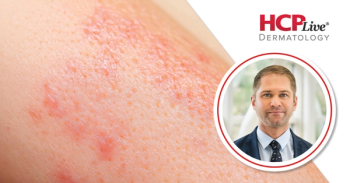
This Q&A interview with Drew Kuraitis, MD, PhD, highlights Kuraitis’s talk on strategies for cutaneous adverse events linked with therapeutic agents in oncology.

Catch up with major trial results, key FDA approvals, and more.

TACITO phase 2a suggests an improvement in clinical outcomes for patients with mRCC with fecal microbiota transplantation

Greene discusses his recent study highlighting the limitations of quadruple therapy in reducing mortality and hospitalization rates among patients with HFrEF.

Recent pooled analysis data suggest consistently low adverse event rates with upadacitinib over 7 years for patients with atopic dermatitis.
Catch up on disparities in IBD care, a potential new IBS drug, new insight on diet’s role in Crohn’s disease care, & more.

Catch up with major FDA decisions, key guidelines updates, and more.

The resubmission follows a prior Complete Response Letter (CRL) that identified chemistry, manufacturing, and control (CMC) issues.

FDA decisions, KDIGO guidelines, and federal nutrition updates redefine kidney care in January 2026

These new phase 2 INTEGUMENT-INFANT study findings point to the efficacy and safety of roflumilast cream 0.05% (Zoryve) in infants with eczema.