

Patients with atopic dermatitis treated with camoteskimab saw significant reductions in their mean EASI score at Week 16 compared to placebo.
Patients with atopic dermatitis treated with camoteskimab saw significant reductions in their mean EASI score at Week 16 compared to placebo.

In this analysis, the degree to which each dermatological condition impacts biological aging was highlighted using epigenetic clocks.


Arora discusses the results of Bristol Myers Squibb’s observational study and the implications it has for the study of obstructive HCM and cardiology at large.

This letter explores off-label dosing adjustments for patients with psoriasis using the IL-17A inhibitors secukinumab and ixekizumab.
MDMA’s CRL, now available to the public, cites gaps in safety data, selection bias, and limited durability.

Stewart reviews clinical pearls for performing rectal exams and explains common mistakes and misdiagnoses as well as how to avoid them.

An audio recap of the top 5 stories in healthcare news from the week of 9/5-9/13.

Moore discusses the importance of individualizing PBC treatment now that multiple second-line therapies are available.

Real-world data show epinephrine nasal spray achieved an 89.2% success rate in treating anaphylaxis, nearly identical to the injection’s response rate.
The US Food and Drug Administration has approved bumetanide nasal spray for the treatment of edema in outpatient heart, liver, and kidney diseases.

This episode highlights the challenges of navigating demanding medical careers while raising young children, with insights and practical strategies.
The label update expands the treatment eligible population to include dystrophic epidermolysis bullosa patients from birth and allows at-home application.

New research from Stockholm, Sweden, has shown the correlation between smoking and insulin sensitivity, with genetic susceptibility increasing the risk further.

This review highlights several evidence-based approaches to promoting skin longevity and preventing signs of aging.

Stay updated with the latest healthcare breakthroughs, including FDA news and the voluntary withdrawal of obeticholic acid, in this week's essential news roundup.

Research shows reduced risk of death, major adverse cardiovascular events, and myocardial infarction, and a non-significant reduction in stroke and cardiovascular death.

Akin discussed updated data on elenestinib from the HARBOR trial in indolent systemic mastocytosis.

These interviews with Chovatiya and Stein Gold highlight a variety of key points from the dermatology-centric EADV Congress 2025 meeting in Paris, France.

In over 500 patients, a single dose of neffy achieved an 89% success rate, matching injection outcomes and supporting its use as a needle-free alternative.

Gandhi describes the crucial role APPs play in GI bleeding care and the importance of collaborative management of these patients.
Red light photodynamic therapy with 10% ALA gel shows superior clearance rates compared to vehicle treatment.

Ugras describes recent evolutions in EoE, including new FDA-approved therapies, updated clinical guidelines, and better understanding of its pathophysiology.
Compared to standard devices, the first-of-its-kind AIRE-CHB model indicated incident CHB risk, outperforming standard ECG devices.

In this study, investigators assessed how the prescription patterns of biologics, non-biologic systemic agents, and phototherapy are altered after cardiovascular events.
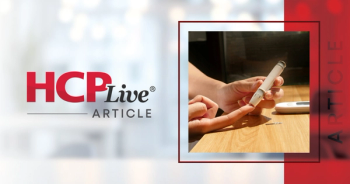
Pediatric patients with type 1 diabetes often have severely limited access to care, allowing very few to achieve HbA1c goals.
A new position paper established an evidence-based definition for systemic corticosteroid (SCS) duration in individuals with atopic dermatitis.

Garimella describes recent progress in renal xenotransplantation, uncertainties that still need to be addressed, and how he sees it impacting the field moving forward.
Life’s Essential 8 scores are substantially lower among adults aged ≥65 years who exhibit high blood pressure, stroke, or other cardiovascular diseases.

Intercept Pharmaceuticals has voluntarily withdrawn obeticholic acid from the US market following a request from the FDA.