

In this observational analysis, investigators highlight the potential causal link identified between NHHR and psoriasis development.
In this observational analysis, investigators highlight the potential causal link identified between NHHR and psoriasis development.
An audio recap of the top 5 stories in healthcare news from the week of 08/31-9/5.
Cadisegliatin, a potential first-in-class oral treatment for type 1 diabetes, has been granted Breakthrough Designation by the FDA.
Explore the latest advancements in diabetes technology, including FDA-approved insulin pumps and innovative CGMs for weight management.
Investigators explored the characteristics of pediatric-onset hidradenitis suppurativa, emphasizing the need for earlier detection to expedite diagnosis.

Stay updated with the latest healthcare breakthroughs, including FDA news and phase 3 clinical trial data, in this week's essential news roundup.

FDA expands Vonvendi approval for all von Willebrand disease types, enhancing treatment options for adults and children with this rare condition.
Semaglutide exhibited a 57% reduction in major adverse cardiovascular events compared to tirzepatide in patients with CVD with no prior history of diabetes.
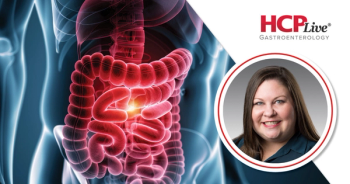
Stewart explains recent advances in eosinophilic gastrointestinal diseases and breaks down new ACG EoE guidelines.
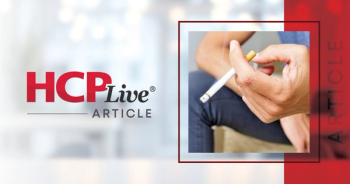
A study links paternal prepubertal passive smoke exposure to impaired lung function in offspring.
Hosts explore the latest findings on GLP-1 medications, semaglutide and tirzepatide, from ESC Congress 2025.
Despite not lowering cardiovascular death or worsening heart failure, composite data did suggest the efficacy of in-hospital initiation of SGLT2 inhibitors.
NB-UVB phototherapy was highlighted in this study, with positive findings suggesting the treatment is an effective oral cyclosporine alternative.
Fava discusses promising phase 2b trial findings: a single 100 μg dose of MM120 rapidly reduces GAD symptoms by day 2, with benefits lasting 12 weeks.
A lower incidence of all-cause mortality and hospitalization for worsening heart failure proved digitoxin’s noninferiority in this phase 4 trial.
August 2025 saw a number of novel approvals and expert perspectives for World Lung Cancer Day.
The death rate from high blood pressure-related kidney disease increased by 48% from 1999-2023, with notable disparities by race, ethnicity, sex, and region.

Agios announces a 3-month extension for mitapivat's FDA review.
Investigators highlighted the cardiovascular safety of systemic treatments for psoriasis such as methotrexate and tumor necrosis factor inhibitors.
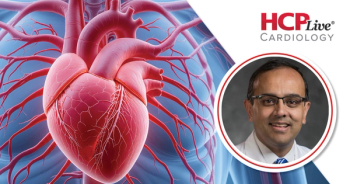
Patel addresses the updated AHA/ACC hypertension guidelines, explaining important features and highlighting the potential of newer therapies.
A phase 2b trial finds a single 100 μg dose of MM120 reduced GAD symptoms with benefits lasting 12 weeks, highlighting the promise of psychedelic therapy.
Amlitelimab met its primary and key secondary endpoints in the COAST 1 phase 3 study of adults and adolescents with atopic dermatitis.
This analysis highlights bimekizumab’s impact on psoriasis clearance compared to ustekinumab, secukinumab, and adalimumab.
A 30-week trial found weekly semaglutide reduced HbA1c while improving physical quality of life in patients on antipsychotics.
Findings highlight a 33% increase in 1-year and nearly 50% increase in 5-year post-transplant survival with a living versus deceased donor transplant.
Bhalla breaks down the newer treatments included in the recently updated AHA/ACC hypertension management guidelines.
A recap 8 clinical trials in cardiovascular care to know from the European Society of Cardiology Congress 2025.
A study shows that sex modifies HRQL outcomes in peanut OIT: males benefit most from active treatment, while females show strong placebo gains.
Salvatore Viscomi, MD, warns CKDu is a growing global health crisis, driven by heat stress, toxins, and occupational risks in vulnerable populations.