

Opinion|Videos|August 14, 2024
True Prevalence of Hypercortisolism
The panel of medical experts discuss the prevalence of hypercortisolism based on the CATALYST trial.
Advertisement
Episodes in this series
Video content above is prompted by the following:
- What were the key findings from Part 1: Prevalence phase of the CATALYST study?
- How does the data from the CATALYST trial change the narrative about the true prevalence of hypercortisolism in diabetes?
- How does this prevalence data fit with the growing body of evidence regarding autonomous adrenal cortisol secretion?
- How would you respond to clinicians that reference “false positives” or “pseudo cushings” as an explanation to these findings?
Advertisement
Related to this article

In a phase 2 decentralized study, once-daily trientine tetrahydrochloride improved convenience and adherence in Wilson disease; 80% preferred it.

Type 2 biologics reduced mucus plugs in asthma trials, and quantitative imaging may help detect this treatable phenotype, according to a GOLD 2026 session.

In adults with late-onset PFIC, odevixibat improved pruritus within 3 months in a real-world study at presented at The Liver Meeting 2026.
CT-detected mucus plugs affect up to 67% of patients with COPD and are linked to worse lung function, exacerbations, and mortality, even without symptoms.

In patients with compensated MASH cirrhosis, Baveno VII and ANTICIPATE-NASH showed moderate agreement with HVPG and underestimated CSPH prevalence.

Robert Mentz, MD, discusses mentorship, trial recruitment, journal growth, and surgical partnerships in heart failure care.
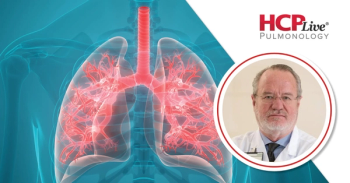
At GOLD 2026, Alvar Agustí, MD, PhD, speaks on COPD underdiagnosis and misdiagnosis, barriers to spirometry in primary care, and managing pre-COPD.

In the phase 2b VISTAS trial, volixibat improved sleep vs placebo in PSC with cholestatic pruritus, and itch responders saw greater fatigue and sleep gains.
Advertisement
Advertisement
Trending on HCPLive
1
Real-World Resmetirom Data Show Liver Stiffness Gains in MASH
2
Conference Preview: 2026 GOLD International COPD Conference
3
IDEAL: Seladelpar Achieves ALP Normalization in Second-Line PBC
4
Oral STAT6 Degrader KT-621 Reduces EASI by 62.6% in Atopic Dermatitis
5