





Asthma
Latest News
Advertisement
Latest Videos






CME Content




























































Advertisement
More News

Dr. Rizzo provides a look into the current methods of COPD screening, and how patient treatment potential is changed.

Particle-depleted diesel exhaust may impair a person's lung function worse than just standard diesel exhaust—while also exposing them to more NO2.
How do at-risk exacerbation patients present, and what developing therapies could benefit them?
Air pollution is driving pediatric risk for lung disease. Are there therapies at hand to address it?

Investigative triple therapy PT010 from AstraZeneca has reached primary outcome results versus a pair of standard dual inhaled therapies.

A study comparing the LABA agent to maintenance therapy showed results supporting recent GINA recommendations for mild asthma management.
What is the large-scale study looking to bring to clinical respiratory health understanding?
In what ways do the respiratory conditions differentiate in progression and care options?
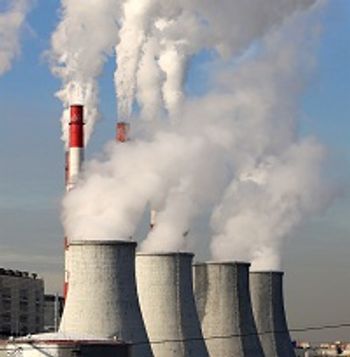
A 600-city analysis of particulate matter found daily exposure is linked to worsened mortality rates, particularly in areas with higher mean temperatures.

In a population-based cohort study, investigators discover how allergy immunotherapy helps allergic rhinitis from progressing to asthma.

The first longitudinal study to assess air pollution and emphysema progression provides novel long-term findings.

A new study found significantly greater COPD development risk among middle-aged women who eat processed meat—and doubly worse risk for those who also smoke and have unhealthy diets.

Analysis from the CARDIA Lung study found patients with worsened FEV1 are at greater risk for emphysema, regardless of their smoker status.

A secondary analysis of a 10,000-patient study has linked lower levels of serum albumin to apnea risk in hospitalized infants.

How physicians can use their academic, practice, and local legislative networks to improve awareness on their patients’ struggles.
A recent study of more than 300,000 found that exposure to outdoor air pollution is linked to decreased lung function and an increased risk of COPD.

Regardless of which care provider is diagnosing and treating the patient, all must be aware of the treatment access burdens.

Both symptomatically and financially, patients and clinicians struggle to manage the condition in lieu of a cure.

The burdensome, inflammatory chronic condition is highlighted by difficult diagnoses and screening options. How is research advancing to improve care?

After showing the ability to regain patients' senses of smell and taste in a pair of phase 3 trials, the biologic becomes the first indicated for CRSwNP.

A team from Johns Hopkins assessed pediatric patients in Baltimore—an area with severe rates of asthma, indoor air pollution, and poor diets.

A three-arm clinical trial of the SAMBA program showed that screening for and tailoring to individuals' asthma needs improves their condition management.

Dysfunctional breathing is a common comorbidity in patients with severe asthma, and is associated with increased patient anxiety and depression.

The signs and symptoms of the rare, chronic condition are not consistently detected in the first line of care.

Neighborhoods redlined in the 1930s continue to feel the effects of the racially discriminatory practice, including differences in asthma-related emergency visits.
Advertisement
Advertisement
Trending on HCPLive
1
FDA Approves Obinutuzumab (Gazyva) for Idiopathic Nephrotic Syndrome
2
The Case for Routine Kidney Screening, With Pranav Garimella, MBBS, MPH
3
Hereditary Angioedema Triggers, Prodromes Mapped in US HAEA Registry
4
The HCPFive: Top News for Healthcare Providers from the Week of 09/20
5