



Geriatrics
Latest News


Ugochi Ohuabunwa, MD: Preparing Patients for the Postdischarge Transition of Care
By Tim Smith
Ugochi Ohuabunwa, MD: Tips for Inpatient Geriatric Management, Frailty Assessment
By Tim Smith
Advertisement
Latest Videos




CME Content























































Advertisement
More News

A new study found the perceived onset of old age rose nearly 3 years from 1911 to 1953.

A poll found people were more likely to use alternate health care sites if they were women, aged 50 – 64 over 65 – 80 years, and had a household income of < $60,000.
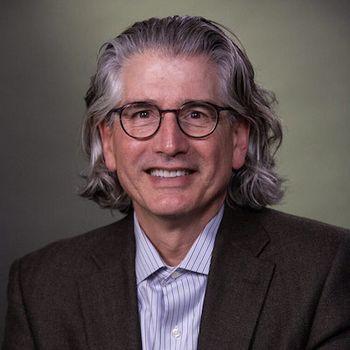
In this segment of his interview, Leff described what he hopes internal medicine physicians viewing his talk walk away realizing about Hospital at Home.
At the ACP Internal Medicine Meeting, Leff described the outcomes and implementation of the ‘Hospital at Home’ program for elderly adults.
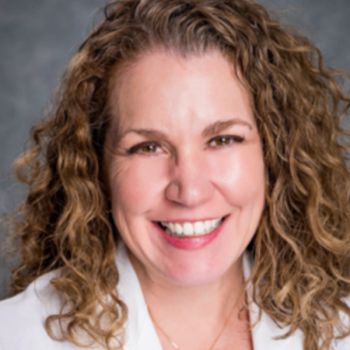
Markland discusses the use of anticholinergics, beta 3-agonists, and nonpharmacologic treatments for urge urinary incontinence, based on her session at ACP.
This data presented at ACP Internal Medicine 2024 highlights several important findings on older adults, dementia, dual-tasking, and cognitive decline.

This ACP Conference interview featured a discussion with Inouye about gaps in knowledge regarding patients experiencing delirium during hospitalization.

Most patients with AMD and glaucoma demonstrated standard postural control and a lower fall risk than patients with vestibular disorders.

The study highlights how the experience of loneliness for care partners of people with dementia changes relationship roles throughout the dementia trajectory.

A trial demonstrated the reliability and validity of a smartphone app’s capability of detecting frontotemporal lobar degeneration.
In a new study, investigators evaluated if social contact influenced the age gap between biological age, estimated with artificial intelligence (AI), and chronological age.

In a recent UK study, more than half of stroke survivors developed depression within 18 years.

A new study found older adults who are frail are less likely to engage in social interactions, which can cause them to lose social contact and create loneliness.

The study found being underweight was linked to age-related hearing loss for males, but for females, both underweight and obese were linked to hearing loss.

People of increasing age and worse socioeconomic status were more likely to be unwilling-in-principle to participate in home-monitoring vision tests.

Older adults who are ≥ 90 years old, have dementia, are frail, and are undergoing vascular surgery have greater hospital readmission rates within 180 days.

A new study found cardiovascular risks can last ≥ 3 years after PM2.5 exposure.

A new study found a greater sleep apnea risk was linked to verbal episodic memory decline and worse sleep quality was linked to executive function decline.

Worse examination-based and self-reported vision impairment was associated with depressive and anxiety symptoms among adults aged ≥65 years.

A new study found patients with Parkinson’s disease have a lower daytime light exposure with a mean light intensity of 201.1 lux than controls with a light intensity of 337.7 lux.
A new study found there was a J-shape relationship between dietary thiamine income and the 5-year decline rate in the global and composite cognitive scores.

A new study found the Healthy Patterns Sleep Program—where people have timed activities aligning with circadian rhythms—improves the quality of life after 4 weeks for individuals with cognitive impairment.

Older adults who use a salt substitute had a 40% lower incidence of experiencing hypertension than people who use regular salt.

After 18 months of informing clinicians about the harm of unnecessary screenings, PSA screening among men aged > 76 years fell from 32 per 100 people to 28.5, unspecified urine screening fell from 33.7 to 24.2, and diabetes overtreatment fell from 20.0 to 16.7.
According to a new study, overall outpatient mental health care increased from 11.2% to 12.4% between 2018 and 2018. However, for individuals with serious psychological distress, the rate of care decreased from 46.5% to 40.4%.
Advertisement
Advertisement
Trending on HCPLive
1
FDA Approves Once-Monthly Subcutaneous Olanzapine for Schizophrenia
2
Tilrekimig Meets EASI-75 Goal in Atopic Dermatitis, With Eric Simpson, MD
3
Tips on Optimizing HS Biologics, Combinations, and Surgery
4
Why "Normal" Ferritin Can Miss Iron Deficiency, With Jacquelyn Powers, MD, MS
5