






























































Discussing the latest data from Adverum Biotechnologies related to ADVM-022 and the ongoing phase 1 OPTIC trial with the trial's principal investigator.
Discussing the latest data from Adverum Biotechnologies related to ADVM-022 and the ongoing phase 1 OPTIC trial with the trial's principal investigator.
Research from ARVO 2020 suggest a 4-minute educational video could more than double compliance with patching in pediatric patients with ambylopia.

Discussing how end of study results from the phase 2 LADDER trial inform clinicians on the use of PDS with ranibizumab.

An analysis suggests different regimens evaluated for nAMD did not result in superior vision benefits compared with ranibizumab pro re nata or four-week dosing.

Virtual reality devices are proving to be practical and convenient way of screening for and monitoring glaucoma.

New research suggests the prevalence of depression and anxiety is greater among patients with diabetic retinopathy.
A new analysis of STAIRWAY from ARVO 2020 is shedding additional light on the effects of faricimab use.
A new review has found less than 50% of the information presented at conferences, including AAO and ARVO, never gets published in peer-reviewed journals.

The inventor of a digital therapeutic discusses the creation of what he calls a "software pill."

New research from an NIH-funded study suggest 0.004 mg bevacizumab could be an effective treatment for type 1 retinopathy of prematurity.
An analysis from the Women's Health Initiative has uncovered a potential link between visual impairment and risk of incident dementia.

Patients with TED might be particularly vulnerable to COVID-19 infections.

New data in JAMA Ophthalmology is examining the impact of ocular injuries from the NEISS database.

A new study in JAMA Ophthalmology is comparing 3 different pointwise methods for detecting visual field progression in patients with open-angle glaucoma.

New data from ENDO 2020 has uncovered a potential link between loss of meibomian glands and increased blood glucose levels.
Results of the 5-year Protocol T extension study are offering insight into the differences in real-world treatment and study protocol with anti-VEGF treatments.

Analysis indicated 31.7% of hospitalized patients had ocular manifestations and 50% of those with ocular symptoms had severe cases of COVID-19.
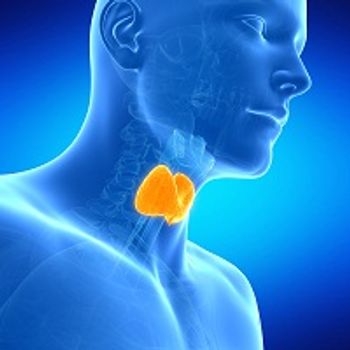
Study from ENDO 2020 assesses the effects of teprotumumab based on the age, gender, and smoking status of patients.
New research is shedding light on the impact pediatric strabismus has on the quality of life of children and their families.

Rishi Singh, MD, of Cole Eye Institute, discusses steps to take to help prevent the spread of coronavirus in ophthalmology practices.
Study data suggested that up to 80% of patients with Parkinson disease may have ophthalmologic symptoms.

With approval, the new implant becomes the first approved for lowering IOP in patients with open-angle glaucoma and ocular hypertension.
A new study examines how different types of chronic conditions were associated with different increases in risk of visual impairment.
The FDA announced the switch of the 2 eyedrops, which took place through their RX-to-OTC program.
Vitreoretinal surgeon discusses what ophthalmologists would need to see from a new treatment to replace aflibercept as first-line treatment for wet AMD.