





























































Treatment with subretinal transplantation of allogeneic human retinal progenitor cells showed promising early signs of efficacy as a treatment for individuals with retinitis pigmentosa.
Treatment with subretinal transplantation of allogeneic human retinal progenitor cells showed promising early signs of efficacy as a treatment for individuals with retinitis pigmentosa.

Results of the LEAVO trial presented at AAO 2019 reveal a low level of confidence among investigators for recommending bevacizumab treatment as equivalent to ranibizumab and aflibercept at 100 weeks.

AAV2/5-OPTIRPE65 showed improvements in vision-guided mobility, retinal sensitivity, and foveal-driven visual function for patients with RPE65-associated retinal dystrophy.

A phase 2 trial found that use of risuteganib resulted in 48% of patients with nonexudative age-related macular degeneration gaining 8 or more letters of BCVA.

A new study presented at AAO 2019 found the only FDA-approved pill for interstitial cystitis caused retinal damage in about 25% of patients who had been receiving the treatment.

Data from 2 phase 3 trials, which included more than 1800 patients, examining the efficacy and safety profile of abicipar for the treatment of neovascular age-related macular degeneration were presented at AAO 2019.

Data from a phase 1/2a study show RGX-314, a gene therapy from RegenX, was well tolerated and improved visual acuity in patients.

Results of the phase 1 OPTIC trial reveal ADVM-022 was effective at maintaining visual acuity in patients with wet AMD with a favorable safety profile.

Rishi Singh, MD, staff physician at Cole Eye Institute, discusses the most common myths he sees surrounding diabetic macular edema and its treatment.

New findings show nearly 2000 children in the US were hospitalized due to a gun-related ocular injury from 2008-2014. Most patients faced uncertain visual status going forward.
Novartis has announced the wet age-related macular degeneration treatment brolucizumab, which was backed by data from the HAWK and HARRIER trials, has received FDA approval.

Analysis of the FAST trial found that methotrexate performed better head-to-head than mycophenolate mofetil as a corticosteroid-sparing therapy.
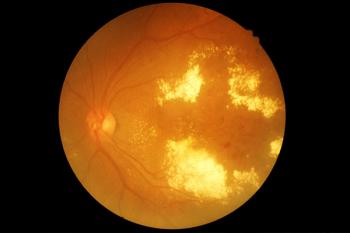
A review of 11 websites found that information available online to patients varies greatly in terms of quality, accuracy, and readability.
Kala Pharmaceuticals will continue with an ongoing phase 3 trial assessing the solution, and could resubmit its NDA in 2020.
The new FDA approval allows physicians to administer EYLEA in a prefilled syringe to treat retinal conditions with fewer preparation steps than vials.

Poor posture in surgical care has been long associated with worsened clinician health. It is no different in ophthalmology.

A recent study examining the effectiveness of an offline, automated smartphone-based AI system could be giving physicians a glimpse into the future of eye screening.
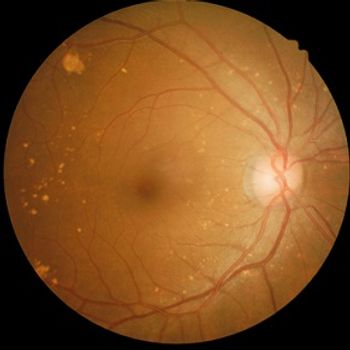
A study presented at ASRS 2019 found that the ranibizumab biosimilar (razumab) was noninferior to ranibizumab after 1 month of treatment.
A former D.C. healthcare attorney and founder of the Macular Degeneration Association discusses legal problems faced by retina specialists when providing care to their patients with AMD.

Chirag Jhaveri, MD, took part in a Q&A about the results of the phase 3 HAWK and HARRIER studies examining brolucizumab for treatment of nAMD.

Results of a study from investigators at the Retina Center of Minnesota found that same-day injections were preferred by more than 97% of patients.

Manjot Gill, MD, discusses the results of her study which found early diagnosis and treatment of neovascular age-related macular degeneration could help save a patient’s vision.

Artificial intelligence could be the future of detecting certain diseases in the eye, after a study presented at ASRS 2019 found that the EyeArt system was effective in detecting referable diabetic retinopathy from images.

Investigators presented 36-month results of a study which found that treatment with a single intravitreal injection of the FAi provided anti-inflammatory treatment for 3 years in patients with non-infectious uveitis affecting the posterior segment of the eye

Additional analyses of the phase 2 BOULEVARD trial, which found faricimab not only led to improved best-corrected visual acuity and central subfield thickness from baseline, but also provided anatomical benefits and displayed a potential for extended durability compared to anti-VEGF monotherapy, were presented during ASRS 2019