






























































Pigment epithelial detachment is less responsive to anti-VEGF treatment, compared to subretinal fluid or intraretinal cysts in nAMD, investigators observed.
Pigment epithelial detachment is less responsive to anti-VEGF treatment, compared to subretinal fluid or intraretinal cysts in nAMD, investigators observed.

Hepatitis B virus may also accelerate the progression of the optical disease, according to investigators.
New PANORAMA phase 3 trial results add to the anti-VEGF's profile for treatment of diabetic retinopathy.

Investigators suggest the findings mean anticoagulants or antiplatelets could potentially treat migraine patients with aura.
Patients administered either anti-VEGF therapy for nAMD tested similar for improved visual acuity over an observed 12-month treatment period.

In the past 5 years, the administration has continually improved on the previous year's rate. More of the same should be anticipated in 2019.

Statins are already a common therapy among patients with type 2 diabetes. Its cholesterol-lowering benefits may help retain patient vision longer.

University of Pennsylvania investigators conducted an interim analysis of a year-long study on intraocular injections of a mutation-specific gene therapy when one patient showed dramatic early improvements.
A team of clinicians and investigators are working to define core outcome sets that it hopes will increase the utility of randomized clinical trials and stimulate research.

The 24-2 visual field test was comparably worse than other tests in consideration to glaucoma patients' central vision.

Anti-VEGF injection therapy is the proven choice of care for AMD and DME. Still, concerns about dosing, costs, and convenience persist into 2019.

After successful trials in animal models, researchers say they will soon launch clinical trials of an eye drop to treat age-related macular degeneration.

A new imaging technique may provide improvements to the diagnosis and treatment of diseases like age-related macular degeneration (AMD).

A new study finds high-dose intravitreal triamcinolone acetonide is a safe alternative to anti-vascular endothelial growth factor, a finding that is welcome news for patients in low-income countries.

Patients with diabetic macular edema who do not show sufficient progress after anti-VEGF-A treatment may soon have a new option.

Ophthotech says it’s sidelining its Zimura/Lucentis program despite positive phase 2a results.
The FDA has approved Dextenza, a dexamethasone ophthalmic insert, for the treatment of ocular pain following ophthalmic surgery.

The effects of Charles Bonnet Syndrome have been fairly documented, yet its pathology has been minimally assessed.

Traditional therapy includes anti-VEGF injections into the eye. This is effective in many patients, but some remain unresponsive. Recent studies have suggested this new target.
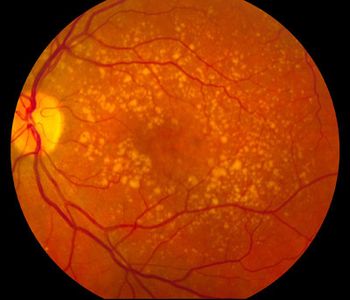
A new review of literature about 2 anti-VEGF therapies for diabetic macular edema suggest the drugs hold promise, but not without some caveats.

Combining glaucoma medications into a single eye drop could simplify regimens and reduce costs for patients. Investigators found that a combination eye drop also significantly reduced intraocular pressure compared to control.

Patients with diabetic macular edema (DME) switching to aflibercept from ranibizumab improved their BCDA by an average of 5 letters over 9-12 months.

Authors compared investigator assessments to reading center-assessed optical coherence tomography outcomes to evaluate intravitreal aflibercept injection with or without rescue photodynamic therapy.

A new study emphasizes the need for specially designed syringes that ensure accuracy and precision when administering anti-VEGF agents via intravitreal injection.

Ronald Gentile, MD, and colleagues investigated pain-reduction strategies following intravitreal injections. The results have implications for patient experience, physician ratings, and treatment adherence.