
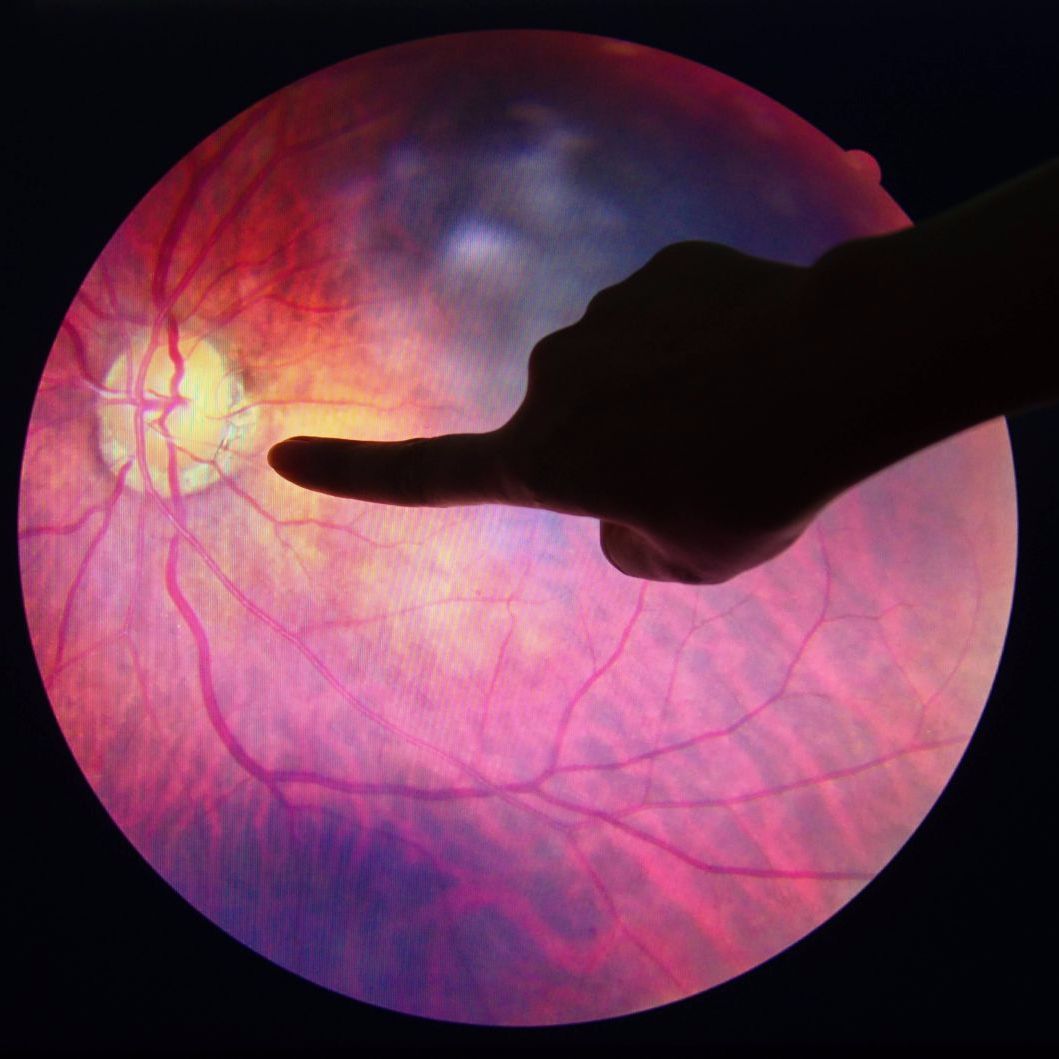































































The COMPASS-XT five-year analysis reported that patients treated with the micro-stent experienced statistically significant loss of endothelial cells compared to the patients treated with lone cataract surgery.
The COMPASS-XT five-year analysis reported that patients treated with the micro-stent experienced statistically significant loss of endothelial cells compared to the patients treated with lone cataract surgery.

The Kala Pharmaceuticals therapy INVELTYS becomes the first twice-daily ocular corticosteroid indicated for such treatment.
Oxervate eye drops, which contain cenegermin, are the first approved treatment for a rare condition that affects fewer than 5 in 10,000 individuals.

A peer-reviewed manuscript outlines the preclinical validation for the use of QR-110 in the treatment of Leber’s congenital amaurosis 10 (LCA10).
A modified 12-week dosing schedule is now available for physicians administering the vascular endothelial growth factor (VEGF) inhibitor to patients with wet age-related macular degeneration.

The results of a new study point to age-related macular degeneration, diabetic retinopathy, and glaucoma as potential early warning signs that an individual is at risk for developing Alzheimer disease or dementia.

In an effort to reprogram retina cell regeneration, investigators activated dormant stem cells then aided other stem cells in developing into rod photoreceptor cells—the most abundant cell type in the retina which first aid the retina in sensing light.
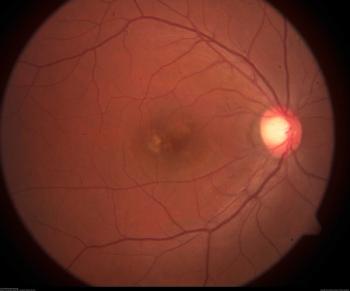
A post-hoc analysis of data from the TREX-AMD trial has determined that eyes with neovascular age-related macular degeneration and treated with ranibizumab, develop more macular atrophy lesions within baseline choroidal neovascularization regions than outside those regions.
The device is used in conjunction with cataract surgery for patients with mild to moderate primary open-angle glaucoma.
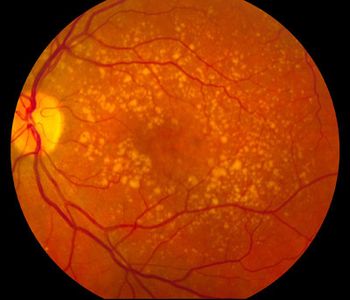
Study results demonstrate that low-dose proton beam irradiation may enhance and extend the effects of anti-vascular endothelial growth factor (anti-VEGF) therapy for age-related macular degeneration.

Mutations in the MARK3 gene has been identified as the responsible culprit for pediatric blindness caused by a recessive genetic disorder.

The REGENXBIO drug's promising phase 1 results has led to the addition of a fourth patient dosing cohort and a phase 2 trial initiation.
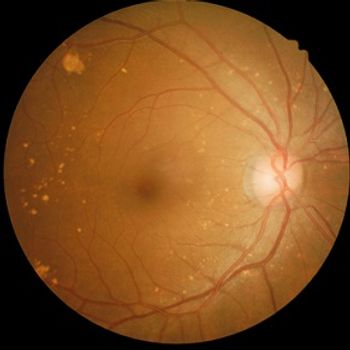
Recent research suggests that reticular pseudodrusen may be associated with the progression of early AMD to GA. Although an association has been theorized between pseudodrusen and AMD, researchers remain unclear on the pathogenesis of reticular pseudodrusen.

People who ate at least 1 serving of oranges every day had more than a 60% reduced risk of developing late-stage macular degeneration in that time period.
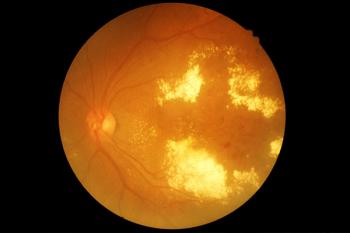
The DR market is expected to accrue a sum of $2,490 million by 2022, growing at a compound annual growth rate of 14.4% from 2014-2022.
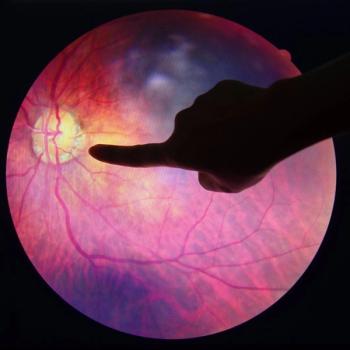
Risk of scar development increased from three-fold at 2 years to 4.5-fold at 5 years, possibly as a result of treated quiescent classic lesions that relapsed over time.

How come treat-and-extend may not be the most ideal therapy regimen for retina disease, and how biologics change physicians' perspective on dosing.

Are anti-VEGF and PRP therapies the best-case scenario for patients with AMD, or will gene therapies reach the market in the near future?

How the three-year results of a gene therapy for inherited retinal disease may redefine its potential in ophthalmology.

Patients who were treated with CLS-TA were able to achieve ≥3 lines of visual acuity 47% of the time, compared to 15% of the patients who received sham treatment.

Those who were switched to aflibercept improved 9 letters of VA, and 110 µm in CST from months 6 to 12.

After 6 months, 80% of those implanted with the 100 mg/mL dose of ranibizumab still did not need a medication refill.

A comparison of patients with either anterior segment neovascularization without glaucoma or neovascular glaucoma found the benefits of anti-VEGF and PRP are heavily influenced by the presence of glaucoma.
A three-year update of VN for patients with biallelic RPE65 mutation-associated inherited retinal disease improved on the common standard-of-care for retina disease.

Results from the PACORES group clinical trial debunked previously-held beliefs that IVB is unsafe for patients with proliferative diabetic retinopathy undergoing the procedure.