


























































Investigators calculated perilesional sensitivity and responding sensitivity for eyes in a geographic atrophy clinical trial and compared these to mean retinal sensitivity.

Investigators calculated perilesional sensitivity and responding sensitivity for eyes in a geographic atrophy clinical trial and compared these to mean retinal sensitivity.
Chang and colleagues are developing an outcome for geographic atrophy trials that measures vision loss rather than structural changes.

Patients who experienced hypertensive disorders in pregnancy were 80% more likely to develop choroidal neovascular AMD at an early age.

An early-start treat-and-extend regimen produced comparable efficacy with fewer aflibercept injections than regular injections every 8 weeks.
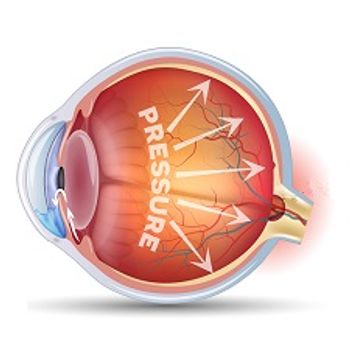
A study presented at ARVO 2019 examines the long-term safety of BAK-free latanoprost for treatment of open-angle glaucoma or ocular hypertension

A recent study, presented at ARVO 2019, found that ophthalmologists have 77% greater odds of experiencing professional fulfillment, but ophthalmology residents are 3 times more likely to express an intent to leave the field than other surgical residents.

A study from ARVO 2019 found that, while optometrists are likely to prescribe them, many are still split over the impact of blue light-blocking devices
A tear-based biomarker for Parkinson disease would allow providers to diagnose the condition sooner and create a measurement tool for new drug development.
Investigators found significant differences in ocular flow velocity between patients with preeclampsia and without who had recently given birth.
Identifying a potential biomarker is an extended process, one which benefits from collaboration between researchers and clinicians of many specialties.
The placenta plays a major role in preeclampsia but is difficult to access. Investigators have turned to the eye, the choroid in particular, looking for clues about this serious condition.
Pinakin Davey, DO, PhD, discusses the findings of his study comparing reliability of testing methodologies for visual acuity and contrast sensitivity at ARVO 2019.
People experiencing homelessness were more likely to follow-up on referrals from an ophthalmology clinic if they had finished high school or had a primary care provider.
The ZEBRA study found that ziv-aflibercept was non-inferior to aflibercept and ranibizumab, and was more cost-effective.
Mia Woodward, MD, discusses the findings of her study which explored the possible over prescription and use of opioids post-corneal surgery.
The field has a growing demand of care, and dropping rate of new specialists. The solution can start at medical schools.
Mia Woodward, MD, discusses her study examining the the inclusion of women and minorities in National Eye Institute clincal trials.
Investigators examined both basal and reflex tears from patients with and without Parkinson disease, in search of a potential biomarker.
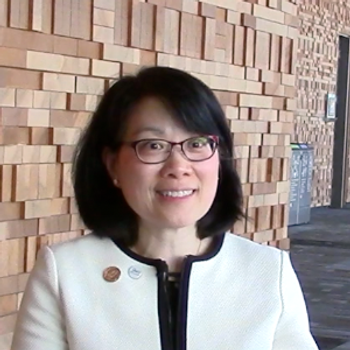
Investigator Lim sees hope that the EyeArt AI system will be able to screen more patients for diabetic retinopathy and help prevent blindness.
It’s difficult to diagnose Parkinson disease before some permanent neurological damage occurs. But tears may hold the key to earlier diagnoses.
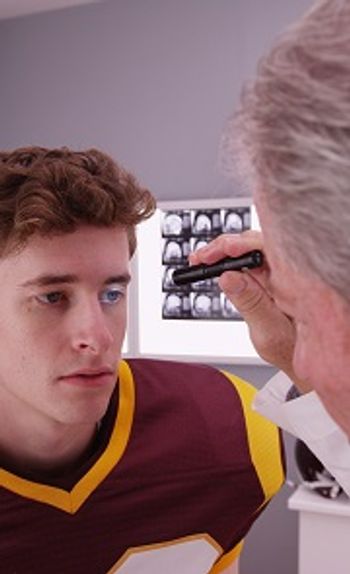
Investigators found that children who experienced concussion-related visual dysfunction had a recovery time nearly twice that of those who did not.
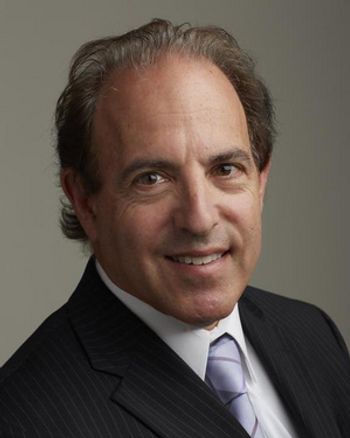
William Freeman, MD, of UCSD and Shiley Eye Institute, discusses the importance of creating treatments for eye diseases that make compliance easier for patients.
William Freeman, MD, discusses the results of a study he led and other potential treatments for geographic atrophy from a session he hosted at ARVO 2019.
Pinakin Davey, DO, PhD, sat down with MD Magazine® at ARVO 2019 to discuss a study he led testing a handheld tonometer for testing IOP.
The artificial intelligence system, EyeArt, was able to detect diabetic retinopathy with a sensitivity of 95.5% and specificity of 86%.