



























































Catalyst Pharmaceuticals announces its submission of an NDA to the FDA for amifampridine phosphate (Firdapse) for the treatment of LEMS.
Catalyst Pharmaceuticals announces its submission of an NDA to the FDA for amifampridine phosphate (Firdapse) for the treatment of LEMS.
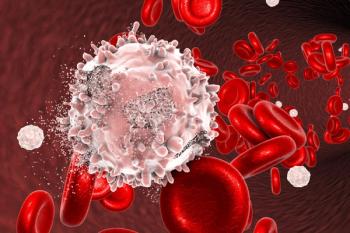
A new study concludes that, among patients with AML, the detection of molecular minimal residual disease during complete remission had significant independent prognostic value with respect to relapse and survival rates.

The FDA granted orphan drug designation to Scholar Rock for its lead antibody product candidate, SRK-015, for the treatment of spinal muscular strophy (SMA).

Clinical data from an ongoing Phase 2 study of PBI-4050 shows that the drug provides a clear clinical benefit in patients with Alstrom syndrome.

Phase 3 of the NEWTON 2 study of EG-1962 in aSAH has been terminated since it is unlikely to meet its primary endpoint.

The FDA granted Cynata’s Therapuetics Limited (ASX:CYP) orphan-drug designation for CYP-001, which is the company’s potential treatment for acute graft versus host disease (GvHD).

Results from a trial sponsored by the National Cancer Institute demonstrate that sorafenib tosylate (Nexavar) extended progression-free survival in patients with desmoid tumors or aggressive fibromatosis.

The FDA granted GeneTx Biotherapeutics LLC orphan-drug designation for GTX-101, the company’s potential treatment for Angelman syndrome.

At the 16th International Symposium on Amyloidosis, Alnylam presented results from the APOLLO Phase 3 study of patisiran, which targets transthyretin in hATTR amyloidosis.
The U.S. FDA announced that Breakthrough Therapy Designation had been granted to Fennec Pharmaceuticals for its unique formulation of cisplatin and sodium thiosulfate (STS).
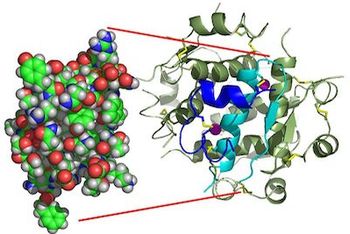
Eiger announced first patient treated in the PREVENT study, a phase 2, multicenter study of subcutaneous (SC) exendin 9-39 in post-bariatric surgical patients who experience PBH.

First-line avelumab monotherapy treatments show efficacy in patients with Merkel cell carcinoma (mMCC).

AbbVie won’t seek accelerated approval for Rovalpituzumab Tesirine in third-line relapsed/refractory small cell lung cancer due to the low percentages in efficacy in the TRINITY study.

This morning, Protagonist Therapeutics announced that the Phase 2b PROPEL study of PTG-100 in patients with ulcerative colitis has been discontinued.

A recent study suggests low doses of oral cyclosporine A do not prevent second-eye involvement in adult patients with unilateral Leber’s hereditary optic neuropathy (LHON).

Data presented at the 16th International Symposium on Amyloidosis in Japan were presented this morning, showing that inotersen-treated patients with hATTR amyloidosis continued to exhibit sustained benefit.

Data from a Phase 2 study suggests that voxtalisib has a promising safety profile, but might not be as effective in patients with aggressive malignancies as it is in patients with follicular lymphoma.

A Phase 2a clinical study evaluating Molgradex was recently initiated by Savara, Inc. The study intends to evaluate the reduction of sputum samples without growth of non-tuberculosis mycobacteria during the treatment period.

Positive data was anounced regarding PBI-4050, a possible treatment for Alström syndrome.

In February, the U.S. FDA accepted the New Drug Application for migalastat, a potential Fabry disease therapy in development by Amicus. This morning, it was announced that it was approved in Japan.

A team of researchers have found that targeting the MLH3 protein involved in DNA repair can reduce the GAA repeat expansion that results in Friedreich's ataxia

This new infographic from Rare Disease Report provides 5 little-known facts about the Huntington's disease that might not necessarily be covered in news articles.

The U.S. FDA has expanded the approval for nilotinib to include the treatment of first- and second-line pediatric patients with Philadelphia chromosome-positive chronic myeloid leukemia in the chronic phase (Ph+ CML-CP).

A 40-year old patient at the UNC Clinical and Translational Research Center was treated with SB-913 this week.

A genetic mutation that has previously been linked to Parkinson’s disease and Alzheimer’s disease could also be connected to ALS, according to a team of researchers supported by the National Institute of Health.