



RDR Alert®
Latest News
Advertisement
Latest Videos


CME Content






















































Advertisement
More News

Medicaid enrollees with sickle cell disease have limited access to clinical trials and out-of-state benefits. Barriers to treatment are multifaceted and occur at different levels of care.

Dr. Margaret Ragni discusses the FDA approved, first-in-class, factor VIII replacement therapy, antihemophilic factor (Recombinant), Fc-VWF-XTEN Fusion Protein-ehtl, previously known as efanesoctocog alfa.

Approximately 42% of prodrome-associated DEGs were also associated with hereditary angioedema attacks, indicating that multiple enriched gene networks with common hub genes and upstream regulators are shared between the prodromal and acute attack stages.
The approval for omaveloxolone was supported by open-label data showing benefit of care for up to 3 years.

There were no differences found in the total thickness of other esophageal regions, dysphagia score, endoscopic appearance, and eosinophil count over time.

Individuals with comorbid asthma, allergic rhinitis, and oral allergy syndrome had higher rates of eosinophilic esophagitis.
In a presentation at the AAAAI 2023 Annual Meeting, new data suggested that treating early symptoms may be a viable strategy for preventing acute attacks in patients with hereditary angioedema (HAE).
Previously known as efanesoctocog alfa, once-weekly ALTUVIIIO™ is indicated for routine prophylaxis and on-demand treatment to control bleeding episodes for adults and children with hemophilia A.

Phase 2 trial shows iron hydroxide adipate tartrate (IHAT) is non-inferior to ferrous sulfate (FeSO4) in correcting iron deficiency and hemoglobin response, with a lower incidence of moderate-severe diarrhea.
Velmanase alfa-tycv (Lamzede) is approved as the first and only enzyme replacement therapy for non-central nervous system manifestations of alpha-mannosidosis, an extremely rare, progressive, lysosomal storage disorder.

Once-weekly efanesoctocog alfa is a safe and effective treatment for patients with severe hemophilia A, providing better outcomes than current treatment options by significantly reducing bleeding rates and improving physical health, pain, and joint health.
New data show the FDA's rationale for approving drugs with unmet efficacy end points in pivotal trials has been inconsistent since at least 2018.

Dr. Matthew Lander explains that the number of cardiac sarcoidosis cases might be lower than other forms of sarcoidosis, but the outcomes are more severe.

According to older literature, most cases of sarcoidosis involve the lungs, but Dr. Matthew Lander explains why there could be more to the rare disease.
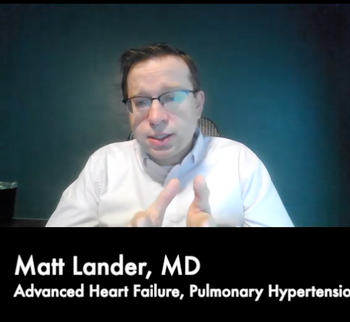
PET scanning, in particular, has provided advancement in the diagnosis process, which has offered a new perspective on cardiac sarcoidosis for clinicians.

According to the results, 42.8% of participants failed to agree that relevant legislature is in place for the sickle cell disease population, as it doesn't facilitate optimal access to high-quality healthcare.
The treatment is a novel, investigational anti-C5 recycling monoclonal antibody showing promise for treating patients with paroxysmal nocturnal hemoglobinuria.

The rare condition can lead to life-threatening anemia in the fetus and currently lacks FDA-approved treatments.

The Sickle Cell Trait Awareness Campaign (STAC) offers promising possibilities of expanding sickle cell trait education across the country, Dr. Carolyn Rowley and Pat Corley, RN explain.
The sBLA for lanadelumab permits its use as a prophylaxis in children as young as 2 years old with the rare condition.

Individuals with sickle cell trait not only need to know their status to make informed family planning decisions, but also so they can watch out for the possible symptoms.

The mRNA vaccines BNT162b2 (Pfizer-BioNTech) and mRNA-1273 (Moderna) showed no risk of Guillain-Barré syndrome post-vaccination.
Dr. Carolyn Rowley explains, the whole reason for the Sickle Cell Trait Awareness Campaign (STAC) is to start talking about it.

"Despite advances in SCD management and high-risk pregnancy care, at the national level, outcomes in this population have not improved since the last NIS analysis of data from 1999 to 2008," investigators write.
Dr. Carolyn Rowley and Pat Corley, RN, explain why the new Sickle Cell Trait Awareness Campaign is designed for all middle school, high school, and university students.
Advertisement
Advertisement
Trending on HCPLive
1
Retatrutide Lowers Albuminuria, Glomerular Pressure in Obesity and CKD
2
AD109 Yields Numerically Greater OSA Improvements in Postmenopausal Women
3
Sleeve Gastrectomy Improves Heart, Kidney MRI Markers in Youth-Onset T2D
4
TELIGAN: Telitacicept Preserves eGFR Through 2 Years in IgA Nephropathy
5