



RDR Alert®
Latest News
Advertisement
Latest Videos







CME Content






















































Advertisement
More News
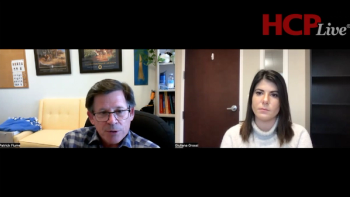
Bronchiectasis varies in presentation and appears to affect individuals from broad areas of the country. According to Dr. Patrick Flume, the task is to figure out what the best method of management is.

New phase 3 data indicates significant improvements in disease severity in children 1-11 years old with eosinophilic esophagitis.
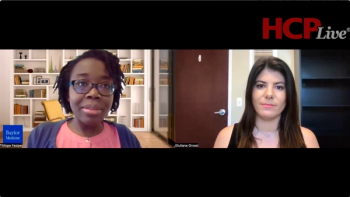
A significant factor in treating sickle cell disease is the practice of shared decision-making, which gives the provider and patient a collaborative approach to disease management, according to Dr. Titilope Fasipe.

Weekly 300 mg doses of dupilumab were associated with significant, clinically meaningful improvements by week 24 in patients with eosinophilic esophagitis
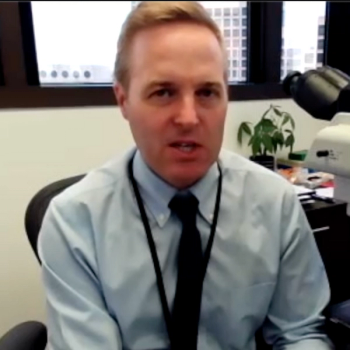
Travis Vandergriff, MD, discusses the unique collaboration with ophthalmologists and urologists in the rare skin condition.

According to the results, individuals with SCT who previously had COVID-19 also had various preexisting kidney conditions that were associated with poor outcomes.
A dive into the manifestation of the rare skin condition, and the impactful role of dermatologists in diagnosing it early.
The aim is for the RNA-based medicine to dually serve as a treatment for multiple forms of transthyretin amyloidosis, and as a commercial contender to competing therapies.
In honor of World Sickle Cell Day, Dr. Titi Fasipe shared a comprehensive overview of the current status of gene therapy and the techniques being used for sickle cell disease treatment.

New research from the UK suggests educational tools for caregivers are in use and beneficial, but none are universally applied.

The survey identified long-term health complications of sickle cell disease as a primary concern among patients and providers and overall understanding of the disease needs more educational support.

There is not much known on the link between sickle cell disease and romantic relationships, particularly from the male perspective.
Dr. Temeia Martin talks about how her team identified the transition period as a major obstacle for patients with sickle cell disease and what her task force has implemented as a solution.

An increased risk of obesity and decreased risk of abnormal weight loss was also observed in patients born to mothers with sickle cell disease.
With World Sickle Cell Day approaching, Dr. Titi Fasipe reflects on the developments within the field, such as the continued conversation of disparities and the increased comfort level with new therapies.

Vutrisiran is the first and only FDA-approved treatment that’s demonstrated reversal in neuropathy impairment with subcutaneous administration once every 3 months.

Some of the favorable responses to voxelotor treatment and signs of hematologic response after voxelotor treatment included increased Hb levels, decreased reticulocyte percentage, and decreased total bilirubin.

Intravenous opioid use for VOC decreased by 52% in inpatient services between 2017-2018, while oral opioid use increased.

Currently many more patients undergo right heart catheterization than is necessary for diagnosing pulmonary hypertension in patients with systemic sclerosis.

There is a growing body of evidence showing the value of rituximab in the treatment of SSc-ILD.
The agency also granted rare pediatric disease designations for inclacumab and GBT601.
Expert Dr. Mikkael Sekeres treats patients with bone marrow diseases and in this episode he talks about treatment methods, clinical trial obstacles and the importance of reliable sources when it comes to rare conditions like MDS and AML.
Efanescotocog alfa is the first factor VIII therapy to be granted Breakthrough Therapy designation by the FDA.

New information suggests a few more cases have surfaced in the United States, pending CDC confirmation.
New research has suggested that approximately 2%-5% of patients with sarcoidosis also struggle with cardiac sarcoidosis.
Advertisement
Advertisement
Trending on HCPLive
1
Retatrutide Lowers Albuminuria, Glomerular Pressure in Obesity and CKD
2
AD109 Yields Numerically Greater OSA Improvements in Postmenopausal Women
3
Sleeve Gastrectomy Improves Heart, Kidney MRI Markers in Youth-Onset T2D
4
TELIGAN: Telitacicept Preserves eGFR Through 2 Years in IgA Nephropathy
5