





RDR Alert®
Latest News
Advertisement
Latest Videos




CME Content






















































Advertisement
More News

The clinical trial of efanesoctocog alfa provided positive top-line results for treating patients with severe Hemophilia

Sarcoidosis expert shares that one of her early patients had the rare disease and it was this young African American woman who inspired her to focus on treating the condition.

Investigators use an indirect approach to estimate the mortality rate of children with sickle cell anemia in sub-Saharan Africa because there's no systematic screening at birth.

In an interview, lead investigator and expert Dr. Martin Kolb discusses his new phase 2b HZN-825 trial and what it's like treating the rare disease.

Dr. Obi speaks of the disparities associated with the disease, the challenges patients face, and how sarcoidosis – the “great mimicker” as some clinicians have described it- can be differentiated from other diseases.

Clinical results show that 98% of patients with relapsed or refractory multiple myeloma responded to cilta-cel after a single treatment.

The FDA granted accelerated approval to the treatment of adults with intermediate or high-risk primary or second myelofibrosis.

Expert Mikkael Sekeres, MD, explains that the COVID-19 pandemic affected all of medicine, but in a rare disease domain that impact was even greater.

Clinical and industry leaders share their perspectives on the importance of collaboration in developing treatments for rare diseases.

Chief Scientific Officer of the CMT Research Foundation talks about being cognizant of the blood-nerve barrier when treating patients and developing therapies.

Investigators noted that the epidemiology and disease overlap among eosinophilic diseases are poorly understood.
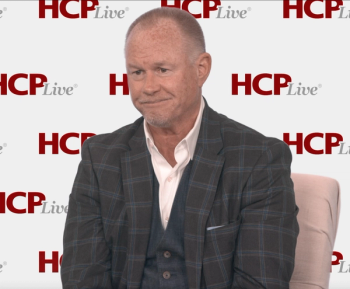
The president of Make-A-Wish New Jersey speaks about the impact of granting a wish to a child living with a rare disease.
The Rare Disease Report Podcast returns! Our first episode features Karen Kozarsky, PhD, an expert on gene therapy and adrenomyelonueropathy.

To date, dupilumab is the only biologic medicine to show positive, clinically meaningful phase 3 results in adults and adolescents with EoE.

Data supporting BI 1015550 as a IPF therapy will be presented at the upcoming ATS meeting.
Rare disease pyruvate kinase deficiency received first approved disease-modifying therapy.

Progressive familial intrahepatic cholestasis is a genetic liver disease that doesn't only affect the children who are diagnosed, but also the caregivers responsible for them.

Investigators developed a new method to identify potential treatments for hundreds of diseases by profiling drugs approved by the FDA.

The renowned expert joins to discuss the clinical characteristics, societal burdens, and promising therapy research surrounding the hematologic disease.

The monoclonal antibody is designed to reduce the need for red blood cell transfusions to hemolysis among adults with the rare disease.
Pfizer’s statement does not include a reason for the Complete Response Letter the FDA issued regarding the Biologics License Application for somatrogon for Pediatric Growth Hormone Deficiency.

The Carter Center announces that just 14 cases of Guinea worm disease occurred worldwide in 2021--the lowest case total ever recorded.
A gene therapy for retinal degenerative diseases receives an investigational new drug (IND) clearance from the FDA to move forward with the Phase 2 trial of the multi-characteristic opsin (MCO-010) therapy.

In the midst of a national blood crisis, the FDA is funding a study to examine if different questioning can be used to determine the HIV risk of gay or bisexual men who want to donate blood.

Since an effective treatment for the rare disease metachromatic leukodystrophy had not previously been distinguished, investigators analyzed data on the safety and efficacy of arsa-cel, a gene therapy.
Advertisement
Advertisement
Trending on HCPLive
1
Retatrutide Lowers Albuminuria, Glomerular Pressure in Obesity and CKD
2
AD109 Yields Numerically Greater OSA Improvements in Postmenopausal Women
3
Sleeve Gastrectomy Improves Heart, Kidney MRI Markers in Youth-Onset T2D
4
TELIGAN: Telitacicept Preserves eGFR Through 2 Years in IgA Nephropathy
5