






























































An analysis of an ethnically diverse cohort in London found African Caribbean people experienced a 39% greater risk of sight-threatening DR, independent of traditional risk factors.
An analysis of an ethnically diverse cohort in London found African Caribbean people experienced a 39% greater risk of sight-threatening DR, independent of traditional risk factors.

A meta-analysis of trials examining use of the t:slim X2 insulin pump with Control-IQ technology, results of the study indicate use of the hybrid closed loop technology was associated with improvements in glycemic control, regardless of patient age, race, or previous CGM use.

Diana Isaacs, PharmD, and Natalie Bellini, DNP, sit down to discuss the implications of increased CGM access through a recent CMS expansion and take a deep dive into the latest Abbott news, including dispelling misconceptions surrounding the recall announcement.

Announced on April 14, the clearance allows for FreeStyle Libre 3 users to obtain real-time glucose readings on a large, easy-to-see screen directly from their back of arm sensors.

An analysis of data from national registries in Sweden offers an overview of associations between psychiatric disorders and educational milestone attainment among youth with type 1 diabetes.

A new pilot study assessing the shelf life of insulin when stored at room temperature during the summer in India suggests most insulins maintained 95% potency or greater at 4 months relative to refrigerated insulin.

Announced on April 6, the recall, which is the most serious of its kind, includes all Readers used with the FreeStyle Libre, FreeStyle Libre 14 day, and FreeStyle Libre 2 Flash Glucose Monitoring Systems distributed from November 2017-February 2023, which totals more than 4 million devices in the US.
Drs Diana Isaacs and Natalie Bellini summarize the key takeaways on screening for pediatric and adult-onset type 1 diabetes and strategies to improve screening.
An expert pediatric endocrinologist discusses best practices for referring patients to a specialist in type 1 diabetes, as well as the potential of new therapies in delaying the progression of the disease.
Dr Fran Cogen discusses the screening of autoantibodies for type 1 diabetes and provides insights on how to interpret the results of the screening tests.
Dr Fran Cogen emphasizes the importance of early screening and detection of type 1 diabetes to prevent the adverse health effects of diabetic ketoacidosis.

A recent analysis suggests cardiovascular and socioeconomic factors explain one‐quarter of the racial and ethnic differences in arterial stiffness of youth with type 1 diabetes.

A systematic review and meta-analysis found the prevalence of diabetes increases with COVID-19 severity, with diabetes accounting for 9.5% of severe COVID-19 cases and 16.8% of deaths.

Data from the CLVer trial provide insight into the effects of verapamil use on beta cell function among a cohort of children and adolescents with newly diagnosed type 1 diabetes.
Our March 2023 endocrine month in review highlights the top news and headlines in endocrinology from the past month, including reductions in insulin list prices, regulatory decisions, and more!
In this episode, hosts celebrate the 10-year anniversary of the approval of the first SGLT2 inhibitor, discuss announcements related to insulin pricing, and take a deep dive into 24-week data from the MOMENTUM trial.
In a recent phase 2 trial, abatacept failed to significantly reduce progression to diabetes or abnormal glucose tolerance among a cohort of stage 1 relatives of people with type 1 diabetes considered to be at risk of progression.
In this in-studio episode, hosts offer insight and perspective into what the news regarding the CMS expansion of CGM coverage means for people with diabetes and take a deep dive into a recent announcement of an FDA clearance for Abbott's FreeStyle Libre sensors.
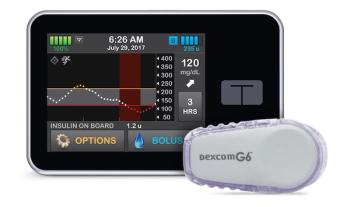
A 13-week trial examining use of the Control-IQ closed-loop insulin delivery system in children aged 2-6 years, results of PEDAP indicate use of the closed-loop system was associated with a 3 hour per day increase in time in range relative to standard care.
The US FDA has granted clearance to the FreeStyle Libre 2 and FreeStyle Libre 3 sensors for integration with automated insulin delivery systems. Abbott, which noted ongoing collaborations with Insulet and Tandem, expects the modified sensors to be available in the US later this year.
A recap of the top news and research from the 16th annual meeting for Advanced Technologies and Treatments for Diabetes in Berlin, Germany.
After Eli Lilly and Company announced major reductions in list prices for multiple insulin products, the community rejoiced at the though of taking a major step forward toward equitable access to insulin. Learn more about the reaction from major organizations and those within the field.

In this episode, Stuart Weinzimer, MD sits down with hosts for a discussion on his research and experience with diabetes technology, the need to focus on patient-reported outcomes in pediatric diabetes, and strategies for meeting the practical needs of individuals with diabetes.
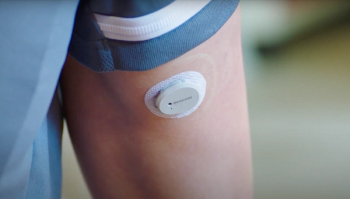
A trio of studies presented at ATTD 2023 detail the strengths and limitations of real-time continuous glucose monitoring technologies in an array of patient populations and settings.
In this episode, hosts are joined by Grazia Aleppo, MD, to discuss the development of guideline recommendations for diabetes technology as well as her top takeaways from the ATTD 2023 meeting.