




Type 1 Diabetes
Latest News
Advertisement
Latest Videos


Podcasts






CME Content






















































Advertisement
More News

A new study from Sweden is calling attention to disproportionate increases in psychotropic medication use among young people with type 1 diabetes relative to their counterparts without type 1 diabetes.

According to the analysis, high-performing primary care practices use similar strategies to manage change and quality improvement in care for people with diabetes.

An analysis of patient data from a health system in southern California suggests both type 1 and type 2 diabetes rates rose among younger populations during the COVID-19 pandemic, affecting non-Hispanic Black and Hispanic youth most significantly.

Elevated serum endotrophin levels, but not urinary endotrophin levels, predict increased risk of kidney complications and mortality in type 1 diabetes.
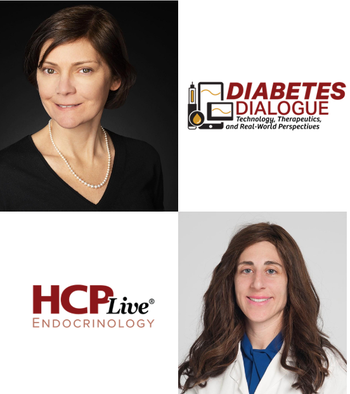
Diana Isaacs, PharmD, and Natalie Bellini, DNP, provide a breakdown of the latest news in diabetes management, including FDA clearance of a new insulin pump and a major acquisition within the diabetes world.
In this episode, hosts sit down for a discussion around a recent NEJM report assessing the effects of semaglutide use in people with type 1 diabetes, including the implications of the findings and their real-world experiences with GLP-1 use in people with type 1 diabetes.
A case series of 10 patients with newly diagnosed type 1 diabetes provides insight into the beneficial effects of off-label semaglutide use on insulin use, HbA1c, and fasting C-peptide levels among this patient population.

A 1-year observational follow-up of a 3-month RCT provides insight into he benefits of advanced hybrid closed-loop system use in people with type 1 diabetes using multiple daily injections and self-monitoring of blood glucose.
In this episode, hosts discuss their experience interacting with the Tandem Mobi pump from the ADCES 2023 meeting and offer perspective on what the Welldoc clearances mean for people with diabetes and care providers.
During this episode, hosts are joined by Etty Vider, PharmD, for a nuanced discussion surrounding leveraging diabetes technology to improve care for people with diabetes, including exploring strategies for improving the utilization of diabetes technology, the role of primary care in adoption of these technologies, and how improved uptake correlates to improved outcomes.

Expert endocrinologists provide final thoughts on addressing unmet needs and improving the management of T1D.
Schafer Boeder, MD, and Egils K. Bogdanovics, MD, share approaches to prevention, preservation, and replacement therapies for the treatment of T1D.
In this special edition episode, hosts break down what the announcement of the 10 drugs selected for Medicare price negotiations under the Inflation Reduction Act means for providers and people with diabetes.

Across 31 centers in England, hybrid closed-loop therapy was associated with improvements in HbA1c, sensor glucometrics, and diabetes-related distress in adults with T1D.
Experts in endocrinology share challenges of patient access to type 1 diabetes treatment as well as resources to combat these challenges.
Expert endocrinologists discuss implementing long-term monitoring of patients being treated with teplizumab for type 1 diabetes and review the PROTECT study for patients who are newly diagnosed with T1D.
In this episode, Isaacs and Bellini sit down with Dawn Noe, RDN, LD, for a discussion surrounding her journey into diabetes care, the importance of individualizing nutrition in diabetes management, and the sessions she led and moderated at ADCES 2023.

Early rapid weight gain after diagnosis of T1D may play a role in the lack of remission and shorter duration of partial remission, potentially due to altered insulin sensitivity.
In this episode, which is the first of multiple special edition ADCES 2023 episodes, hosts hold an overarching discussion of the meeting itself and major themes from the ADCES's 50th anniversary celebration.
Egils K. Bogdanovics, MD, and the expert panel review the TN10 study data on the efficacy of teplizumab in delaying the progression of T1D, which led to the drug’s approval from the FDA.
Justin M. Gregory, MD, MSCI, provides an overview of the mechanism of action of teplizumab and its use in delaying T1D.
In this episode, hosts take time to break down the implications of two, potentially paradigm-shifting news in the announcement of the addition of bexagliflozin to the Cost Plus Drugs platform and topline data from the landmark SELECT trial.

In a Q&A, Clipper Young, PharmD, MPH, discusses the Pharm2Home Initiative based on his presentation from ADCES 2023 and describes the impact of community-driven, pharmacist-led interventions to improve health literacy in those with chronic disease.

Joshua Neumiller, PharmD, takes part in a Q&A on the role of deprescribing in older adults with diabetes mellitus based on a presentation from the Association of Diabetes Care and Education Specialists 2023 annual meeting.
Egils K. Bogdanovics, MD, and Schafer Boeder, MD, discuss interpreting antibody test results for type 1 diabetes and provide recommendations for retesting for those who have a negative test or have only 1 antibody present.
Advertisement
Advertisement
Trending on HCPLive
1
RELIEVE-AD-PEDs: Dupilumab Sustains Adolescent Atopic Dermatitis Control at 1 Year
2
The Benefits and Limits of Enlicitide, With Ninel Hovnanians, MD
3
Conservative Therapy in Fibrillary GN: A Four-Drug Kidney-Protective Approach
4
5 Gastroenterology Headlines You Missed in September 2026
5