




Type 1 Diabetes
Latest News
Advertisement
Latest Videos



Podcasts
CME Content























































Advertisement
More News

Kevin Sayer joins the program to discuss the latest from Dexcom and preview where the business is headed in an evolving diabetes landscape.

A new study reveals hybrid closed-loop technology significantly improves glucose control for pregnant women with T1D.

Automated insulin delivery systems enhance blood glucose control for pregnant women with type 1 diabetes, potentially advancing diabetes care.

Most participants (83%) did not require exogenous insulin 1 year after zimislecel (VX-880) infusion.
An overview of 7 presentations included as late-breaking clinical trials at ADA 2025.

In this special episode, cohosts preview the most anticipated data and explore clinical implications in diabetes and obesity.
Hosts breakdown diabetes technology updates from May 2025 and Breakthrough T1D's push for improved screening.
In this episode, hosts explore technosphere inhaled insulin (Afrezza) in comparison to standard diabetes therapies in the INHALE-3 trial.
Hosts break down their biggest takeaways and detail their favorite sessions from the AACE 2025 annual meeting.
In this episode, hosts explore real-world data on Beta Bionics' iLet automated insulin delivery system for diabetes management.
Stay updated with the latest healthcare breakthroughs, including weight loss treatments, pediatric therapies, and FDA approvals shaping the future of medicine.
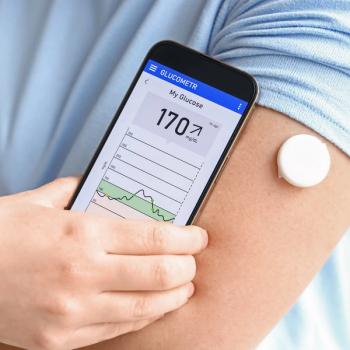
Adult-onset T1D significantly raises cardiovascular disease and mortality risks, highlighting the need for improved management and prevention strategies.
Hosts explore Luna Diabetes automated insulin delivery system, designed to enhance sleep and improve glucose control for people with diabetes who use pens.
Our April 2025 month in review highlights significant advancements in endocrinology, including innovative therapies and FDA approvals that enhance diabetes management.

Once-daily orforglipron showed strong efficacy and safety, matching injectable GLP-1s for A1c reduction and weight loss in the ACHIEVE-1 trial.

With regulatory clearance for people aged ≥18 years with diabetes, Dexcom G7 boasts the longest-lasting wearable and most accurate CGM system.
Our Q1 2025 recap for endocrinology spotlights 5 regulatory updates, 5 key trial announcements, and top expert perspectives in diabetes care.
This February 2025 month in review covers key updates in endocrinology, including the end to the semaglutide shortage and new automated insulin delivery data.

On February 14, 2025, the FDA approved the first rapid-acting biosimilar insulin product called nsulin-aspart-szjj (Merilog).
The randomized trial is the first to assess fecal microbiota transplantation for treating diabetic gastroenteropathy, highlighting its safety and efficacy.
In this episode, hosts discuss optimizing insulin therapy for people with diabetes using AI-driven algorithms with Eran Atlas, CEO of DreaMed Diabetes.
Our Endocrinology Month in Review for December 2024 highlights recent headlines in diabetes and endocrinology and 4 new episodes of Diabetes Dialogue.
In this episode, hosts discuss a slight dip in US obesity rates, the use of inhaled insulin, and the benefit of mifepristone for HbA1c reduction.
A list recapping our most popular endocrinology coverage from the past year.

Glycemic control continues to be a major risk factor for diabetic retinopathy, while overweight, obesity, and hypertension are growing in prevalence.
Advertisement
Advertisement
Trending on HCPLive
1
The Benefits and Limits of Enlicitide, With Ninel Hovnanians, MD
2
RELIEVE-AD-PEDs: Dupilumab Sustains Adolescent Atopic Dermatitis Control at 1 Year
3
Conservative Therapy in Fibrillary GN: A Four-Drug Kidney-Protective Approach
4
EADV 2026: TNFα, OX40L Cluster at HS Draining Tunnels
5