


























Drs Diana Isaacs and Natalie Bellini highlight the need for improved screening, greater awareness of clinical trial opportunities, and clinician education to improve early diagnosis and outcomes for people with T1D.
Sumita Singh, a T1D advocate, discusses with Diana Isaacs and Natalie Bellini how teplizumab and other advances are providing hope to the T1D community and talks about the challenges and needs of a diverse T1D patient population.
Sumita Singh, a T1D advocate, discusses her family’s decision to enroll their daughter Bella in a clinical trial for T1D and shares their experience.
Sumita Singh shares about her daughter Bella’s type 1 diabetes (T1D) diagnosis and how their family navigated the logistical and emotional challenges of receiving a T1D diagnosis.
Dr Kimberly Simmons and Dr Teresa Quattrin examine the diagnostic process and importance of screening for type 1 diabetes.
Robert Busch, MD, and Robin S. Goland, MD, review the prevalence and pathophysiology of type 1 diabetes.
Drs Diana Isaacs and Natalie Bellini discuss the everyday challenges of managing type 1 diabetes and underscore the need for new treatments to improve the quality of life for people living with type 1 diabetes
Expert healthcare practitioners discuss the potential of CGM and other technology to identify signs of type 1 diabetes.
Dr Emily Sims reviews the study design of the clinical trials with teplizumab and shares key findings from the completed phase 2 trial.
Dr Emily Sims provides an overview of the stages of type 1 diabetes (T1D) and explains how teplizumab slows the immune-mediated destruction of beta cells.
A systematic review of nearly 100 published studies provides an overview of sex-based disparities in the care of pediatric patients with type 1 diabetes.
The January 2023 endocrinology month in review features coverage of the FDA’s approval of bexagliflozin, news surrounding semaglutide, and the introduction of an expert-led, diabetes-focused podcast to HCPLive Endocrinology.
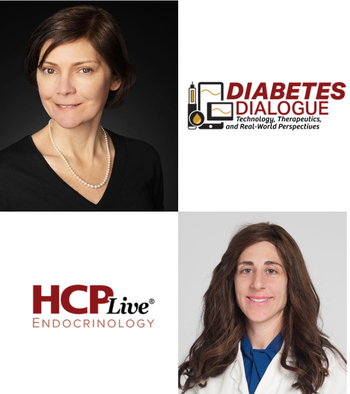
In this episode of Diabetes Dialogue, ours hosts discuss the clearance of Tidepool Loop, what is unique about the app’s customizability and compatibility with other diabetes technologies, and other top points for people with diabetes and members of the diabetes care team to consider with the technology moving into the future.
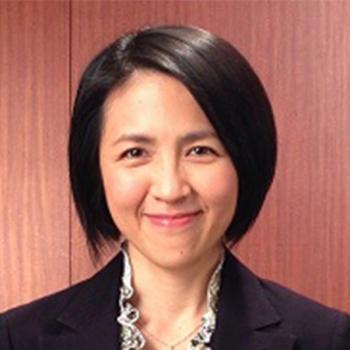
A study of more than 100 adults with type 1 diabetes suggests those with increased levels of self-stigma had worse glucose control than their counterparts with lower levels of self-stigma.

Abbott's Proclaim XR spinal cord stimulation system allows patients with painful diabetic peripheral neuropathy to improve quality of life using a system that is easily incorporated into their everyday lives.

Announced on January 24, the US FDA's marketing clearance for the Tidepool Loop mobile app allows for use with compatible devices for automated insulin dosing to help manage type 1 diabetes in persons 6 years of age and older.
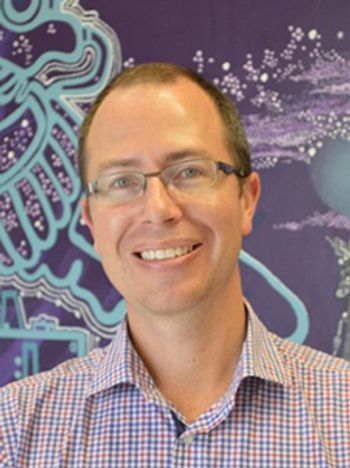
A prospective, dual-center study of people with high-risk type 1 diabetes using multiple daily injections aged 13-25 years demonstrates the utility of this technology in this patient population.

To celebrate the end of 2022 and the advances witnessed in the past year, our editorial team has created a list of the top 8 most popular pieces of content related to endocrinology from 2022.
To commemorate the inaugural year and the success of Diabetes Dialogue in 2022, our editorial team has compiled a list of the 5 most popular episodes from the past year. Further in this article, we offer readers a look into each of our hosts top picks for episodes during 2022.

In the December 2022 episode of Diabetes Dialogue, Diana Isaacs, PharmD, and Natalie Bellini, DNP, sit down to discuss recent developments in the field, with a spotlight on the Dexcom G7 CGM, key takeaways from the ADA’s Standards of Care in Diabetes—2023, and perspective from the ADCES Diabetes Technology Conference 2022.
In this episode of Diabetes Dialogue, Jill Weissberg-Benchell, PhD, takes hosts through her journey to becoming a diabetes care and education specialist, the role of psychologists in the management of pediatric diabetes, and her thoughts on the evolving role of care and education specialists in the management of diabetes.
In this episode of Diabetes Dialogue, Richard Bergenstal, MD, sits down with hosts Diana Isaacs, PharmD, and Natalie Bellini, DNP, to discuss the role and evolution of technology in the management of diabetes.

An analysis of NHANES data spanning more than 3 decades provides an overview of trends in glycemic control and severe hyperglycemia among people with diabetes using insulin, including racial and ethnic disparities.
In this episode of Diabetes Dialogue, Jane Jeffrie Seley, DNP, MPH, a member of the writing committee for the ADA's Standards of Care in Diabetes—2023, joins the podcast to discuss pertinent updates in the sections of the document discussing inpatient management of diabetes within the document.

A recent survey found that most people with type 1 diabetes felt their coaches, trainers, and teachers treated them differently after learning about their diagnosis. In this column, Fran Damian, MS, RN, provides 3 simple steps to better support athletes with diabetes.