



Type 1 Diabetes
Latest News
Advertisement
Latest Videos



Podcasts



CME Content























































Advertisement
More News

The FDA has greenlit Dexcom's Stelo Glucose Biosensor System, marking a historic first as the first continuous glucose monitors to be available over-the-counter.

Viral Shah, MD, joins Diabetes Dialogue to discuss a recent study examining associations between time in range and other advanced CGM metrics with diabetic retinopathy and the implications for use in predicting other microvascular outcomes.
Viral Shah, MD, of Indiana University, joins Diabetes Dialogue to discuss a recent proof-of-concept study examining use of tirzepatide in type 1 diabetes.

A new study found balance and falling were linked to an increased risk of all-cause mortality, as well as cause-specific mortality from cardiovascular disease and diabetes.
A new proof-of-concept observation study reports the dual GLP-1/GIP agonist's positive efficacy and safety for adults with T1D.

This endocrinology month in review spotlights FDA news, a pair of studies examining cardiovascular and renal risk reduction in type 2 diabetes, results from a subtrial examining testosterone’s effect on fracture risk, and 4 new episodes of diabetes dialgoue
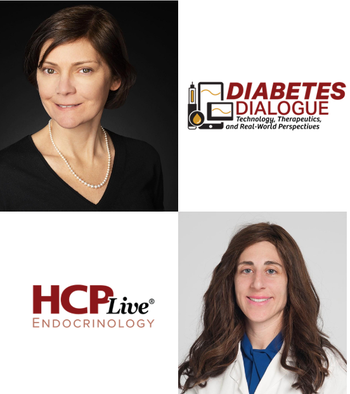
In this episode, hosts discuss recent news and updates in diabetes technology from Abbott, Dexcom, and Medtronic in the first half of January 2024.

A study of more than 140 adults with diabetes is providing additional insight into the prevalence of anemia among these patients as well as its association with changes in glycemic control.

A new study identified T1D as a risk factor associated with nearly all subtypes of CHD, whereas overweight was associated only with certain defect types.
Our endocrinology month in review spotlights our most popular content from December 2023. Our list of the most popular content from the past month includes the ADA Standards of Care—2024, label updates, a feature from our This Year in Medicine series, and more!
Hosts discuss a recent study on baricitinib in type 1 diabetes, how these results compare to other data in this arena, and what all of these studies mean for future of type 1 diabetes management.
To celebrate the end of 2023, hosts recap the top 10 episodes of the past year and offer perspective on how the news discussed in these episodes has shaped the future of diabetes management.
Hosts discuss what they consider the most significant or relevant updates in the ADA's Standards of Care—2024, with a focus on new recommendations for glycemic management, bone health, immunizations, and weight management.

Mendelian randomization analyses demonstrated a causal relationship between hypothyroidism and diabetes, along with its related microvascular complications.

SGLT2 inhibitors show a reduced risk of retinopathy compared with DPP-4 inhibitors, pioglitazone, and sulfonylureas among patients with type 2 diabetes.


Analysis of the NUDGE-FLU study reveals electronic nudges designed to boost influenza vaccination were more effective in older adults without diabetes, highlighting the need for tailored approaches in diabetes populations.

Maternal characteristics, sociodemographic factors, and paternal participation during the initial year of the TEDDY study were identified as key predictors of enhanced visit compliance in a pediatric cohort genetically predisposed to type 1 diabetes.

Weight cycling could lead to a relative loss of fat-free mass in people living with overweight and obesity at high risk of type 2 diabetes.

Maternal height is linked to specific adverse pregnancy events in women with gestational diabetes mellitus, according to a new study. The investigators found shorter women had higher rates of low birth rate and primary c-sections, but taller women had higher rates of abnormal neonatal ponderal index, postpartum hemorrhage, and macrosomia.

Addressing a lack of quantitative data on AID, this study used validated measures in a real-world setting to corroborate the psychosocial benefits seen in prior qualitative research.

A review and meta-analysis of 29 studies found systolic blood pressure significantly decreased in the semaglutide group compared with placebo or other active controls.

While the ACT program did not benefit patients in the study’s primary outcome measure, it did lead to some other benefits for those with type 1 diabetes.

More than half of patients who received a pancreas transplant alone experienced >50% decline in eGFR, had eGFR < 30 mL/min/1.73 m2, and/or received a kidney transplant 10 years after their initial pancreas transplant.

Despite the known association between infectious disease and type 1 diabetes, results showed no impact on risk of latent autoimmune diabetes in adults.
Advertisement
Advertisement
Trending on HCPLive
1
The Benefits and Limits of Enlicitide, With Ninel Hovnanians, MD
2
RELIEVE-AD-PEDs: Dupilumab Sustains Adolescent Atopic Dermatitis Control at 1 Year
3
Conservative Therapy in Fibrillary GN: A Four-Drug Kidney-Protective Approach
4
EADV 2026: TNFα, OX40L Cluster at HS Draining Tunnels
5