































































Study results show that patients suffering from diabetic peripheral neuropathy treated with tapentadol reported significant improvement in their pain.

Study results show that patients suffering from diabetic peripheral neuropathy treated with tapentadol reported significant improvement in their pain.

Spouses of diabetics suffer from the demands of living with diabetes just as patients do, though their feelings are not always linked to their partner's.

Blocking glucagon could convert type 1 diabetes to an asymptomatic, non-insulin-dependent disorder if mouse models hold true for humans.

Studies have consistently shown an inverse association between coffee consumption and type 2 diabetes risk, and now the cause may have been identified.

Though diabetes and depression each increase a woman's risk of death from cardiovascular disease, together they increase that likelihood nearly three times.

More than six percent of women who gave birth in 2008, a figure totalling 250,000, had pre-existing diabetes or developed it during pregnancy.

Moderate alcohol consumption may benefit diabetics, but puts them at risk of deterioration of visual acuity unrelated to typical diabetic eye disease.

Women with diabetes are more likely to be depressed and those taking antidepressants are more likely to develop diabetes.
Creating a viral video is a tall task in itself. Creating a viral video to get across a serious message is almost impossible. But not for the Big Blue Test.

SETMA, which operates multiple special clinics, will be the 38th national Affiliate Program of the Joslin Diabetes Center.
In a debate at the Cardiometabolic Health Congress on the lipid-lowering benefits of niacin vs. fibrates, Henry Ginsberg, MD, made the case for fibrates.

New York mayor Michael Bloomberg requested federal permission this morning to ban the purchase of soda and other sugary drinks by using food stamps.
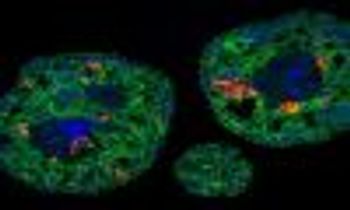
Beta-cells, long thought to arise from stem cells in the pancreatic ducts, arise in large numbers from an unexpected source: glucagon-producing alpha cells.
New evidence supports many current approaches to diabetes management, but also challenges the efficacy of several common practices.
Asians born in Bangladesh, India, Nepal, and Pakistan are at double and triple the risk of developing diabetes compared to other Asians and whites.

As national healthcare reform stresses the importance of adhering to the standard of care and demonstrating tangible results from health interventions, physicians working in underserved communities with high rates of diabetes must seek out innovative ways to educate and engage patients.

A phase 2b double-blind, randomized, placebo-controlled clinical trial, involving topical gel candidate ARC-4558 for adults with painful diabetic neuropathy produced effective results in relieving the pain.
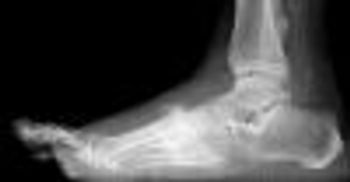
A pioneering surgical technique enables more than 90% of patients with Charcot foot to walk normally again by securing their bones to a device called a circular external fixator.
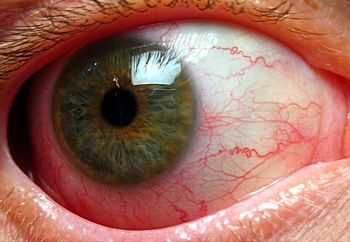
Found in grapes, blueberries, peanuts and other plants, resveratrol may help treat age-related macular degeneration, diabetic retinopathy, and retinopathy of prematurity by stopping angiogensis.

For each study measure, there was a graded increase in the risk of diabetes with increasing quantiles of adiposity. Participants in the highest category of adiposity had an approximately 2- to 6-fold increased risk compared with those in the lowest category.

The discovery could lead to new treatment options for this infection of the lungs, brain, and sinuses.
The pros and cons of using the hemoglobin A1C test to diagnose prediabetes and diabetes was the subject of a lively debate at the AACE Meeting.
I thought I lost a patient a few weeks ago. No, he didn't die, but after his office visit, I had the distinct impression that he might not come back. My job is to take care of my patients' health. But sometimes I'm just the messenger.