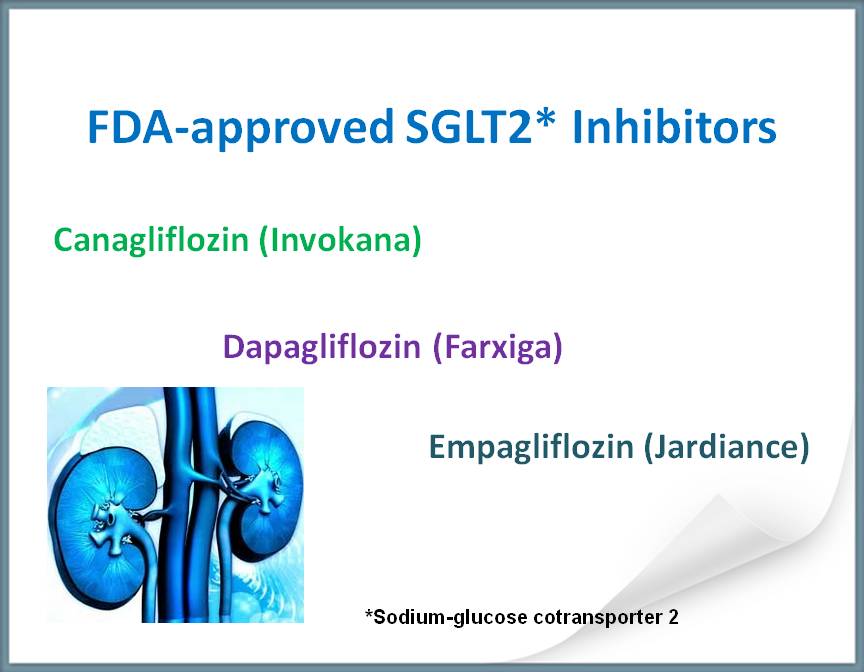






























































Agent Orange exposure several decades earlier may increase morbidity from various diseases, some of which have rarely been explored in previous epidemiologic studies.
Agent Orange exposure several decades earlier may increase morbidity from various diseases, some of which have rarely been explored in previous epidemiologic studies.
Disproven medical theories and practices can be slow to change, and nowhere is this truer than in the field of clinical nutrition.

Researchers at Wake Forest Baptist Medical Center have released a study showing the potential of a dangerous interaction between a common supplement and prescription medication.
A new pill could be the next tool in a patient's fight to lose weight, according to a recent study.
The brains of hyperglycemic patients with Type 1 diabetes produce elevated levels of the neurotransmitter glutamate, which may increase their risk of depression.
Researchers find that the ratio of total cholesterol to HDL is a significant predictor for CVD in type 1 diabetes patients who are not using lipid-lowering drugs, and that the ratio of total cholesterol to HDL is a more reliable marker for risk when considering primary prevention.
An A1C goal less stringent than 7% may be appropriate for some patients. In what patients might you make the goal 8%?

After studying an Amish population, researchers at the University of Maryland Medical Center have discovered a mutation in a fat-storage gene that increases a patient's risk for type 2 diabetes.
It is primarily the responsibility of parents, teachers, and health care professionals to be role models for the younger generation with respect to healthy eating and physical activity.
A 36-year-old pregnant woman at 27 weeks gestation presented to the obstetrical triage for evaluation of possible abscess due to a lesion on her buttock that first appeared 1 week ago. Since that time, it has become increasingly painful and itchy. Although she denies any systemic symptoms, her pregnancy is complicated by gestational diabetes and obesity. However, she is HIV negative and her other prenatal labs were unremarkable.

Do you recognize these symptomatic red patches and plaques? What underlying disorder does the condition imply?
Since nearly half of all Staphylococcus aureus infections harbor difficult-to-cure methicillin-resistant (MRSA) isolates, identifying MRSA risk factors could improve infection prevention and treatment, as well as reduce resistance patterns.
Research from Chile suggests that low levels of free testosterone - rather than high ones - indicate that an apparently low-risk case of prostate cancer will require treatment.
Incorporating aspects of the small particle diet into the recommendations for diabetic gastroparesis might be beneficial to patients.
Study results to be presented at the 2014 AAN annual meeting show asymptomatic carotid stenosis may also contribute to impaired memory, cognitive function, and decision making.
Several studies have shown good results with Roux-en-Y gastric bypass and laparoscopic gastric banding when combined with lifestyle modifications in severely overweight patients with type 2 diabetes.
A 57-year-old man presented to clinic with this persistent skin lesion on his thumb. Three months ago, he lanced the lesion, producing some purulence and blood. Since then, it has bled almost daily and has not healed. He was treated with silver nitrate by another clinician after one month, but the lesion persists. His past medical history is significant for diabetes and his family history is significant for 2 cousins with melanoma.
A study published in BMJ explains the long-term risks of opioid treatment in the postoperative setting.
Patients with diabetes often develop thiamine deficiency secondary to elevated blood sugar. This deficiency is so common that some experts have referred to it as an epidemic.
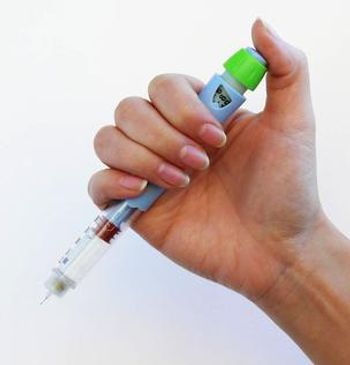
A once-weekly self-injection pen has been approved by the FDA to supplement diet and exercise for type 2 diabetes patients.
Similar to its effect in non-diabetic patients with low testosterone, sildenafil citrate correlates with improvements in testosterone levels and erectile function among hypogonadal men with type 2 diabetes mellitus.

A recent issue of the Journal of the American Medical Association includes a picture series that is a must-see for physicians who treat patients with diabetes.

Meta-analysis of clinical trial data on the use of antidepressants and anticonvulsants for the treatment of painful diabetic neuropathy indicates gabapentin is the most efficacious agent for this condition, while the side effects associated with amitriptyline make it the least tolerable treatment option evaluated in the study.
A review of the cardiovascular safety and potential benefits of incretin-based therapies for patients with type 2 diabetes mellitus.

Researchers estimate 43% of the roughly 3.1 million kidney stone episodes among US diabetics are related to type 2 diabetes mellitus (T2DM), while another 680,000 cases may result from poor glycemic control.